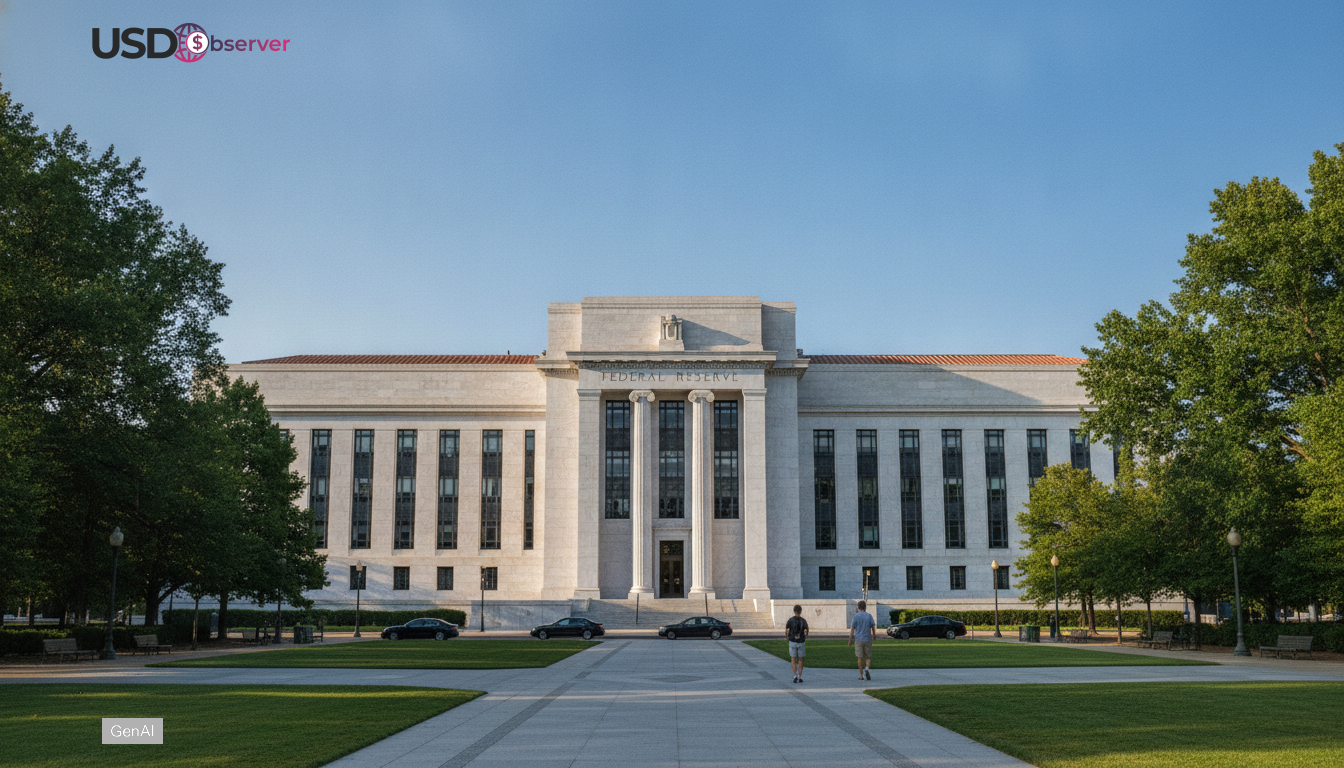
The U.S. dollar index has regained momentum as the Federal Reserve continues to signal that interest rates will remain elevated for longer than previously anticipated. Recent policy statements suggest that the Fed’s priority remains firmly on controlling inflation rather than prematurely easing monetary conditions. This stance has reinforced global demand for the dollar, lifting the DXY to multi-month highs and reshaping currency market expectations.
Traders are increasingly aligning with the Fed’s “higher for longer” narrative. Despite signs of softening in some sectors of the U.S. economy, persistent core inflation and a resilient labor market have led policymakers to maintain a cautious stance. As a result, U.S. Treasury yields have stayed elevated, further attracting foreign capital and tightening global dollar liquidity.
How the Fed’s policy stance strengthens the dollar
The relationship between interest rate policy and the dollar’s strength remains central to current market behavior. When the Federal Reserve keeps rates high, it effectively increases the return on U.S. assets relative to other economies. This dynamic pulls in global investors seeking yield, driving up demand for dollars and pushing the DXY higher.
Emerging market currencies have been among the hardest hit by this renewed dollar strength. Many countries face rising borrowing costs as their currencies weaken, forcing central banks to defend exchange rates or adjust policy. The ripple effect highlights how closely global liquidity is tied to U.S. monetary decisions, even as other economies pursue different inflation paths.
Goldman Sachs analysts recently noted that while global growth remains mixed, the U.S. continues to outperform its peers in output and employment. This relative resilience supports continued capital inflows into dollar-denominated assets. As a result, the DXY is benefiting from both real yield differentials and a perception of economic stability amid global uncertainty.
Dollar strength and shifting capital flows
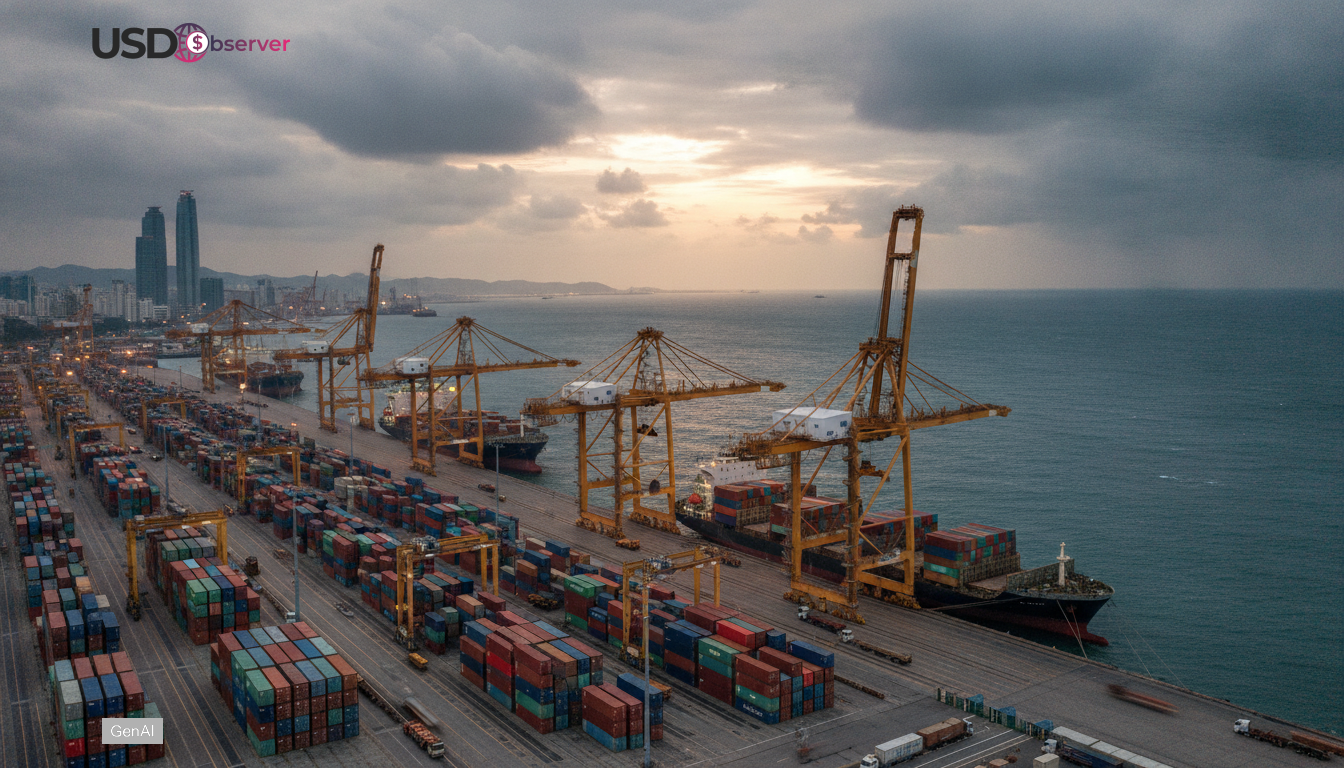
The stronger dollar is influencing everything from commodity pricing to portfolio allocations. As the greenback appreciates, commodities priced in dollars, such as oil and gold, become more expensive for holders of other currencies. This often dampens demand and exerts downward pressure on global trade volumes.
For institutional investors, dollar strength can trigger portfolio rebalancing. Many global funds hedge currency exposure or shift allocations toward U.S. equities and bonds to capture better returns. These adjustments reinforce the feedback loop: as more capital flows into U.S. markets, the dollar strengthens further, tightening global financial conditions.
Meanwhile, developing economies are experiencing the downside of this cycle. With debt obligations often denominated in dollars, a stronger greenback raises repayment burdens. Several nations have seen capital outflows as investors seek safety in U.S. assets, complicating efforts to maintain domestic liquidity. This underscores the enduring dominance of the dollar in shaping global financial conditions.
Fed outlook and market expectations
Market sentiment now suggests that rate cuts may arrive later than initially forecast. The Fed’s communications indicate that policymakers want clearer signs of disinflation before pivoting. Futures markets have scaled back expectations for easing, with most participants now projecting rate reductions toward mid-next year rather than early spring.
This adjustment has already filtered into bond markets, where yields remain near recent highs despite moderate declines in inflation readings. The yield curve, though still inverted, reflects growing confidence in the Fed’s ability to achieve a soft landing. That optimism, paradoxically, reinforces the dollar’s appeal, as investors view the U.S. as a safe and stable haven even amid tighter policy.
While the European Central Bank and Bank of England have signaled a potential pause or gradual easing, the divergence from the Fed’s hawkish tone keeps pressure on other currencies. The euro and yen, in particular, continue to lag, amplifying the DXY’s upward trajectory.
Global implications of a strong dollar
The impact of dollar strength extends beyond currency markets. For exporters in the U.S., a stronger greenback can dampen competitiveness abroad, reducing trade balances. However, for importers and consumers, it lowers the cost of foreign goods, providing a partial buffer against inflation.
For emerging economies, the consequences are more acute. Rising U.S. yields and stronger dollar valuations often translate into capital flight, depreciating local currencies, and tightening monetary conditions. Some countries have responded by boosting foreign exchange reserves or exploring alternative settlement systems to reduce dependence on the dollar.
The current environment has also sparked renewed discussion about diversification of global reserves. While the dollar remains dominant, the combination of digital currencies, regional trade pacts, and central bank diversification could eventually erode its supremacy. For now, however, the greenback’s strength underscores its unmatched role in global finance.
Conclusion
The Federal Reserve’s commitment to maintaining tight policy has reinforced the dollar’s dominance across global markets. Elevated yields, solid economic fundamentals, and investor confidence have pushed the DXY higher, tightening global liquidity and influencing capital flows worldwide. Until the Fed signals a clear pivot, the dollar’s strength is likely to persist.