The debate over a potential BRICS currency has re-emerged as member nations seek to reduce dependence on the U.S. dollar in trade and finance. While leaders from Brazil, Russia, India, China, and South Africa have highlighted the need for a multipolar financial order, the practical path to creating a shared currency remains fraught with challenges. For now, the initiative seems more a statement of intent than a near-term structural shift in the global monetary system.
The idea of de-dollarization has gained traction amid rising geopolitical tensions, sanctions, and calls for greater financial autonomy among emerging economies. Yet despite the rhetoric, the dollar remains deeply entrenched in global markets, underpinned by liquidity, trust, and institutional depth that no other system currently matches. The BRICS alliance faces the complex task of aligning diverse economic priorities, regulatory systems, and political interests to turn ambition into reality.
The Rise of the De-Dollarization Narrative
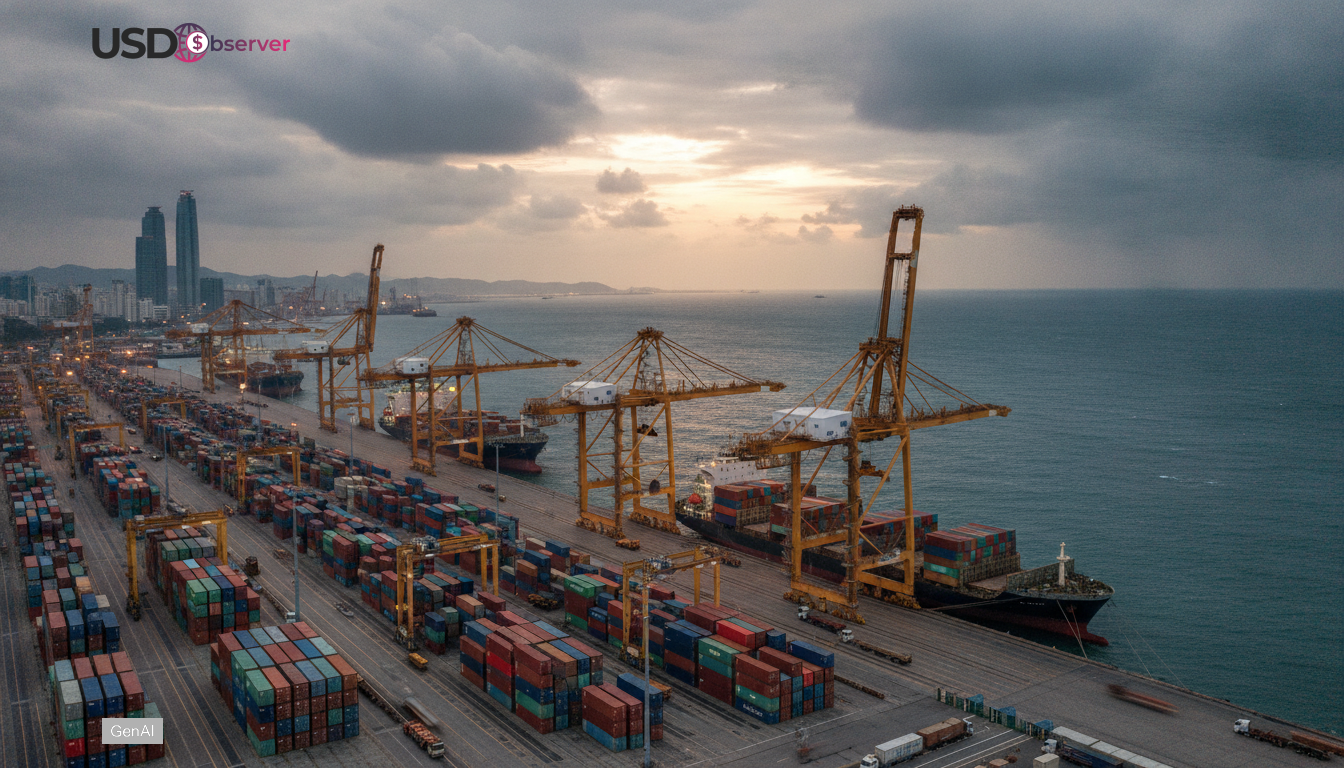
Over the past few years, the conversation around reducing dollar reliance has intensified. Several BRICS members have expanded local-currency trade settlements and bilateral swap arrangements, particularly between China and its trading partners. These steps aim to gradually diversify reserves and lessen exposure to U.S. sanctions.
However, the challenge lies in scale and coordination. BRICS economies have vastly different trade patterns, inflation levels, and currency regimes. China’s yuan dominates intra-BRICS settlements, but other members remain cautious about ceding too much influence to Beijing. India and Brazil, for instance, prefer greater autonomy and flexibility in monetary management rather than adopting a centralized model.
Analysts note that the creation of a joint reserve or digital settlement system could be a more practical starting point than a physical common currency. This could facilitate cross-border transactions without directly competing with the dollar’s global role in the near term.
Practical Barriers to a Unified BRICS Currency
Despite growing enthusiasm, the technical and political barriers remain significant. A shared BRICS currency would require deep financial integration, coordinated fiscal policies, and an independent monetary authority all of which are difficult to achieve among countries with divergent economic systems.
China’s economic scale, while central to the bloc’s trade structure, complicates the equation. Smaller members fear over-reliance on the yuan or Chinese financial infrastructure. Russia, meanwhile, faces its own isolation from global payment systems due to sanctions, limiting its ability to integrate fully. The absence of a unified capital market, legal framework, and shared macroeconomic goals further slows progress.
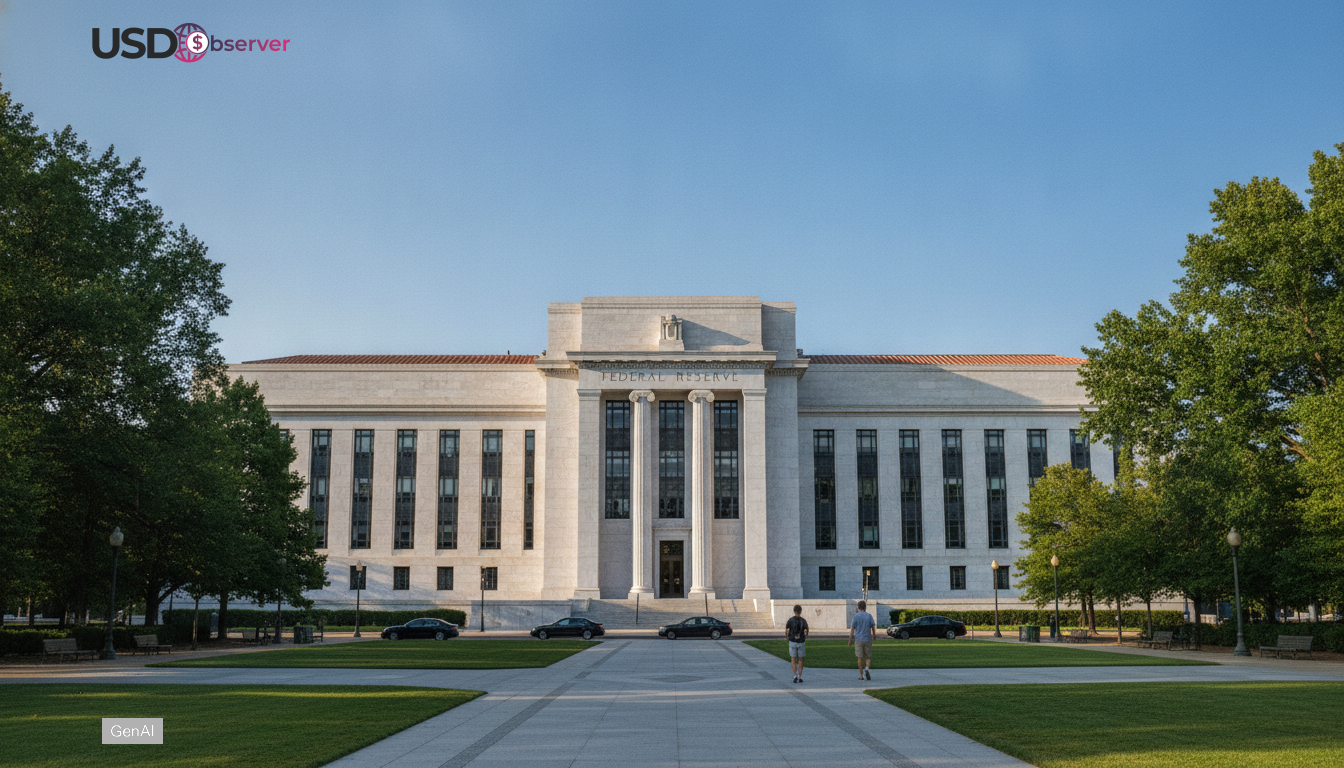
Moreover, investor confidence depends on predictability and institutional credibility. The dollar’s dominance is reinforced by open capital markets, transparent governance, and the Federal Reserve’s policy consistency. Replacing that trust will take more than political declarations it requires decades of stable monetary performance and financial depth.
The Dollar’s Enduring Advantages
The U.S. dollar remains the backbone of global trade, reserves, and debt markets. Around 60 percent of global reserves and nearly 80 percent of international transactions are dollar-denominated. These figures underscore how deeply embedded the dollar is in the global system. For investors, dollar-based assets offer stability, liquidity, and protection in times of uncertainty qualities not easily replicated by emerging-market alternatives.
Even if BRICS nations expand trade in local currencies, the dollar will likely continue to serve as the benchmark for pricing commodities, managing reserves, and settling international disputes. While diversification efforts may chip away at its share over time, the structural advantages of the dollar ensure that any transition will be gradual and limited in scope.
Symbolism and Strategy
The BRICS currency narrative serves a broader geopolitical purpose: signaling dissatisfaction with Western financial dominance and promoting south-south economic cooperation. It reflects an emerging world order where developing nations are asserting greater agency in shaping financial norms.
For now, this initiative functions as both a political message and a negotiation tool, pushing institutions like the IMF and World Bank to accommodate multipolar perspectives. If pursued strategically, BRICS de-dollarization could enhance monetary sovereignty without destabilizing existing global systems. But without institutional cohesion, it risks remaining symbolic a headline rather than a transformative policy.
Conclusion
The push for a BRICS currency represents ambition more than imminent change. While the bloc’s pursuit of financial independence is reshaping global discourse, the dollar’s structural dominance remains firmly intact. True de-dollarization would require decades of coordination, market trust, and institutional evolution. Until then, the BRICS project will stand as a symbol of aspiration in a world still anchored to the greenback’s stability.