The outlook for global growth heading into 2026 is increasingly shaped by one dominant force the strong U.S. dollar. As advanced economies stabilize and U.S. yields remain elevated, emerging markets face mounting pressure from a currency that both anchors global finance and amplifies existing vulnerabilities. While the International Monetary Fund’s projections point to moderate global growth, the dollar’s dominance threatens to widen the gap between developed and developing nations.
Emerging economies have become particularly exposed to tighter global liquidity and rising debt-servicing costs. Many of these countries borrow in dollars, meaning every uptick in the dollar’s value increases repayment burdens and reduces fiscal flexibility. With global capital flowing toward the U.S. in search of higher yields, financing gaps in emerging markets are widening. The result is a cycle where stronger U.S. performance paradoxically weakens much of the world’s financial resilience.
A Strong Dollar and Slower Global Recovery
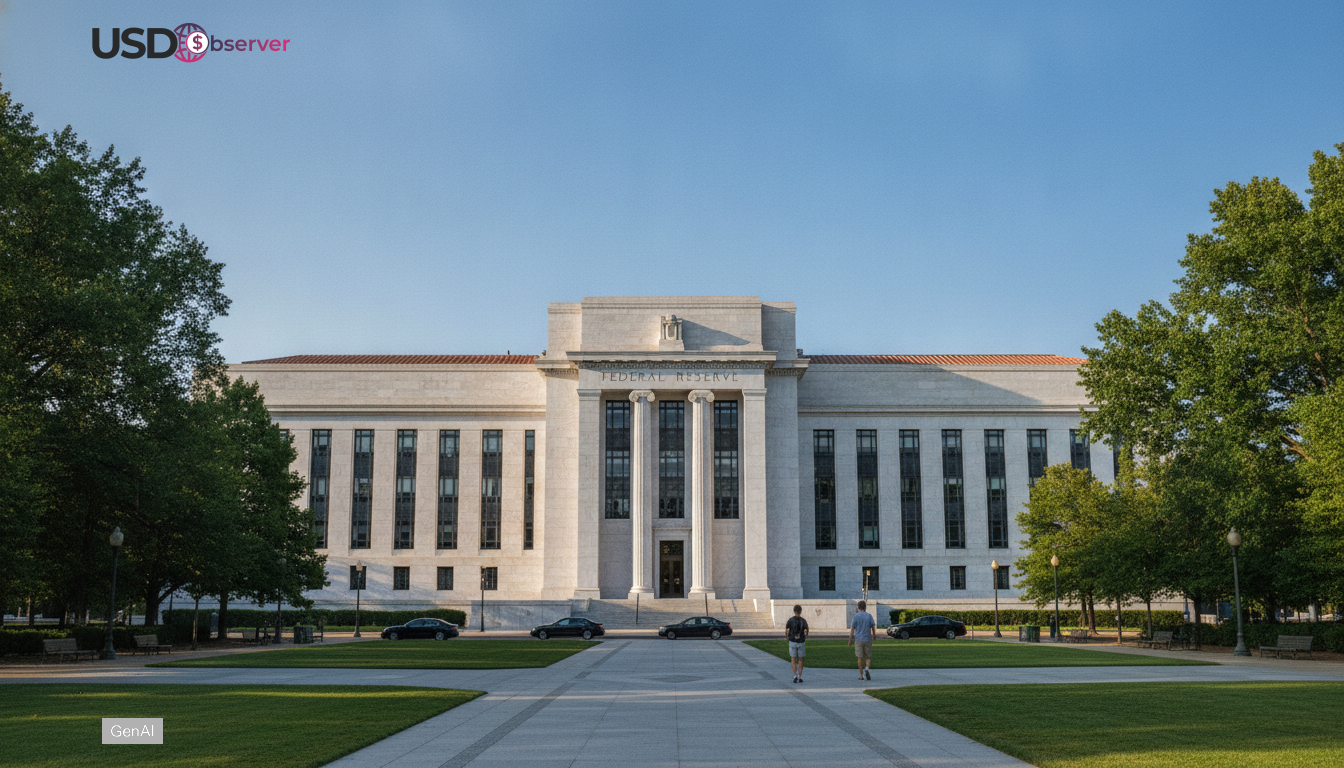
The dollar’s strength is rooted in a combination of sustained U.S. economic growth, cautious monetary easing, and geopolitical uncertainty driving safe-haven demand. As the Federal Reserve maintains higher interest rates compared to its peers, capital continues to flow into dollar assets, strengthening the currency. For emerging markets, however, this dynamic makes access to affordable financing more difficult.
The IMF’s 2025 World Economic Outlook projects global growth around 3.2% for 2026 steady but uneven. Advanced economies are expected to expand modestly, while developing regions face a slowdown driven by currency volatility, inflation, and tighter financial conditions. For low-income nations, the strong dollar compounds trade imbalances by making imports more expensive and reducing export competitiveness.
Capital Outflows and Inflation Pressures
The strong dollar has intensified capital outflows from emerging economies, particularly those with high external-debt exposure. As investors chase better yields in U.S. markets, local currencies weaken, forcing central banks to intervene with costly measures such as reserve drawdowns and interest-rate hikes. These defensive actions often dampen domestic demand, stalling growth.
Currency depreciation also feeds inflation through higher import costs, especially for fuel, food, and manufactured goods. In regions like Latin America, South Asia, and Sub-Saharan Africa, this inflationary pressure is eroding household purchasing power and pushing up living costs. Some countries have responded with targeted subsidies and tighter fiscal controls, but these measures strain already limited budgets.
For policymakers, the challenge is maintaining stability without undermining growth. Central banks are increasingly caught between supporting their currencies and preserving foreign reserves a dilemma that limits monetary flexibility.
Debt Risks and IMF Support
The combination of a strong dollar and higher global borrowing costs has pushed many developing nations toward debt distress. According to IMF estimates, more than half of low-income countries are now either in or near debt distress. The dollar’s dominance means these debts are harder to service, especially when domestic currencies continue to depreciate.
Several countries, including Egypt, Pakistan, and Ghana, have already sought IMF assistance to bridge short-term liquidity needs. These programs often come with strict fiscal targets and structural reforms aimed at improving debt sustainability. While such measures can help restore investor confidence, they also risk slowing recovery if implemented too aggressively.
The IMF and World Bank have urged coordinated global action to provide debt relief and financing flexibility. However, geopolitical fragmentation and differing policy priorities among major economies have made coordinated solutions more difficult to achieve.
Emerging Markets Search for Alternatives
As dollar liquidity tightens, emerging economies are exploring diversification strategies to reduce their vulnerability. Some nations are increasing local-currency trade settlements, while others are bolstering foreign-exchange reserves through gold and non-dollar assets. Regional financing arrangements, such as swap lines between Asian and Middle Eastern central banks, have also gained traction.
Despite these efforts, the global system remains heavily dollar-centric. The greenback still accounts for nearly 60% of global reserves and the majority of international trade invoicing. Until monetary conditions in the U.S. ease significantly, emerging markets will continue to face uphill challenges in securing affordable financing.
Conclusion
The strong dollar remains both a stabilizing force and a source of global imbalance. For emerging markets, its persistence signals higher borrowing costs, rising inflation, and slower growth into 2026. Policymakers must balance immediate stabilization needs with long-term reforms that enhance financial independence and resilience. As the world navigates the next phase of the cycle, the dollar’s dominance will continue to define the contours of global growth for better or for worse.