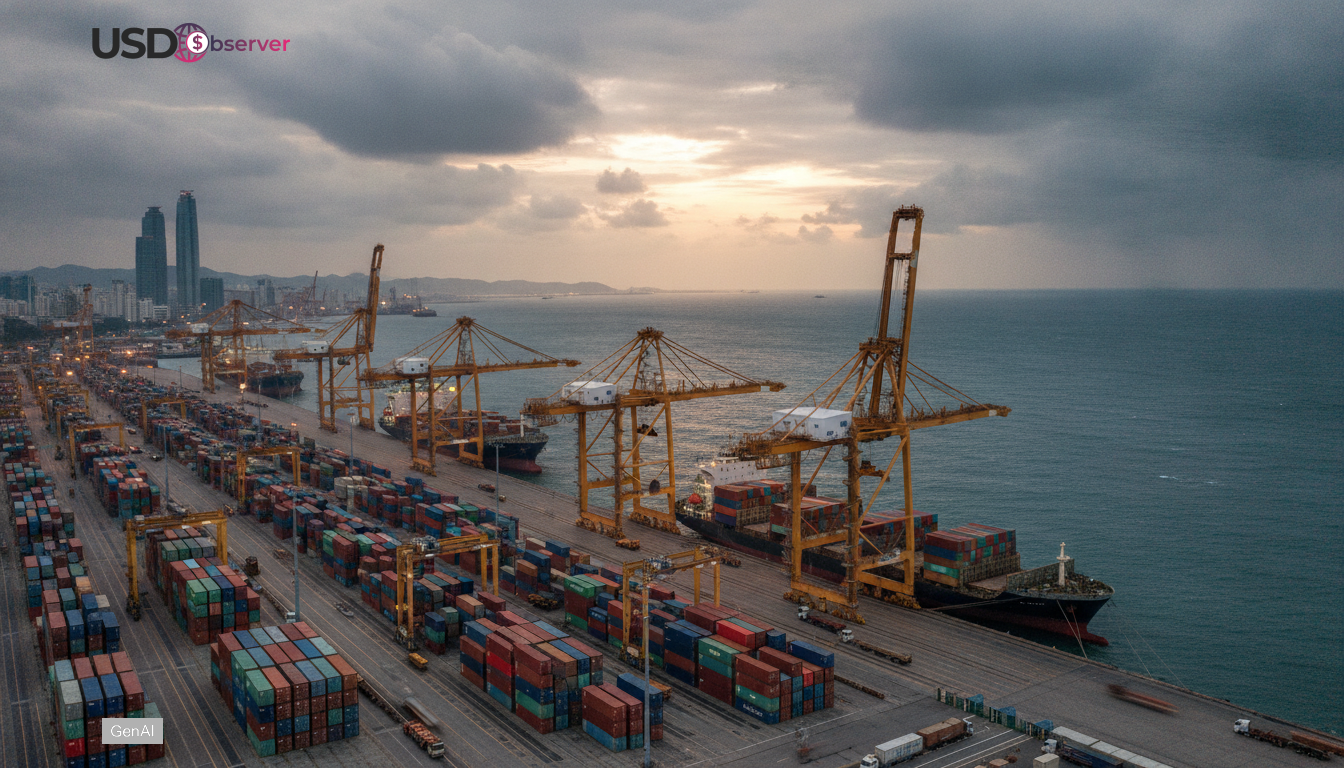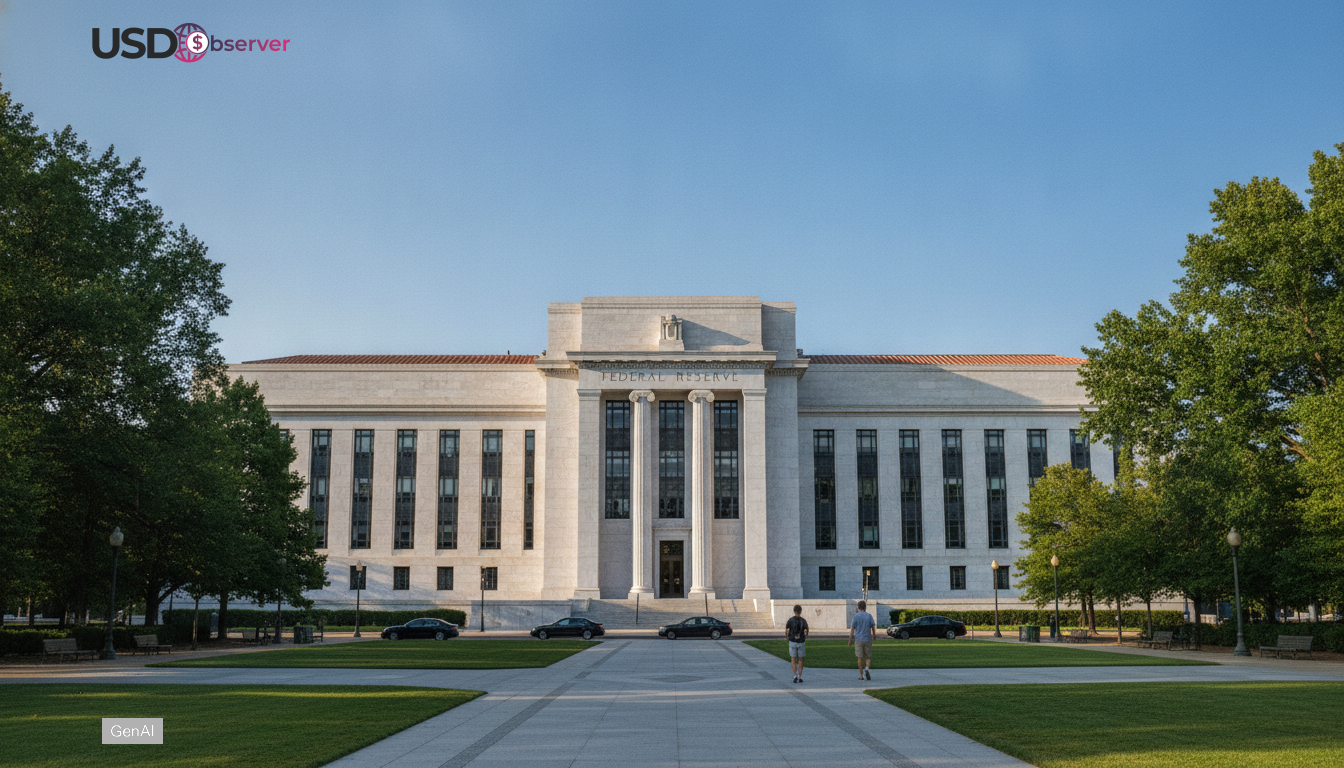
Two of the world’s largest economies are now moving through a critical juncture defined by financial strain. China is grappling with rising local government and corporate debt, while the United States faces a mounting federal deficit that continues to challenge fiscal discipline. These twin pressures, though distinct in origin, are converging to shape the global financial cycle in 2025. Their combined weight is influencing global capital flows, currency stability, and investor sentiment across both advanced and emerging markets.
The balance of global growth increasingly depends on how these two economies manage their debt burdens. For China, the concern centers on whether its domestic financial system can sustain growth without destabilizing leverage. For the United States, the issue is whether persistent fiscal deficits will begin to undermine investor confidence in its bond markets and, by extension, the dollar itself. Together, these developments have created an environment where debt sustainability has become one of the central questions for global stability.
China’s Debt Challenge Deepens
In China, debt pressures are now more visible than at any point since the global financial crisis. Local governments, already burdened by years of off-balance-sheet borrowing, face shrinking revenues from land sales and weak property markets. Many municipalities are struggling to meet obligations tied to infrastructure projects that were financed during the pandemic. The central government has responded with targeted bailouts and liquidity support through policy banks, but the underlying imbalance between growth and debt remains unresolved.
Corporate leverage has also surged. Many state-owned enterprises rely on continuous refinancing to manage short-term liabilities, while private firms face higher borrowing costs as credit conditions tighten. This dynamic has created what economists describe as a “soft constraint” system: debt can be rolled over, but repayment capacity is declining. As a result, China’s policymakers are caught between sustaining growth and containing financial risk. Efforts to stimulate the economy through new bond issuance may provide temporary relief but risk perpetuating the very problem they aim to solve.
Beijing’s Balancing Act: Growth vs. Stability
China’s leadership faces a difficult trade-off between stabilizing its property sector and maintaining broader economic momentum. While stimulus measures such as infrastructure spending and credit easing have provided modest support, they have not produced a durable recovery. Consumer sentiment remains fragile, and private investment is subdued. The central bank has cut policy rates several times, but capital outflows and a weaker yuan have limited its room to maneuver.
The risk is that prolonged debt accumulation could erode confidence in local government finances and weigh on financial institutions holding those exposures. Chinese regulators are now emphasizing fiscal discipline and seeking to consolidate local government debt through swaps and restructuring programs. However, these efforts take time, and market participants remain cautious about the overall health of China’s balance sheet. The IMF and other global bodies have urged China to pursue structural reforms rather than short-term stimulus to avoid long-term debt traps.
America’s Deficit Expands Despite Growth
Across the Pacific, the United States faces a different but equally consequential challenge. Despite solid economic growth and strong employment, the federal deficit has widened significantly. Large-scale spending on infrastructure, defense, and social programs has combined with higher interest payments on existing debt to push the annual shortfall above levels seen in previous decades. Rising yields on Treasury bonds reflect not only expectations for higher rates but also investor demands for compensation against long-term fiscal uncertainty.
The Congressional Budget Office projects that U.S. debt will exceed 130 percent of GDP within a decade if current policies continue. While the dollar’s reserve-currency status allows Washington to finance its deficit at relatively low risk, the cost of servicing this debt is rising. Interest payments are now among the fastest-growing components of federal spending. This trajectory poses challenges for monetary policy as well. If fiscal imbalances persist, the Federal Reserve could face limits on how aggressively it can tighten or ease policy without destabilizing government financing costs.
Global Markets Caught Between Two Debt Anchors
The interplay between China’s domestic debt and America’s fiscal deficit has become a defining feature of today’s global market dynamics. For investors, the result is a world of competing risks. On one side, China’s slowing growth raises questions about demand for commodities and global supply-chain resilience. On the other, America’s expanding deficit raises concerns about the long-term strength of the dollar and the sustainability of Treasury markets. Together, these forces contribute to volatility in bond yields, exchange rates, and capital flows.
Emerging markets are particularly sensitive to these shifts. When U.S. yields rise, capital tends to flow out of developing economies, tightening their financial conditions. At the same time, weaker growth in China dampens export demand for many of those same countries. The combination creates a feedback loop that affects global liquidity and economic momentum. This twin dynamic underscores how closely interconnected the two largest economies remain even when their policy choices diverge.
The Search for Balance and Credibility
Restoring stability will require policy credibility on both sides. In China, authorities must demonstrate that debt management measures are more than temporary fixes. Transparent fiscal data, restructured local government obligations, and reforms to the property sector could help rebuild market confidence. For the United States, a credible long-term fiscal strategy that restrains spending while maintaining investment in key growth areas would reassure investors and preserve the dollar’s stability.
The broader challenge is that neither economy can fully address its imbalances in isolation. The global financial system amplifies their actions through trade, investment, and capital markets. A misstep in either direction whether excessive fiscal tightening in the U.S. or uncontrolled credit expansion in China could have spillover effects across the entire global economy. Policymakers in both countries face the same test: how to sustain growth without allowing debt dynamics to spiral beyond control.
Conclusion
China’s debt and America’s deficit represent two sides of the same global coin. Both highlight the tension between short-term stimulus and long-term sustainability, and both carry implications that extend well beyond their borders. For investors and policymakers alike, the question is not whether these economies can handle their debt, but how they will adjust their growth models to make it manageable.
The outcome will determine the direction of capital flows, the health of emerging markets, and the stability of the global financial system for years to come. As the world’s twin anchors of economic power, China and the United States are now being tested on their ability to maintain balance in an increasingly fragile environment. The way they respond will define not only their own financial futures but also the broader rhythm of the global cycle.