Introduction
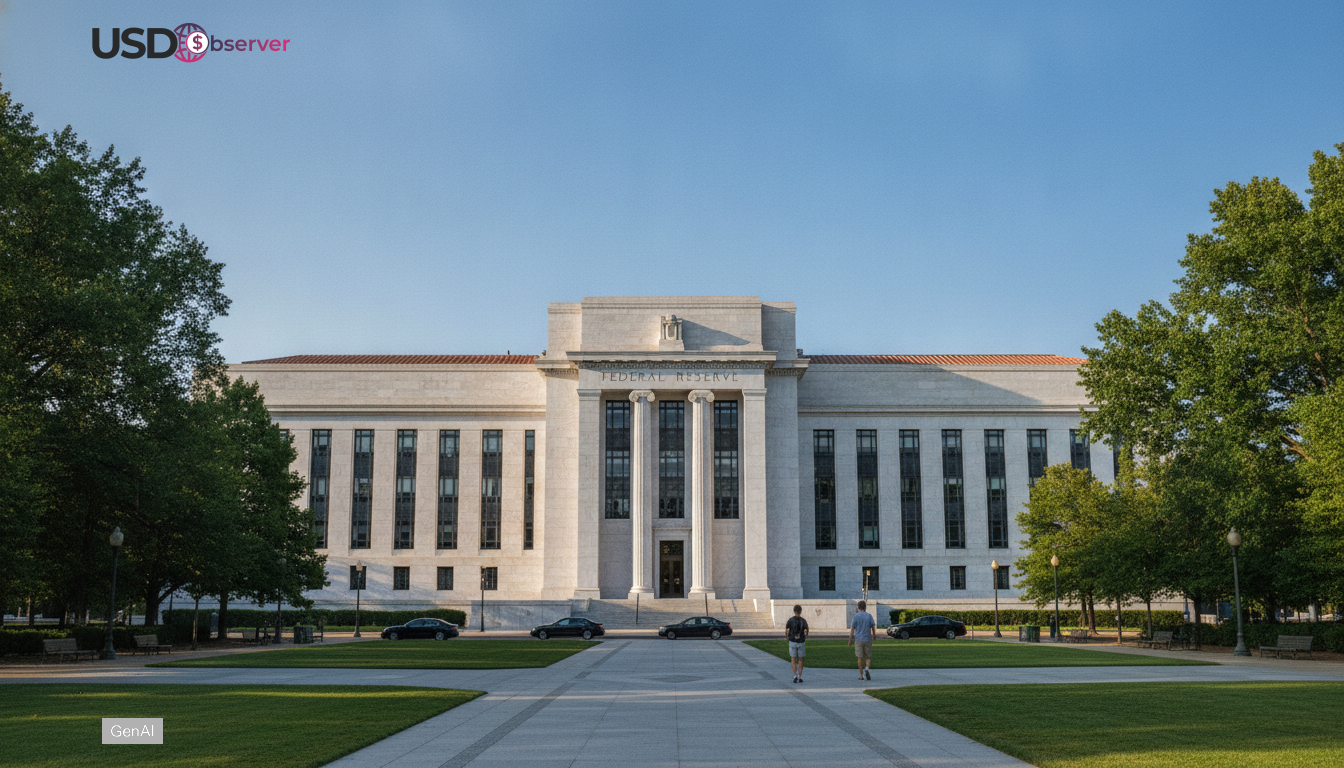
As the Federal Reserve shifts toward a more accommodative policy stance, the global economy is entering a potentially transformative phase. After a long stretch of high interest rates designed to control inflation, the U.S. central bank has begun signaling readiness to ease policy to support growth and prevent financial tightening from derailing recovery. This new direction has already caused the U.S. dollar to lose some strength against major currencies, raising important questions about how this might reshape the international economic landscape.
A weaker dollar historically provides significant relief to countries that rely on external financing, especially emerging markets with large amounts of dollar-denominated debt. It also tends to stimulate global trade by improving purchasing power abroad and making exports from other economies more competitive. For nations facing slowing growth, a softer dollar can ease inflationary pressures, lower borrowing costs, and encourage capital inflows. However, this dynamic also brings challenges: it can trigger asset bubbles, destabilize capital flows, and strain economies that are structurally dependent on dollar liquidity. Understanding these interactions is essential to assessing whether the coming period of Fed easing will genuinely bolster global growth or simply reallocate existing imbalances.
The Mechanics of a Weaker Dollar and Growth Channels
When the U.S. dollar declines in value, its effects are quickly transmitted across global trade and financial systems. For importers, the benefits are immediate. A weaker dollar makes goods priced in U.S. currency, such as oil, metals, and agricultural commodities, cheaper for foreign buyers. This price reduction helps ease inflation in importing nations and lowers production costs for manufacturers. As companies experience improved profit margins, they often expand output, which stimulates employment and household consumption.
Emerging economies, in particular, find relief in debt management when the dollar weakens. Many of these countries have borrowed heavily in U.S. currency, meaning that servicing those debts becomes cheaper when the local currency appreciates relative to the dollar. This reduction in financial strain frees up resources for investment in infrastructure, technology, and education sectors that support sustainable long-term growth. Additionally, governments can allocate more funds toward development programs rather than using reserves to stabilize their currencies. This ripple effect strengthens domestic demand and fosters confidence in the financial system.
Capital Flows and Global Investment Dynamics
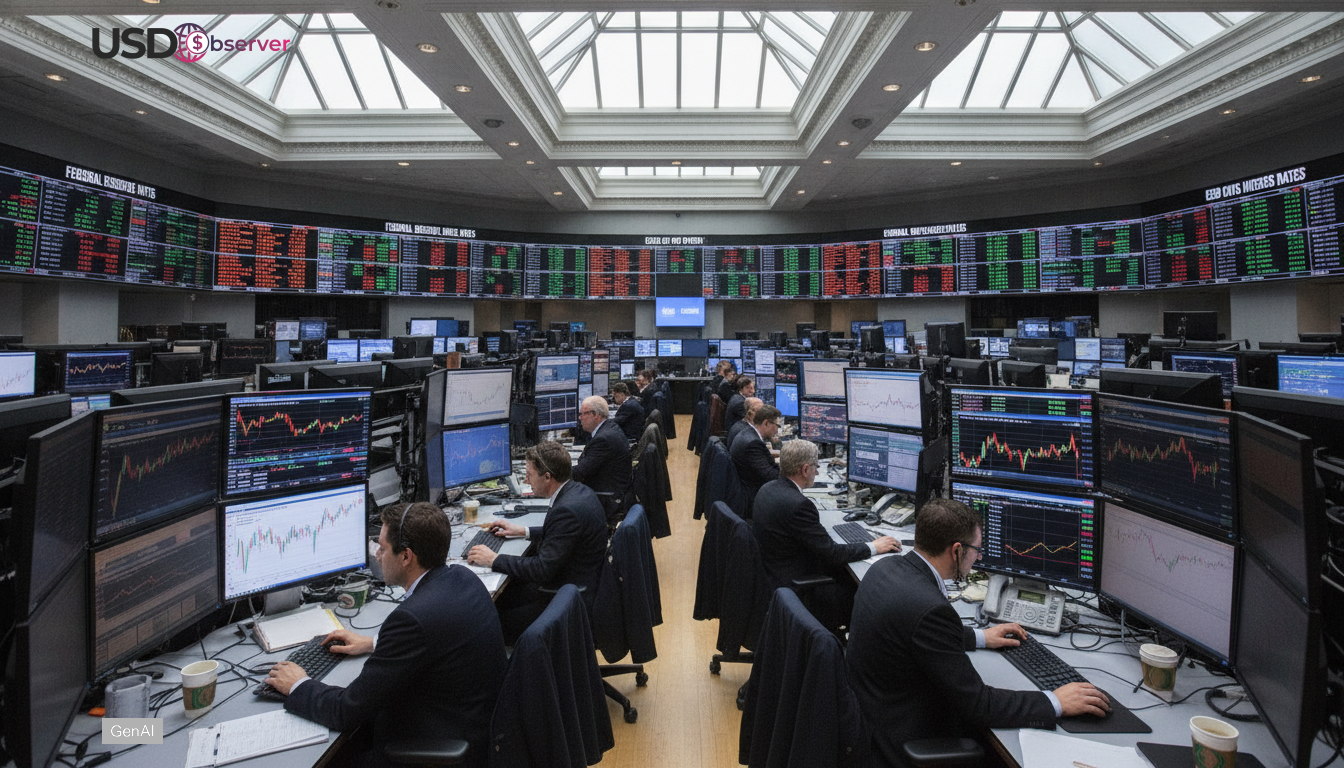
One of the most immediate consequences of Fed easing and dollar weakness is the reallocation of global capital. Investors seeking higher returns often redirect funds toward emerging markets and developing economies when U.S. yields decline. This influx of capital tends to boost stock markets, corporate bond issuance, and foreign direct investment. As borrowing costs fall and liquidity improves, local companies gain better access to financing for expansion and innovation.
For global investors, a weaker dollar also reduces the risk of currency losses when investing abroad, making international diversification more appealing. Portfolio inflows into Asia, Latin America, and Africa have already started to rise as markets anticipate a more favorable policy environment. These inflows help deepen domestic financial markets, improve liquidity conditions, and stimulate broader economic growth. However, the benefits are unevenly distributed. Countries with stable political systems and credible monetary policies tend to attract sustained investment, while those with weak governance or fiscal imbalances face more speculative inflows that can reverse quickly.
Trade Implications and Competitiveness
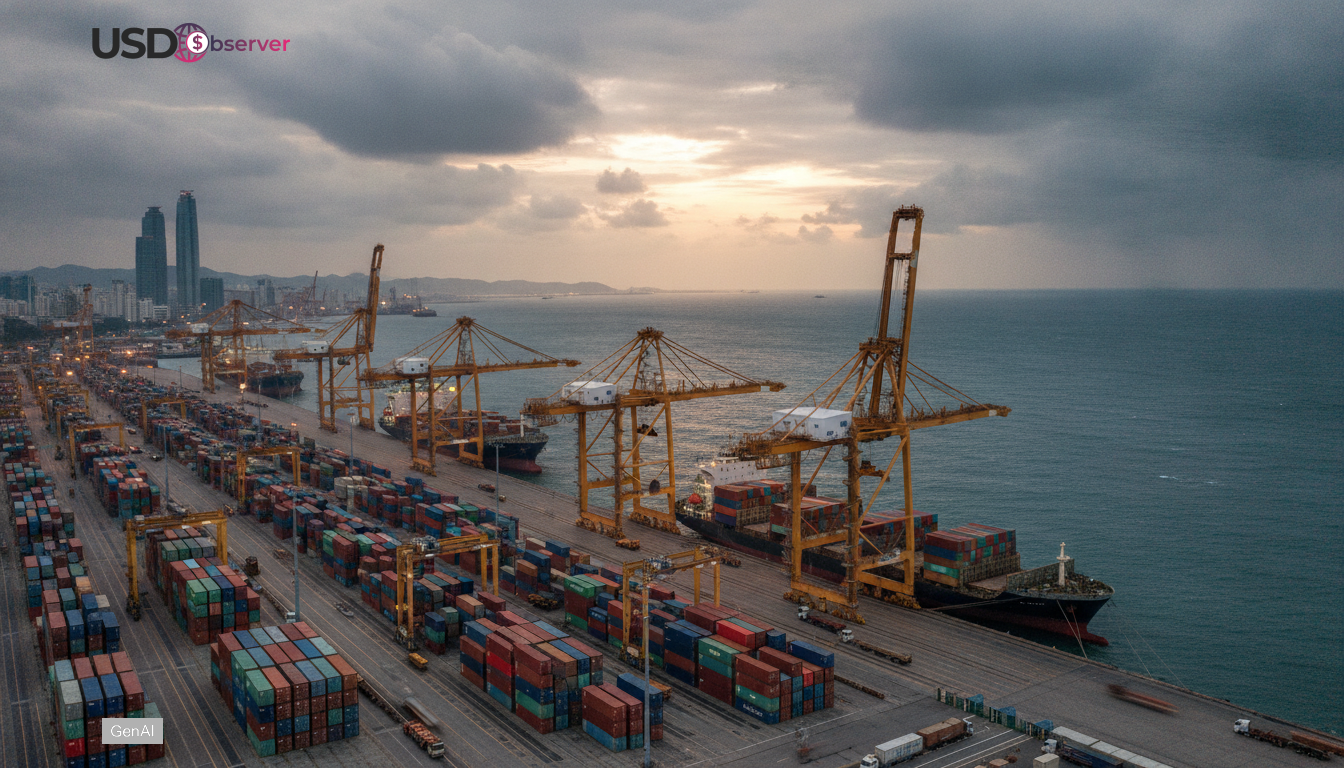
Trade dynamics are among the most important transmission channels through which a weaker dollar influences global growth. As the dollar declines, exports from the United States become more affordable, stimulating global trade activity. At the same time, other economies find their goods relatively more competitive in international markets. Asian exporters, particularly in South Korea, Vietnam, and Malaysia, have already seen stronger demand from U.S. and European buyers as the cost differential narrows.
A softer dollar also reduces the cost of global commodities, which benefits countries that depend on imported energy or raw materials. For instance, lower oil prices help energy-importing nations such as India, Japan, and many European economies curb inflation and maintain consumer spending. This dynamic not only supports domestic stability but also encourages renewed industrial activity and investment in infrastructure. By easing input costs and improving margins, a weaker dollar can thus catalyze both trade expansion and productivity gains across multiple sectors of the global economy.
Risks, Inflation, and Policy Trade-Offs
Despite its advantages, a weaker dollar carries potential downsides that policymakers must navigate carefully. One major concern is inflation. While cheaper imports can reduce short-term price pressures, renewed global demand and rising commodity consumption can quickly reverse that effect. As liquidity expands and asset prices climb, inflationary risks could resurface, forcing central banks in emerging and developed markets alike to consider tightening policy sooner than anticipated. This would dampen the growth benefits that a weaker dollar initially provides.
Another risk lies in capital flow volatility. History has shown that capital inflows to developing economies can reverse sharply when market sentiment changes. If the Federal Reserve slows or halts its easing cycle due to inflation concerns, investors could withdraw funds just as quickly as they arrived. Such reversals can trigger currency depreciation, liquidity shortages, and financial instability in vulnerable economies. In addition, persistent dollar weakness could reduce demand for U.S. assets, raising borrowing costs for the U.S. government over time and potentially leading to broader financial repercussions.
Outlook and Global Scenarios
If the Federal Reserve continues its easing path gradually and inflation remains contained, global growth could see a meaningful rebound over the next year. A softer dollar would stimulate trade, investment, and credit expansion across emerging markets, helping offset sluggish demand in advanced economies. Developing nations with strong institutional frameworks could leverage this period to strengthen reserves, reduce external vulnerabilities, and attract long-term investment. For commodity exporters, a renewed cycle of demand could further support fiscal revenues and balance of payments stability.
However, the outcome depends heavily on how both markets and policymakers respond. Should inflation in the United States prove stubborn or geopolitical tensions escalate, the Fed may be forced to slow its easing campaign. This could quickly strengthen the dollar again, tightening global liquidity and reversing the capital flows currently benefiting emerging markets. For now, most analysts expect a gradual decline in the dollar through the next several quarters, contingent on stable financial conditions and moderate global growth momentum.
Conclusion
The Federal Reserve’s pivot toward easier monetary policy and the resulting weakness in the U.S. dollar have the potential to reshape the global economic landscape. For many countries, especially in the developing world, this represents an opportunity to accelerate growth, ease debt burdens, and attract much-needed investment. Yet the advantages come with significant risks. Inflationary pressures, financial instability, and policy missteps could easily undermine the gains from a weaker dollar.
Ultimately, the success of this new phase will depend on balance and discipline. If central banks and governments use this period of financial relief to strengthen institutions, diversify economies, and build resilience, the global economy could enter a more stable and inclusive growth phase. But if complacency takes hold and fiscal prudence fades, the current optimism may prove fleeting. The world stands at an important juncture where a softer dollar could be the bridge to renewed prosperity or another cycle of volatility waiting to unfold.