Introduction
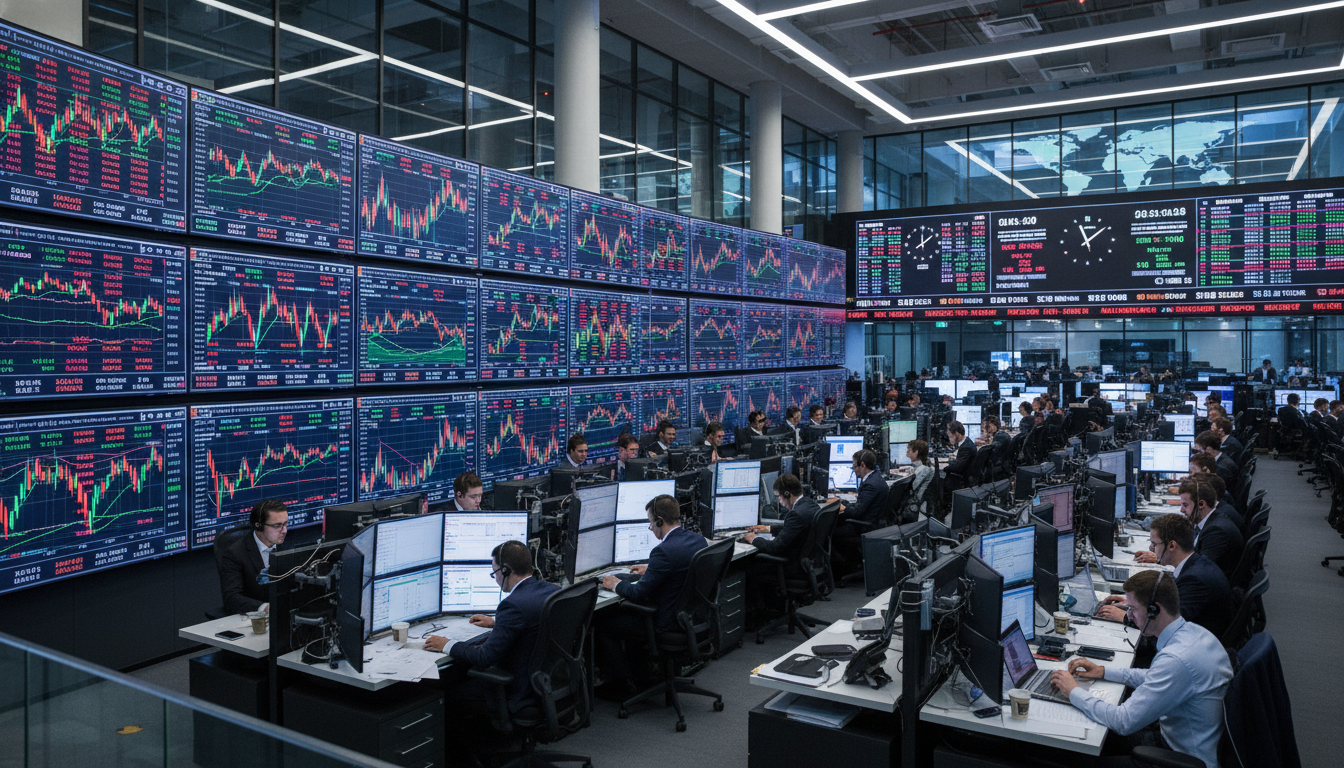
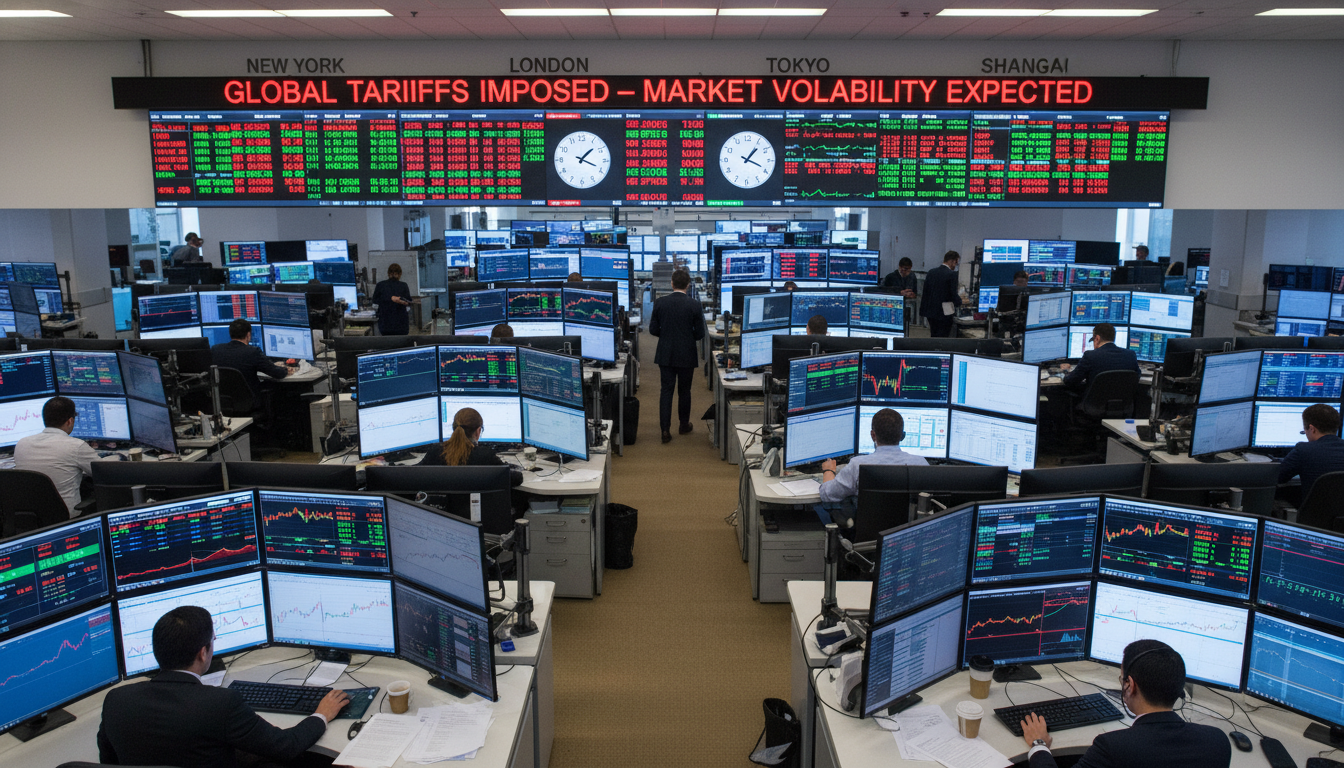
The use of artificial intelligence in foreign exchange markets has rapidly evolved from experimental models to practical financial applications. Leading institutions across the globe are now integrating advanced AI systems into trading desks and risk management platforms. These tools are designed to enhance accuracy in predicting currency movements, optimize hedging strategies, and reduce exposure to volatile market conditions. In recent months, several major banks have introduced pilot programs that combine algorithmic learning with macroeconomic data, marking a significant step toward the automation of currency forecasting. The shift reflects an industry-wide belief that AI can outperform traditional economic models in capturing complex market dynamics.
The timing of this transformation is critical. The U.S. dollar, after years of dominance, faces growing uncertainty as interest rate cycles peak and global trade relations remain unsettled. Predicting the dollar’s trajectory has become increasingly challenging for analysts who rely solely on historical trends or policy signals. This is where AI driven FX tools have begun to show their value. By processing millions of data points in real time, these systems identify patterns and correlations that human analysts often overlook. As financial institutions look for sharper insights in an environment of fluctuating yields and geopolitical risk, AI’s role in currency forecasting is expanding at an unprecedented pace.
How AI Models Are Being Applied to FX Forecasting
Artificial intelligence is transforming how traders and economists approach foreign exchange prediction. Traditional models depend heavily on macroeconomic indicators such as inflation, interest rates, and trade balances, which often lag behind market reactions. AI models, in contrast, ingest a wider array of variables including real time sentiment data, global news feeds, and cross asset correlations. Deep learning architectures like Long Short Term Memory networks have proven particularly effective in handling sequential data, allowing models to forecast short term movements by identifying recurring market patterns. These systems can adapt as new data becomes available, constantly refining their forecasts rather than relying on static historical relationships.
Financial institutions have begun to merge AI with classical econometric frameworks to enhance interpretability. These hybrid systems incorporate machine learning’s predictive strength with the structured reasoning of economic theory. For instance, they might combine interest rate differentials and macro indicators with sentiment analysis and trading volume data. The result is a more flexible approach that reacts swiftly to new information without losing sight of underlying fundamentals. Early trials from multinational banks have shown that these AI enhanced models can lower hedging costs, improve trade execution timing, and provide traders with scenario based forecasting tools that traditional systems could not deliver.
Strengths and Challenges of AI in Dollar Forecasting
The advantages of AI in FX forecasting are as much strategic as they are technical. First, AI tools can process massive quantities of data at speeds that no human team could achieve, detecting patterns invisible to traditional analysis. This capability is particularly valuable in volatile markets, where information changes minute by minute. Second, AI systems improve continuously as they learn from new market conditions, creating models that are self adapting rather than static. This adaptability makes them better suited to periods of regime change, when the relationships between variables shift rapidly due to policy adjustments or global events.
However, AI is not without its limitations. Many models are highly sensitive to the data they are trained on and can fail when confronted with unprecedented market shocks. For example, sudden geopolitical crises or unexpected monetary interventions can distort model predictions, leading to costly errors if not monitored closely. Another key challenge is interpretability. Traders and regulators alike often require transparency about how models reach their conclusions, yet deep learning systems can function as opaque black boxes. Furthermore, even the most advanced AI systems cannot eliminate transaction costs or market friction. In illiquid currency pairs, slippage and spreads may still erode the profitability of AI generated strategies, reminding market participants that technology is a powerful ally but not an infallible oracle.
Implications for the U.S. Dollar and Market Strategy
As AI becomes more prevalent in foreign exchange forecasting, its influence on dollar strategy is already being felt. When machine learning models detect early signs of a shift in dollar strength, institutional investors can adjust positions faster than ever before. This responsiveness can amplify short term volatility but also contributes to greater market efficiency as information is priced in more quickly. AI driven strategies are also enhancing hedging operations for corporations that deal with dollar exposure in international trade, allowing them to lock in more favorable rates while minimizing costs. For central banks and policymakers, the growing role of AI presents both an opportunity for better market insight and a challenge in understanding how these automated systems may affect capital flows.
At the same time, the widespread adoption of AI forecasting tools introduces systemic considerations. If multiple market participants rely on similar algorithms trained on overlapping datasets, their collective reactions could lead to synchronized trading behavior. This clustering effect increases the risk of sudden price swings when models align on the same signals. Regulators are beginning to study how algorithmic concentration could amplify stress during market shocks. For investors, the lesson is to balance the efficiency of AI with human oversight. Successful use of AI in currency forecasting depends not just on the sophistication of the model but on disciplined interpretation and sound judgment in applying its outputs to real world decisions.
Conclusion
The integration of AI into FX forecasting represents a defining shift in how financial institutions approach dollar prediction and risk management. The technology’s ability to process vast and diverse data sets allows it to uncover early warning signals that can inform better decisions. Its growing influence in trading rooms and corporate treasury departments signals a move toward a more data driven, adaptive approach to understanding currency behavior. The U.S. dollar, as the world’s benchmark currency, stands at the center of this transformation.
Yet AI’s rise also reminds the industry that technology complements human intelligence rather than replaces it. The future of dollar forecasting will depend on striking a balance between algorithmic precision and contextual reasoning. As the next generation of AI driven tools continues to mature, the institutions that succeed will be those that combine innovation with prudence. The dollar’s trajectory in this new landscape may not be determined solely by economic fundamentals but also by how effectively humans and machines learn to navigate the complexities of global finance together.