Introduction
Global markets are once again on edge as rising trade tensions between the United States and China create a climate of uncertainty that threatens to disrupt global supply chains and financial stability. On Thursday, the U.S. dollar slipped slightly against major currencies, with investors seeking shelter in safe-haven assets such as gold, the yen, and the Swiss franc. The euro also advanced, buoyed by improving investor sentiment in Europe and speculation that a more dovish Federal Reserve could weaken the dollar further in the weeks ahead.
At the same time, a broader and more structural concern is taking hold: the growing force of de-globalization. This trend, which has been accelerating since the pandemic and the Russia-Ukraine conflict, is now gaining further momentum as trade disputes and geopolitical fragmentation push economies to prioritize resilience over efficiency. What was once a deeply interconnected global system is showing signs of regional realignment, with companies, governments, and investors rethinking where they source, produce, and invest. The U.S.–China trade friction has become both a symptom and a catalyst of this larger transformation.
Trade Tensions and Supply Chain Stress
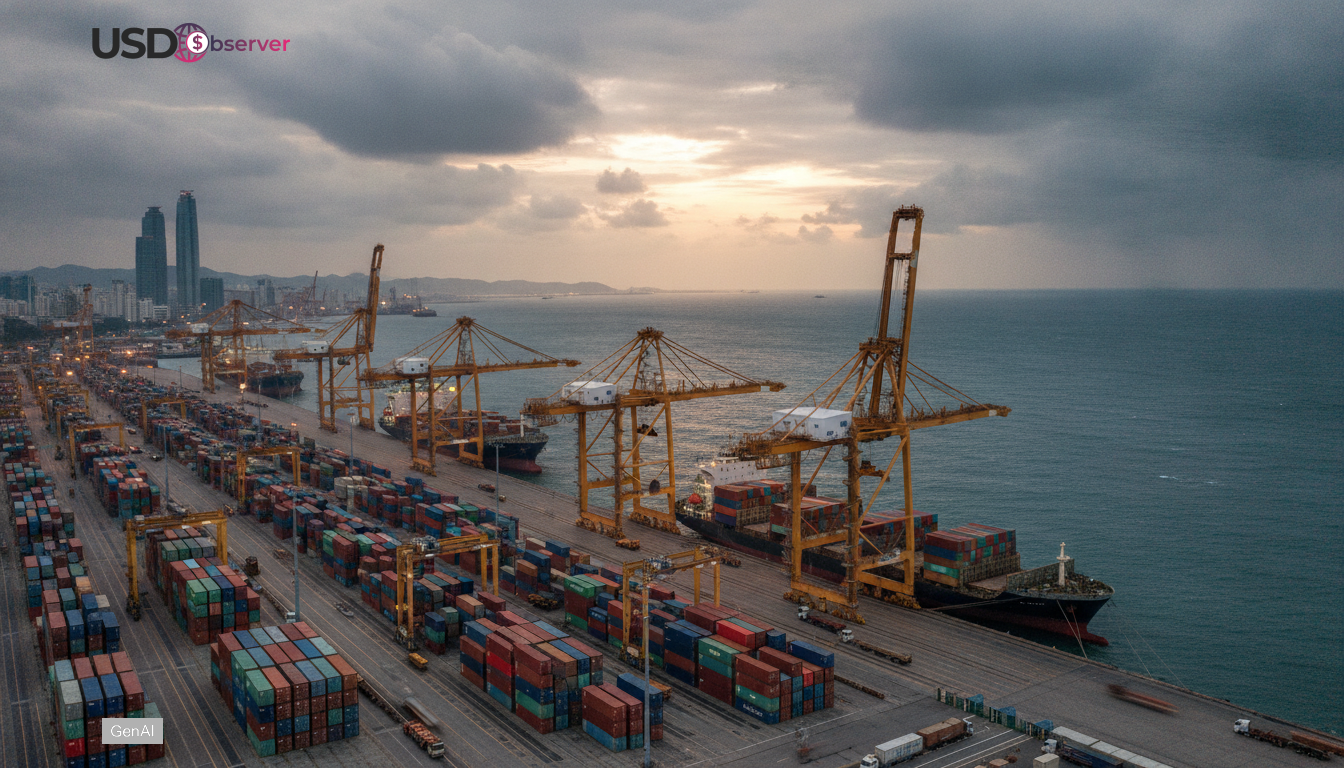
The immediate cause of renewed market anxiety lies in the latest round of policy moves between Washington and Beijing. The United States has strongly criticized China’s decision to expand export controls on key rare earth minerals, which are vital for advanced manufacturing industries such as defense, renewable energy, and electronics. Beijing defended the decision as a matter of national security and accused Washington of using economic coercion under the guise of fair trade. These exchanges have reignited fears of a broader trade war that could destabilize global production networks and raise costs across multiple sectors.
For corporations dependent on cross-border supply chains, the implications are serious. Rare earths are critical inputs for batteries, electric vehicles, and semiconductors, and any restrictions could choke production timelines for manufacturers worldwide. Companies are scrambling to find alternative suppliers in regions like Southeast Asia, India, and Latin America, but shifting away from established Chinese partners takes time and involves high transition costs. Economists warn that the short-term effects of such adjustments could be higher prices for key goods, potential shortages, and slower industrial output growth in both developed and emerging economies.
De Globalization Dynamics and Regional Realignment
Beyond the daily headlines, the U.S. China confrontation highlights a deeper structural shift that has been gathering pace for years: the gradual unwinding of hyper-globalization. Multinational corporations are increasingly diversifying their production bases to reduce vulnerability to geopolitical shocks, while governments are incentivizing domestic or regional manufacturing in strategic sectors like technology, energy, and agriculture. The result is a world economy that is becoming more regional and less global, with overlapping trade blocs and distinct spheres of economic influence emerging across North America, Europe, and Asia.
This realignment also has financial implications. Investors who once allocated capital based on global growth cycles are now taking a more segmented approach, weighing regional policy risk and supply chain resilience as key factors in portfolio construction. Fund flows have begun to reflect this change: investment into intra-Asia trade corridors and intra-European logistics has increased, while exposure to sectors highly dependent on China-U.S. trade has moderated. As global integration recedes, markets could face more frequent episodes of volatility as local disruptions ripple through smaller, less connected systems.
Market and Policy Implications
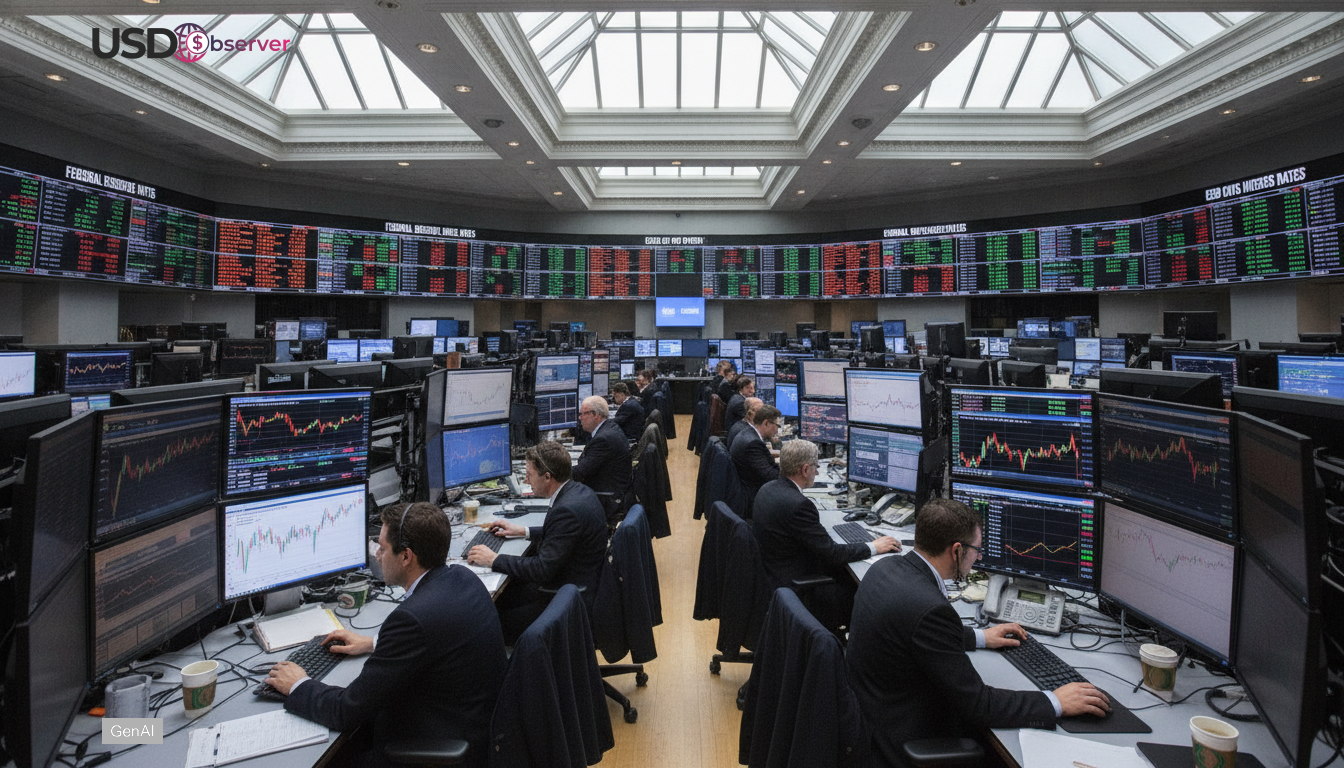
Currency and equity markets are reacting sharply to these developments. The dollar’s decline in recent sessions reflects a growing perception that the Federal Reserve may adopt a more cautious stance amid global uncertainty. While a weaker dollar often provides relief for emerging markets by easing debt burdens, persistent volatility in trade relations can still dampen risk appetite and lead to uneven capital flows. The euro’s recent gains and the yen’s strength illustrate how investors are gravitating toward currencies perceived as more stable when the world’s two largest economies are at odds.
From a policy standpoint, the re-emergence of trade friction places central banks and governments in a delicate position. Many are under pressure to shield their industries from external shocks through strategic subsidies, domestic investment programs, and diversified trade partnerships. The International Monetary Fund has warned that prolonged geopolitical fragmentation could lower global GDP by as much as 1.5 percent over the next decade, a significant drag on long-term growth potential. Policymakers now face the difficult task of supporting local resilience without fueling inflation or sparking retaliatory measures that could deepen the divide.
Corporate and Investor Adaptation
For corporations, the new trade environment demands a reassessment of risk and a recalibration of global operations. Many firms are accelerating “China-plus-one” strategies, building manufacturing capabilities in countries like Vietnam, Mexico, and Indonesia to reduce dependence on a single market. Others are increasing inventory buffers and renegotiating supply contracts to avoid the kind of bottlenecks seen during the pandemic. These adjustments, while costly in the short term, are becoming essential to maintain operational continuity in a world of unpredictable trade politics.
Investors are also adapting. Asset managers are prioritizing sectors and regions that demonstrate resilience to supply chain disruption, such as domestic infrastructure, logistics, and energy transition projects. In parallel, sovereign wealth funds and pension investors are seeking to hedge against trade volatility by diversifying currency exposure and increasing allocations to tangible assets like commodities and real estate. The shift in strategy reflects a broader recognition that the era of seamless globalization may be giving way to a more fragmented and cautious phase of international finance.
Conclusion
The renewed trade tensions between the United States and China are more than just a temporary diplomatic dispute. They represent a fundamental challenge to the way the global economy has operated for decades. The gradual retreat from globalization and the emergence of regional economic blocs could reshape global trade, investment, and monetary stability for years to come. Markets are beginning to price in this new reality, where uncertainty is the norm and resilience replaces efficiency as the guiding principle of global business.
While the immediate impact of current trade friction is visible in currency and commodity markets, the deeper consequences will unfold slowly as economies reorganize and policies adapt. In this new era, nations that can balance openness with stability will be better positioned to thrive. The coming decade will test how effectively countries and corporations can navigate the challenges of de-globalization while preserving the benefits of interconnected growth.