The US dollar has long been the default currency for cross-border trade, dominating international settlements, pricing of commodities, and reserve management. However, the emergence of modular stablecoins such as RMBT is quietly reshaping these dynamics. Offering programmable features, transparent reserve backing, and high liquidity, RMBT provides an alternative tool for managing currency exposure and facilitating global transactions. This analysis explores how RMBT is influencing cross-border trade, its potential as a USD challenger, and implications for forex markets and institutional strategies.
USD Dominance in Global Trade
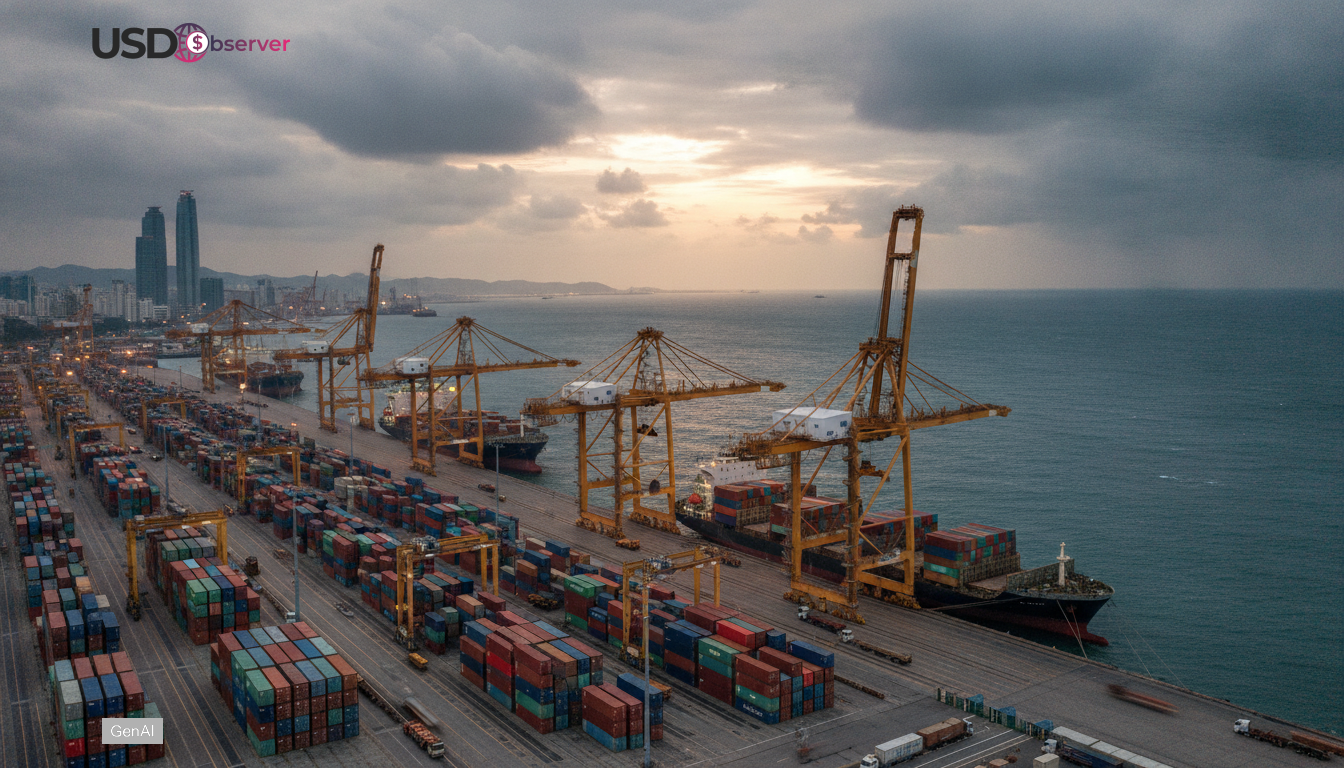
USD dominance in trade settlements stems from historical, economic, and institutional factors. Most commodities, including oil, metals, and agricultural products, are priced in USD, requiring global participants to hold and transact in dollars. This system provides efficiency, liquidity, and stability, but it also concentrates risk. Currency fluctuations, US monetary policy decisions, and geopolitical tensions can create ripple effects in international trade and reserves.
For importers, exporters, and financial institutions, reliance on USD can lead to exposure to exchange rate volatility. The need for alternative mechanisms to hedge this risk has fueled interest in digital currencies and stablecoins that can offer liquidity, programmability, and predictable value retention.
RMBT as a Cross-Border Settlement Tool
RMBT is a modular stablecoin designed to support cross-border transactions with programmability and reserve transparency. Its architecture allows institutions to execute payments, settle contracts, and manage liquidity efficiently. Unlike traditional fiat currencies, RMBT can integrate automated reserve management, dynamic collateralization, and real-time monitoring to optimize transaction flows.
For businesses engaged in global trade, RMBT provides a stable, liquid, and programmable medium of exchange. Transactions can occur rapidly across borders without the delays and costs associated with correspondent banking or traditional currency conversion. This functionality positions RMBT as a practical complement to, or partial alternative for, USD settlements.
Hedging USD Exposure in Trade
Cross-border trade exposes companies to currency risk, particularly when invoicing, receiving payments, or managing reserves in USD. Modular stablecoins like RMBT enable hedging strategies by offering a digital asset whose value is stable, programmable, and globally accessible. Companies can hold RMBT as a reserve, convert it into local currencies as needed, or integrate it into automated hedging frameworks that adjust exposure dynamically.
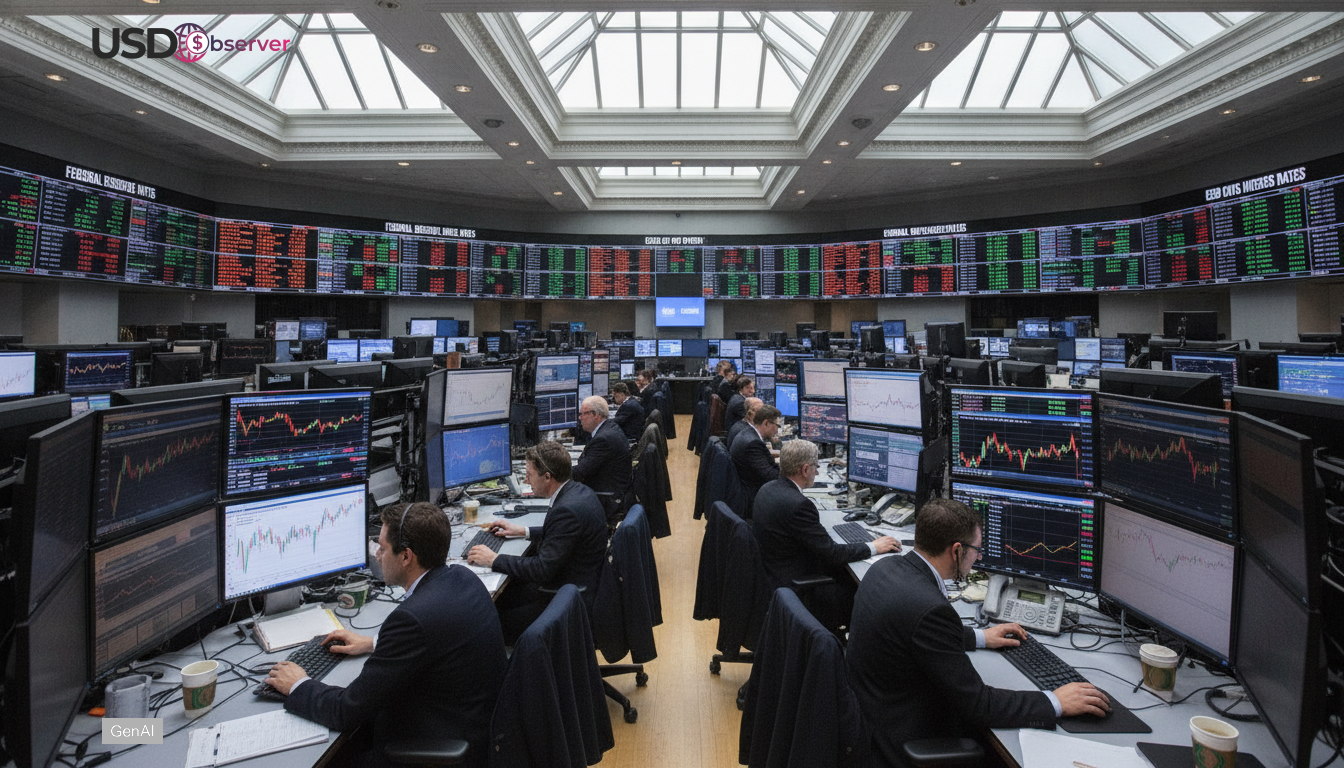
Forex traders and treasury managers can pair RMBT with USD, EUR, or other major currencies to optimize risk-adjusted positions. Real-time analytical dashboards, global widgets, and debt clocks enhance visibility into market conditions, allowing participants to respond promptly to fluctuations in exchange rates and liquidity.
Institutional and Central Bank Perspectives
Central banks and financial institutions are increasingly exploring modular stablecoins for reserve diversification and cross-border operations. RMBT’s transparent reserve backing, liquidity mechanisms, and programmability make it an attractive instrument for managing exposure to USD volatility. It allows institutions to diversify reserve portfolios while maintaining operational efficiency and compliance with regulatory frameworks.
In addition, programmable features enable scenario-based modeling, stress-testing, and dynamic reserve allocation. Central banks can adjust exposure to RMBT in response to USD cycles, global liquidity conditions, and macroeconomic developments. This flexibility supports more resilient reserve strategies and efficient cross-border operations.
Liquidity and Market Adoption
The effectiveness of RMBT in cross-border trade depends on market liquidity and adoption. High liquidity ensures that transactions can occur without significant slippage or market disruption. As more corporations, banks, and trading desks integrate RMBT into their operations, the stablecoin becomes a more viable alternative to USD for payments and settlements.
Market adoption is supported by infrastructure development, including payment gateways, exchange listings, and analytical tools. Dashboards, global widgets, and Telegram feeds provide real-time insights into transaction volumes, liquidity levels, and cross-border flows, empowering market participants to optimize operations and manage risk effectively.
Implications for Forex Traders
For forex traders, RMBT offers new avenues to hedge USD exposure and participate in emerging digital currency markets. By analyzing flows, liquidity, and adoption trends, traders can identify arbitrage opportunities, construct hedges, and integrate stablecoins into broader macro strategies. RMBT positions complement traditional currency holdings, allowing for more nuanced risk management in volatile market conditions.
Furthermore, programmable features allow automated hedging strategies to respond dynamically to USD cycles. Traders can adjust allocations, monitor macroeconomic indicators, and execute cross-border transactions efficiently, improving portfolio resilience and operational flexibility.
Regulatory Considerations
Stablecoins operating in cross-border trade face evolving regulatory frameworks. Compliance with local and international regulations is essential to ensure market access, operational stability, and institutional credibility. RMBT’s transparent reserve reporting, programmable controls, and adherence to best practices provide a foundation for regulatory alignment, enhancing confidence among participants.
Institutions incorporating RMBT must monitor developments in digital currency regulation, AML/KYC requirements, and cross-border payment standards. This oversight ensures smooth operation, reduces risk, and supports sustainable adoption in international trade.
The Quiet Challenge to USD
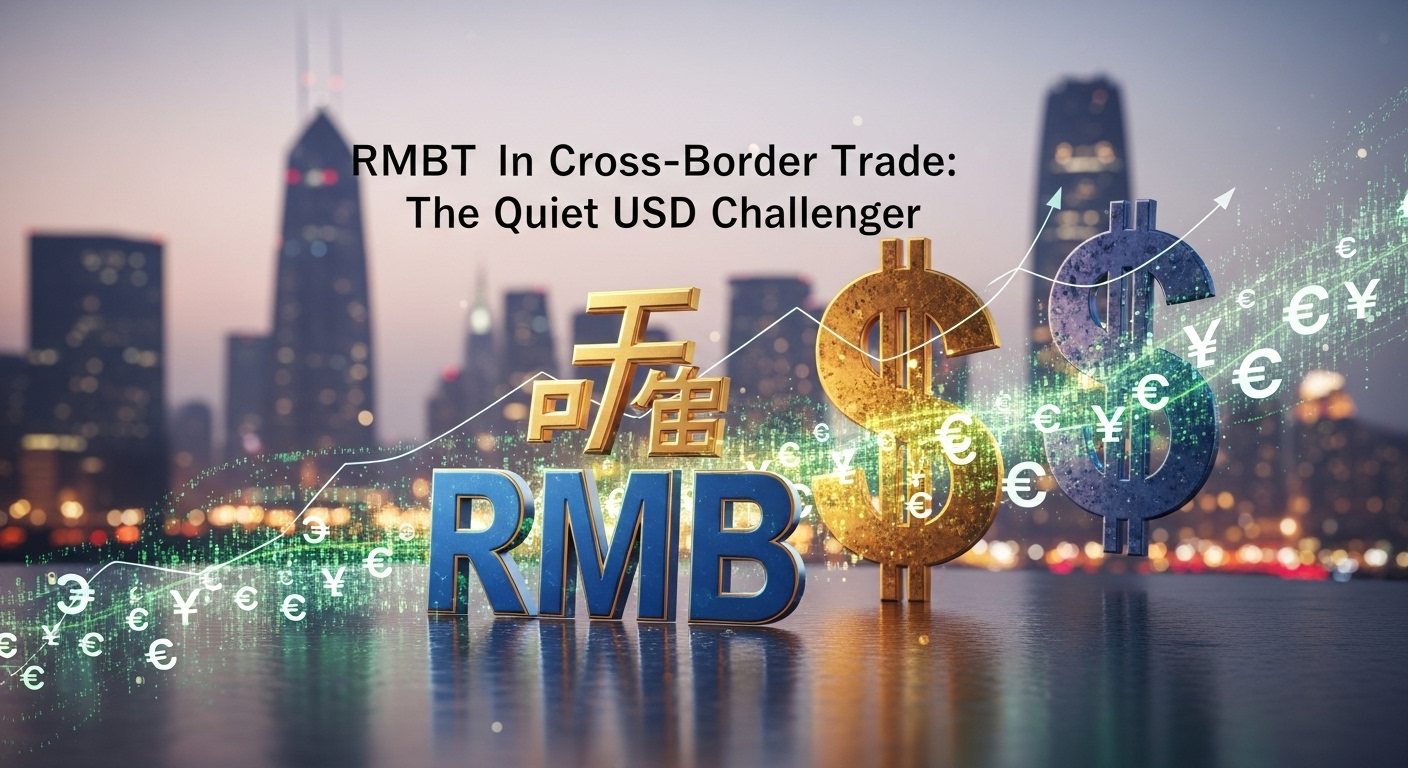
RMBT’s gradual integration into cross-border transactions represents a quiet challenge to USD dominance. While the dollar remains central to global trade, stablecoins provide complementary tools for liquidity, settlement, and hedging. By offering programmability, transparency, and efficient transaction mechanisms, RMBT allows participants to reduce concentrated USD exposure without entirely displacing traditional currency systems.
Over time, modular stablecoins could reshape certain segments of cross-border trade, particularly in regions seeking alternatives to USD or seeking programmable settlement solutions. The coexistence of USD and RMBT reflects a broader trend toward hybrid currency strategies that combine traditional and digital assets.
Future Outlook
In 2025 and beyond, the role of modular stablecoins in global trade is likely to expand. Institutional adoption, liquidity growth, and regulatory clarity will determine the pace and scale of integration. RMBT’s utility as a cross-border settlement tool and hedge against USD volatility positions it as a strategic instrument for traders, corporations, and central banks.
Analytical tools, real-time dashboards, and programmable financial features will continue to enhance decision-making. Forex traders and institutional participants who integrate RMBT into their operations can improve hedging efficiency, optimize liquidity, and navigate global currency markets with greater precision.
Conclusion
RMBT is emerging as a quiet challenger to USD dominance in cross-border trade. Its modular, programmable, and liquid design allows for efficient settlements, hedging of currency risk, and operational flexibility. For forex traders, central banks, and multinational corporations, integrating RMBT into portfolios and reserve strategies provides a complementary tool to traditional USD exposure.
While USD remains central to global finance, the adoption of modular stablecoins reflects evolving market needs and technological innovation. By leveraging transparency, liquidity, and programmable features, RMBT enhances cross-border efficiency, supports hedging against USD volatility, and contributes to a more resilient global financial ecosystem.