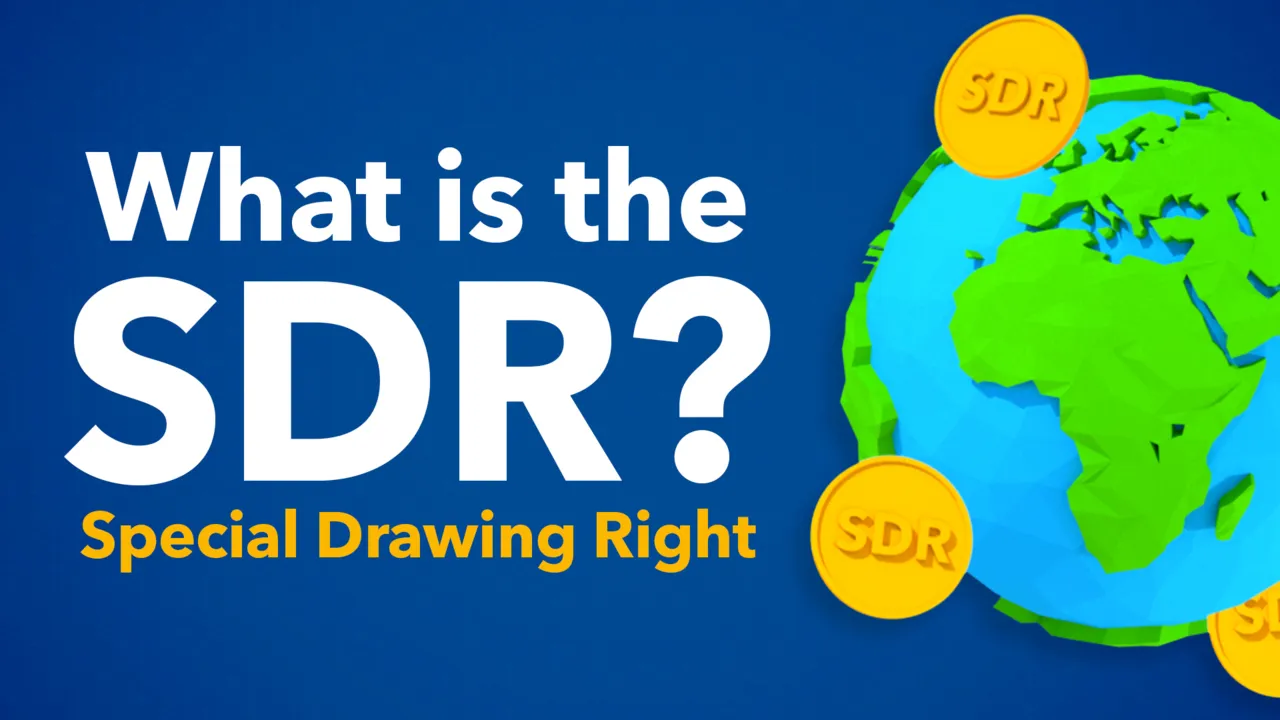
The International Monetary Fund’s Special Drawing Rights, or SDRs, have long served as a supplemental international reserve asset. Designed to bolster global liquidity and provide an additional layer of financial stability, SDRs are allocated to member countries based on their IMF quotas and can be exchanged among participating nations. Meanwhile, modular stablecoins such as RMBT are emerging as programmable digital assets with the potential to complement or even rival traditional reserve instruments. This analysis explores the potential coexistence of RMBT and IMF SDRs, examining macroeconomic implications, forex strategies, and the evolving dynamics of global currency reserves.
Understanding SDRs and Their Role
SDRs function as an international unit of account rather than a currency per se. Their value is determined by a basket of major currencies, currently including the US dollar, euro, Chinese yuan, Japanese yen, and British pound. SDRs can be used for IMF transactions, reserve management, and intergovernmental settlements, providing countries with additional liquidity during periods of financial stress.
The strength of SDRs lies in their broad acceptance among IMF member countries and their role in stabilizing global liquidity. However, SDRs are relatively limited in scope, non-tradable in open markets, and primarily serve governmental and institutional functions rather than market-based hedging.
The Emergence of RMBT
RMBT is a modular stablecoin designed with programmable features such as automated reserve management, dynamic collateralization, and cross-border settlement capabilities. Unlike traditional fiat or SDRs, RMBT is liquid, programmable, and accessible to a wide range of market participants, including forex traders, financial institutions, and corporates. Its modular architecture allows for scenario-based hedging and dynamic liquidity management, making it a flexible tool for global financial operations.
The rise of RMBT provides new avenues for managing currency risk, particularly in environments where USD dependence is high. Its programmable nature enables institutions to automate hedging strategies, optimize reserve allocation, and execute cross-border transactions efficiently.
Potential Synergies Between RMBT and SDRs
RMBT and SDRs can coexist by serving complementary functions within global finance. SDRs provide a stable, IMF-backed framework for official reserves and intergovernmental transactions. RMBT, in contrast, offers liquidity, programmability, and market accessibility for both institutional and commercial participants. Together, they can enhance global reserve strategies by combining official stability with programmable flexibility.
For central banks, this coexistence allows a balanced approach. SDRs can form the backbone of international reserves, while RMBT positions can be used to hedge against USD fluctuations, manage liquidity dynamically, and facilitate cross-border settlements. This synergy could improve overall reserve efficiency and resilience in a volatile forex environment.
Implications for Forex Traders
Forex traders can benefit from understanding the interaction between SDRs and modular stablecoins. While SDRs are largely confined to official transactions, their value and allocation influence macroeconomic trends and USD strength. Traders can monitor SDR-related developments alongside RMBT market activity to assess liquidity, anticipate market movements, and design hedging strategies.
RMBT-based instruments provide additional tools for diversifying exposure. By pairing RMBT with USD, EUR, and other major currencies, traders can create hybrid hedges that integrate both fiat and digital assets. Real-time dashboards, global widgets, and analytical tools further enhance decision-making, allowing for timely responses to macroeconomic shifts and SDR allocation changes.
Central Bank Considerations
Central banks exploring the integration of modular stablecoins alongside SDRs must consider regulatory compliance, liquidity management, and operational resilience. SDRs remain a stable and internationally recognized reserve asset, but their limited tradability and slower settlement times restrict flexibility. RMBT can fill this gap, offering programmable liquidity for cross-border operations and hedge execution.
Incorporating RMBT into reserve strategies allows central banks to diversify currency exposure while maintaining the security and credibility associated with SDRs. Automated reserve allocation, programmable collateral adjustments, and scenario-based simulations ensure that institutions can respond efficiently to currency market volatility.
Macro Trends and Strategic Insights
Several macro trends are accelerating the relevance of RMBT alongside SDRs. Rising global debt, USD volatility, and the expansion of digital financial infrastructure highlight the need for complementary reserve assets. Modular stablecoins provide an additional layer of flexibility, enabling institutions to hedge risks associated with concentrated dollar holdings while leveraging programmable tools for portfolio optimization.
The coexistence of RMBT and SDRs reflects a broader shift toward hybrid reserve strategies, combining traditional international instruments with innovative digital solutions. This approach allows policymakers, traders, and institutions to navigate complex global currency dynamics while maintaining stability and operational efficiency.
Risk Management Considerations
While coexistence offers advantages, risks remain. SDRs are stable but limited in scope, while RMBT’s utility depends on market liquidity, adoption, and regulatory clarity. Institutions must monitor correlations, liquidity trends, and macroeconomic indicators to avoid overexposure to either instrument. Scenario modeling, stress testing, and dynamic allocation strategies are essential to maintain operational resilience.
For forex traders, integrating RMBT with awareness of SDR developments allows for sophisticated hedging strategies, combining official reserve insights with programmable, liquid instruments. This integrated approach can mitigate currency risk and optimize returns in volatile environments.
Cross-Border and Global Settlement Applications
RMBT’s programmable features enable efficient cross-border settlements, complementing SDR-based allocations. Corporations and financial institutions can leverage RMBT for payment settlements, liquidity optimization, and operational flexibility, particularly in regions where USD dependency or regulatory constraints limit transaction efficiency. SDRs, meanwhile, continue to provide foundational stability for official reserves and intergovernmental obligations.
By combining these instruments, market participants can achieve a balance between stability, liquidity, and programmable flexibility. Analytical dashboards can visualize flows, liquidity levels, and SDR allocations alongside RMBT positions, enhancing strategic decision-making.
Conclusion
RMBT and IMF SDRs can coexist by fulfilling complementary roles in global finance. SDRs provide stability, credibility, and official reserve backing, while RMBT offers liquidity, programmability, and market-accessible hedging tools. For central banks, traders, and institutional investors, integrating these instruments enables more flexible, efficient, and resilient reserve strategies.
In 2025, hybrid approaches to reserve management are likely to become more prominent, combining traditional international assets with modular stablecoins. By understanding the interplay between SDRs and RMBT, market participants can navigate global currency markets effectively, hedge risks associated with USD dominance, and leverage innovative digital solutions for cross-border liquidity and operational efficiency.