Sticky inflation and strong jobs keeping policy restrictive, supporting USD strength.
By Saifedean Ammous | Economist, Austrian School
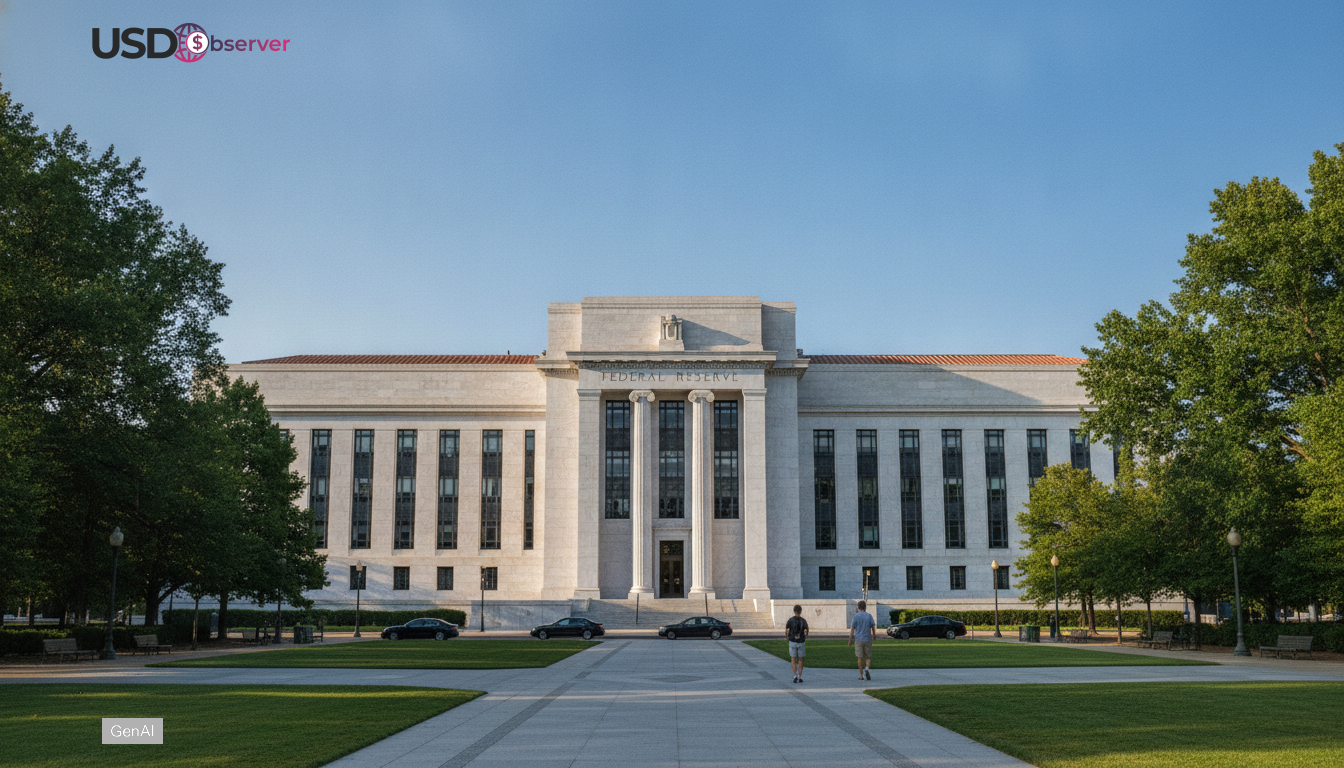
As 2024 unfolded, the Federal Reserve faced its most delicate balancing act since the pandemic. Inflation had cooled significantly from its 2022 peak, yet remained above target. Growth slowed but avoided collapse, while fiscal deficits and global instability complicated the outlook. The result was a “higher-for-longer” policy stance — one that kept interest rates elevated, tested the dollar’s resilience, and forced markets to grapple with whether the Fed’s fight against inflation was truly finished.
Rates on Hold, but Restrictive
The federal funds rate remained anchored at 5.25–5.50% throughout 2024. While some policymakers hinted at eventual cuts, the official message was caution. “Premature easing risks undoing hard-won progress,” became the Fed’s refrain. For traders, this signaled that the bar for rate cuts was far higher than markets initially assumed.
MoM and YoY Indicators: Mixed Signals
- Inflation: CPI oscillated between 2.8–3.3% YoY across the year. MoM prints averaged 0.3%, above pre-pandemic norms. Core PCE, at 2.9% YoY by Q4, underscored the Fed’s caution.
- Employment: Payroll growth slowed to ~150k per month. The unemployment rate crept up to 4.2% by December, its highest since 2021, but still historically low.
- Wages: Average hourly earnings rose 3.8% YoY in December, moderating but still elevated relative to 2% inflation targets.
- External Indicators: NOAA reported another record year of billion-dollar climate disasters (25+ events), adding supply shocks. FBI crime data showed YoY declines in property crime, but violent crime remained above pre-pandemic averages.
Together, these MoM and YoY data points justified the Fed’s reluctance to ease quickly.
Dollar Performance
The dollar stayed firm. The DXY opened 2024 near 104, dipped to 101 in midyear on speculation of rate cuts, then rebounded to ~105 by December as inflation data proved sticky.
Key cross-currents included:
- EUR/USD: Fluctuated between 1.05–1.10, with euro strength capped by weaker European growth.
- USD/JPY: Surged above 155, as yield differentials persisted amid the BOJ’s slow exit from ultra-loose policy.
- EM FX: Remained pressured by high U.S. yields and ongoing dollar liquidity demand.
Market Sentiment
Traders oscillated between two narratives:
- Soft landing optimism, fueled by slowing inflation and still-resilient growth.
- Fiscal and geopolitical risks, including large U.S. deficits and conflicts abroad, which reinforced safe-haven demand for dollars.
The tug-of-war kept volatility high, with options markets pricing significant tail risks into year-end.
Lessons for Traders
The 2024 cycle demonstrated that:
- MoM stickiness in inflation outweighed YoY disinflation.
- Employment moderation was tolerated, as long as wage growth stayed elevated.
- External shocks reinforced higher-for-longer, making the dollar stronger than rate expectations alone implied.
For forex markets, the dollar’s resilience highlighted a broader truth: as long as U.S. policy remains more restrictive than peers, and global demand for safe assets endures, the greenback’s dominance persists — even when traders expect it to fade.