Despite political talk of de-dollarization, households and businesses in EM economies are doubling down on the greenback as their trusted store of value.
By Fabian Schär | Professor of Finance, University of Basel
Introduction
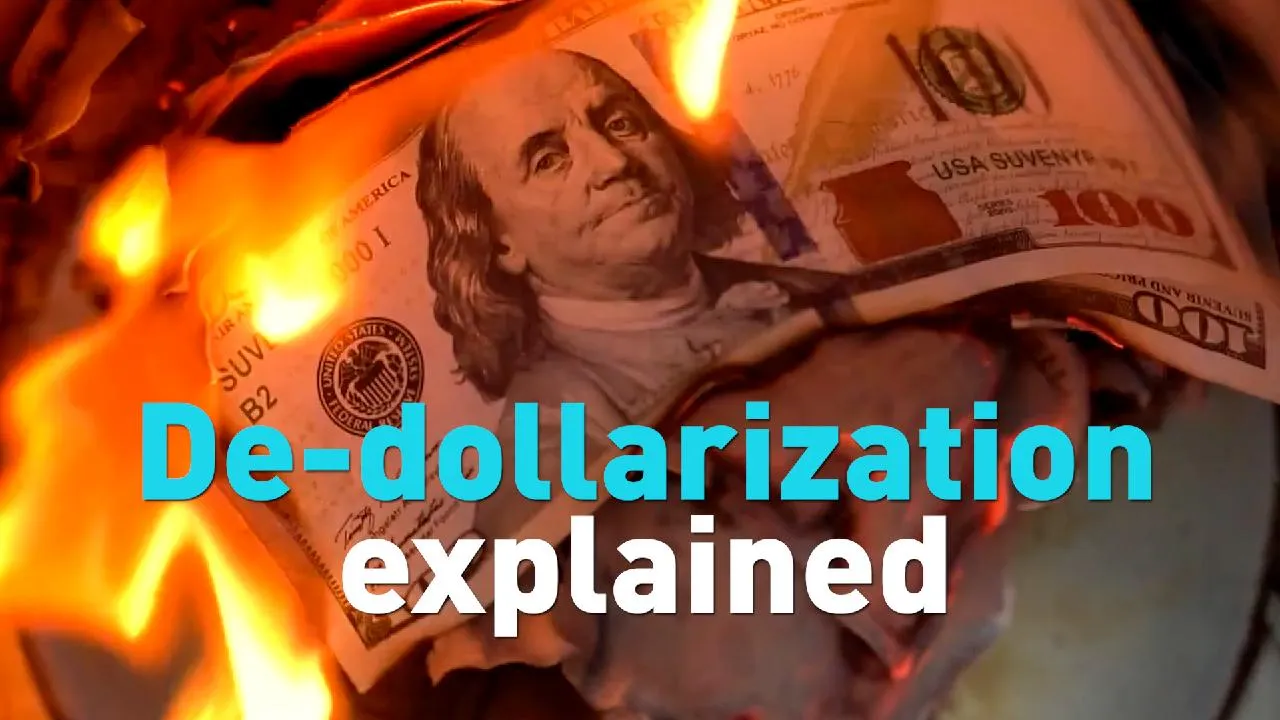
For decades, economists have debated whether emerging markets could escape reliance on the U.S. dollar. From Argentina’s repeated crises to Nigeria’s FX shortages, governments have tried capital controls, local-currency bonds, and even digital currency pilots to break free. Yet the reality is stark: dollarization is accelerating, not retreating. In Latin America, households hoard dollars as protection against inflation. In Africa, companies settle trade invoices in USD even when both sides are non-U.S. counterparties. In Asia, central banks still hold the bulk of reserves in Treasuries. This “Dollarization 2.0” is not about adopting the dollar officially, but about deepening reliance on it informally across banking, trade, and digital finance. For forex traders, the message is clear: talk of de-dollarization is political rhetoric, but on the ground, demand for USD is rising.
Household and Corporate Demand
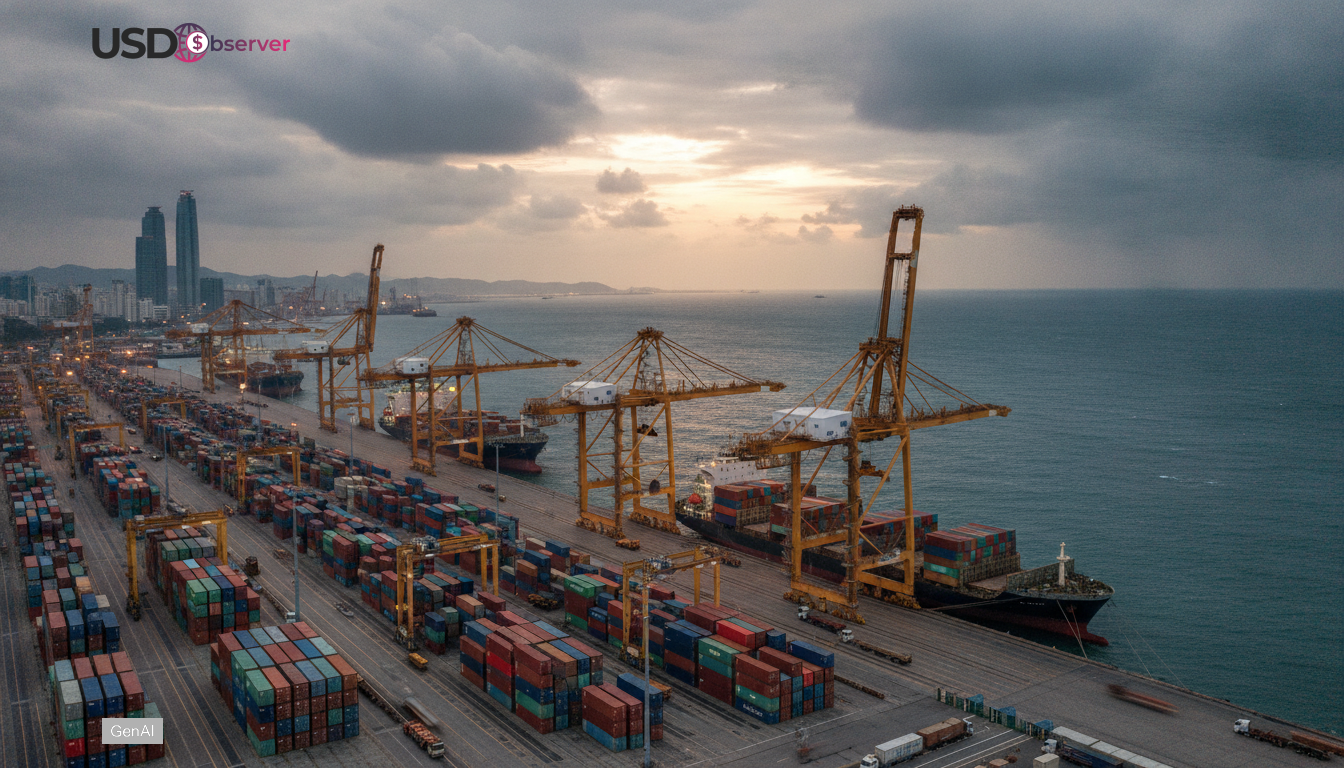
From Buenos Aires to Lagos, the dollar is the preferred store of value when local currencies falter. In Argentina, 60% of deposits are dollar-linked. Nigerian importers increasingly settle invoices in USD to bypass unstable naira rates. Corporates in Turkey and Egypt also borrow in dollars to access cheaper credit abroad, reinforcing dollar demand even as governments push local alternatives.
MoM and YoY Macro Data
- Dollar Deposits in Argentina: Rose +12% MoM in late 2023, +45% YoY compared to 2022.
- Nigeria’s FX Market: Parallel market rates traded 35% weaker than official in 2024, fueling USD hoarding.
- Reserves: EM central banks kept ~60% of holdings in USD as of 2024, little changed YoY.
These numbers show how dollar demand intensifies when inflation accelerates or local liquidity falters.
External Drivers of Dollarization
- Crime & Informality: Informal markets and corruption often bypass official FX systems, favoring dollars as the settlement medium.
- Climate: Agricultural shocks in EM economies push import bills higher, typically settled in USD.
- Geopolitics: Sanctions and instability drive further reliance on dollar-denominated assets for security and mobility.
Lessons for Traders
Dollarization 2.0 means EM currencies remain highly vulnerable to USD shocks. Traders should watch MoM increases in parallel market activity, YoY inflation surges, and reserve compositions for early signs of stress. When locals hoard dollars, EM FX beta rises, amplifying USD moves and creating sharp dislocations in pairs like ARS/USD, NGN/USD, and TRY/USD.
Takeaway
Emerging markets cannot quit the dollar because alternatives lack liquidity, trust, and global acceptance. Far from de-dollarization, the trend is toward deeper informal integration with USD markets. For forex traders and macro analysts, this means EM exposure remains essentially a leveraged bet on dollar cycles — with every inflation surge or crisis reinforcing, not weakening, the greenback’s hold.