Venezuelan oil deal overview and why it matters
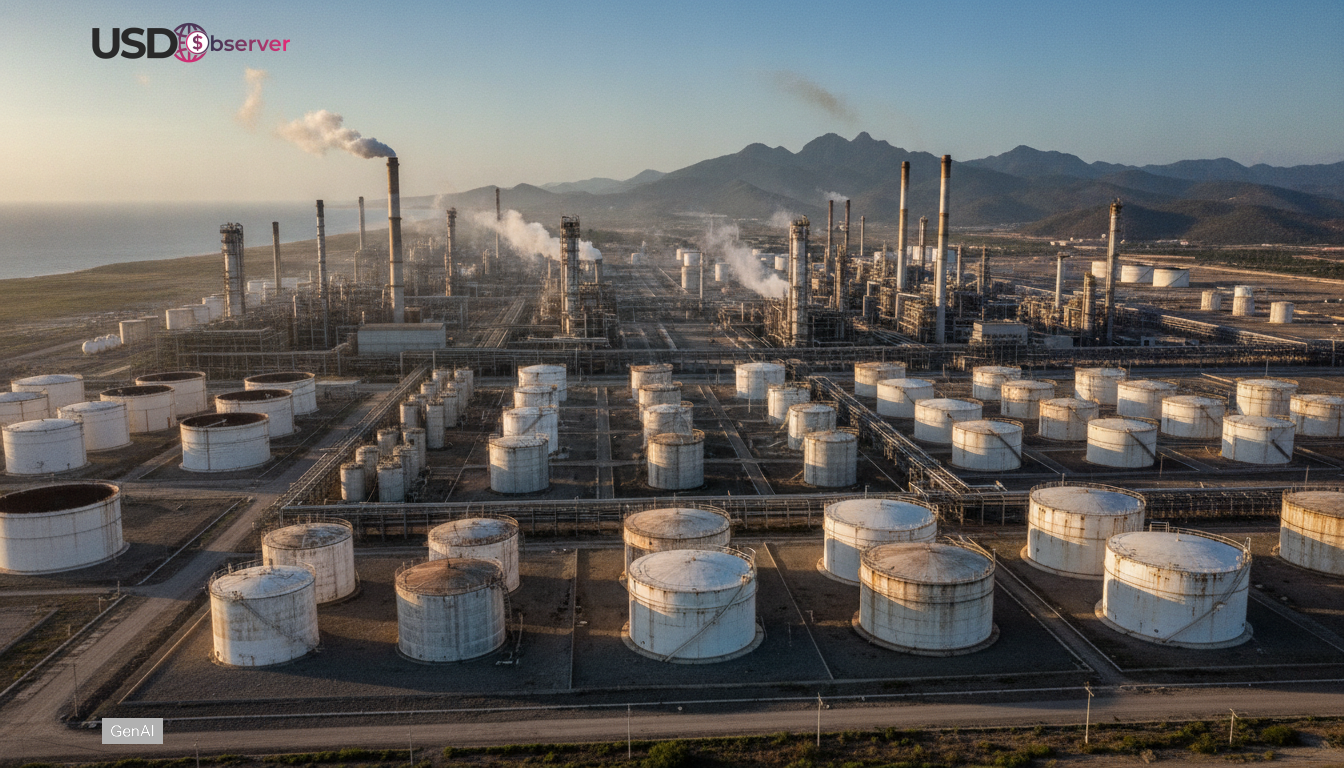
The Venezuelan oil deal is being discussed as a potential shift in energy leverage, with Trump publicly tying it to control and scale. Markets care less about the headline figure than about legal permission to move cargoes, available infrastructure, and the time needed to raise output; he cited a “65 billion barrels” figure in public remarks, though the number and its definition are not consistently sourced in the public discussion and, according to available reports, should be treated as a claim rather than a verified reserve or recoverable volume estimate. Venezuela’s crude is widely characterized as heavy by industry participants, which can limit near-term export flexibility because it often needs complex refining, blending, and access to diluent. For investors, the first question is whether this proposal changes actual barrels or mostly changes sentiment.
What Trump said and the sanctions framework
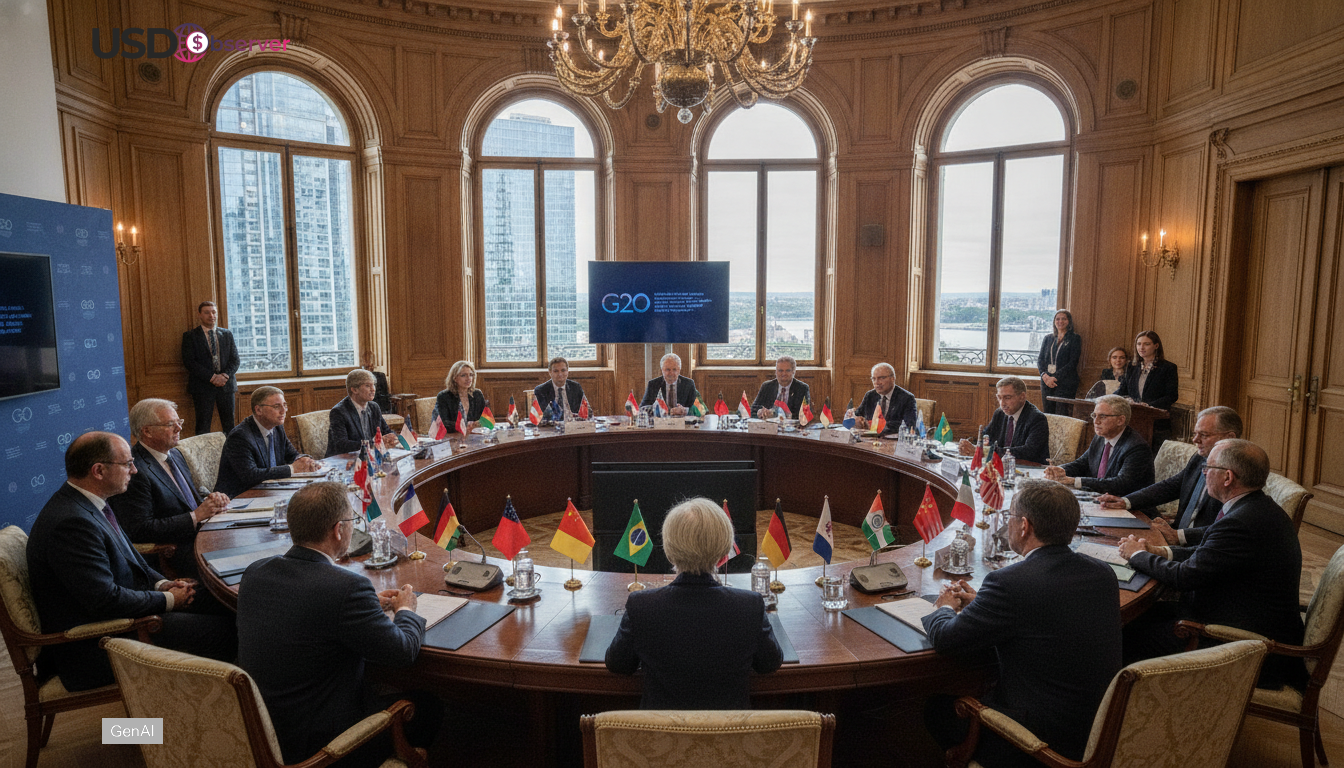
In remarks linked to the “65 billion barrels” claim, Trump described an arrangement that would still have to interact with U.S. sanctions policy administered by the U.S. Department of the Treasury’s Office of Foreign Assets Control (OFAC). Any workable pathway would likely depend on licensing, counterparties, and strict shipping and insurance compliance so buyers can clear payments without triggering enforcement risk, according to common OFAC compliance practice as described by sanctions advisers and market participants; for policy spillovers into finance and regulation, see https://usdmirror.com/boe-stablecoin-innovation-mandate-shifts-uk-rules/. That makes the proposed structure as much a negotiating lever as an operational production plan.
How the Venezuelan oil deal could move oil prices
Traders will focus on whether rhetoric converts into measurable supply, and on which crude slates would be affected first. The main transmission mechanism is expectations: even without immediate production gains, talk of additional Venezuelan exports can pressure forward curves if it reduces perceived shortage risk, as market pricing often reacts to policy headlines; a parallel on trade tension transmission channels is outlined here: https://www.bbc.co.uk/news/articles/c4g4r4lxx25o?at_medium=RSS&at_campaign=rss. Quality constraints still matter, since heavier grades fit fewer refineries and may require discounts to Brent until blending and upgrading capacity is arranged, according to typical refining economics described by industry analysts. Headlines can also move tanker rates and insurance pricing because compliance risk is priced quickly even when physical flows lag.
Economic consequences inside Venezuela
For Caracas, the stakes are immediate: export receipts, fiscal capacity, and the ability to import refined products, spare parts, and equipment. If restrictions tighten instead, output could be stranded and shortages could deepen, according to the basic mechanics of sanctions-constrained trade described by economists and energy analysts; for FX and policy repricing context, see Fed policy influences US forex as rate cuts are reconsidered and India’s US Dollar Dependency and Economic Exposure. If the Venezuelan oil deal framework increases legal certainty for buyers, hard currency inflows could rise and stabilize parts of domestic pricing. Observers will watch whether the plan implies investment commitments or mostly messaging, since restoring production typically requires capital, maintenance, and reliable diluent access. It also intersects with debt settlement and litigation risk because proceeds and cargoes can be targeted in disputes depending on jurisdiction and contract structure, as noted in past creditor actions involving sovereign-linked assets.
What to watch next for markets and governments
Outside the region, governments and firms will evaluate the proposal through sanctions compliance, energy security, and political signaling. Major importers tend to weigh heavy crude availability against reputational and legal exposure, while producers inside OPEC will assess whether added Venezuelan volumes could complicate quota management and price stability, as analysts often flag when new supply risks emerge, and central banks and finance ministries will track second-order effects through inflation expectations, freight costs, and USD funding conditions in emerging markets. For the United States, the central test is whether the policy posture is coherent across agencies and election cycles, since companies price rule durability as much as headline access. The lasting impact will depend on enforceable terms, credible capacity additions, and whether counterparties can transact without sudden regulatory reversals after the initial Venezuelan oil deal headlines fade.