Stryker Cyber Attack: What Happened at the UK Plant
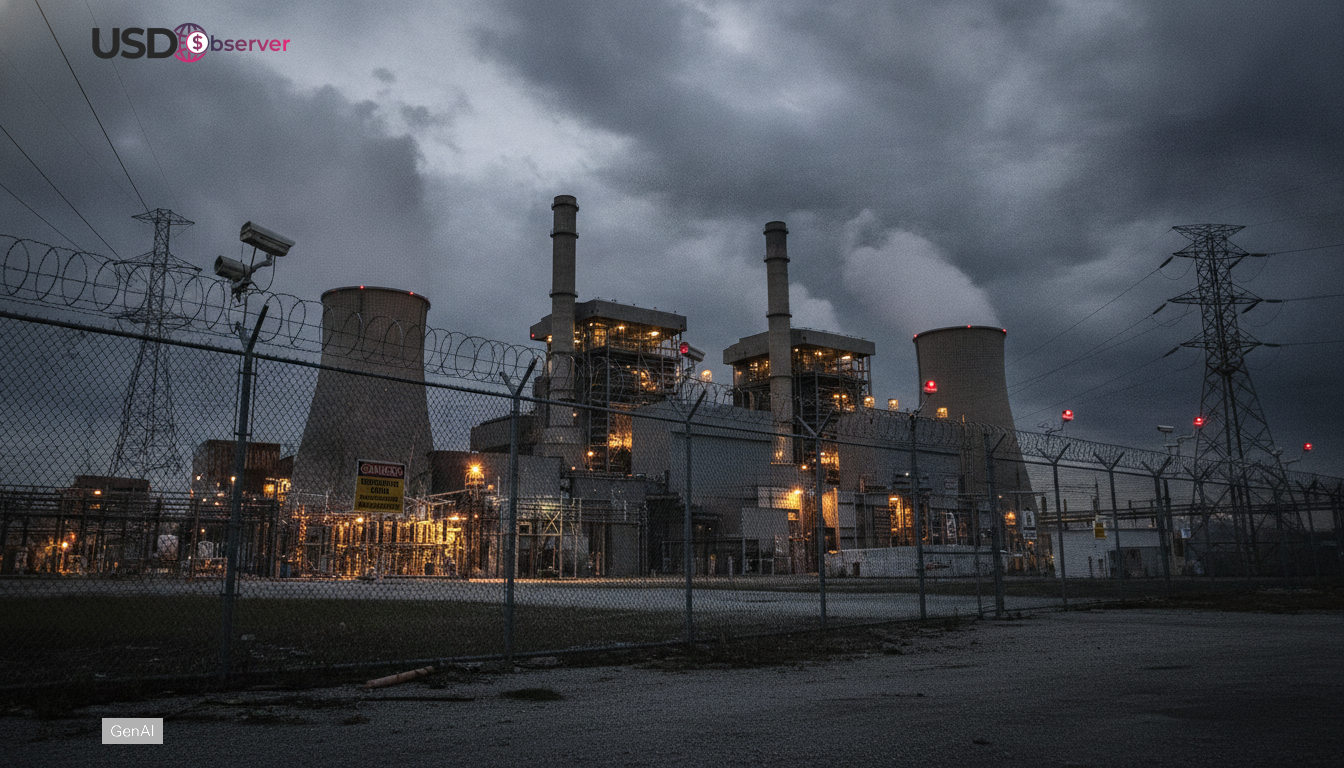
According to available reports, UK investigators are examining a disruption that has been widely circulated online as the stryker cyber attack, after reports said a cyber incident led a UK power plant to shut down and activate safety protocols designed to protect equipment. In a briefing to Parliament, the UK National Cyber Security Centre (NCSC) said it is supporting response work with the affected operator and sector partners, and the stryker cyber attack framing has continued to circulate in online summaries. Officials have not publicly named the site or company, and ministers have not confirmed attribution. Even so, discussion around the incident has focused attention on operational technology, where a loss of visibility or control can reportedly stop generation even when data theft is not the main objective.
Timeline and What UK Authorities Have Confirmed
In the days after the shutdown was reported, NCSC reiterated its guidance for critical infrastructure operators on incident handling and recovery planning. The Department for Energy Security and Net Zero said resilience planning assumes attempted intrusions will continue across essential services, and that operators should test procedures that keep systems safe during abnormal plant behavior, while the stryker cyber attack label persists in some market commentary. For background on how resilience requirements are expanding across interconnected systems, see https://tethernews.com/?p=12190, which tracks similar operational dependencies in payments infrastructure. Official statements have largely been limited to response support and sector coordination rather than naming the victim or the attacker.
Impact on UK Energy Security and Power Markets
The reported shutdown has sharpened attention on how plant-level outages can ripple through balancing markets and contingency reserves when margins are tight, according to analysts cited in broader market commentary. Ofgem has previously warned that cyber resilience is integral to maintaining reliable supply, and NCSC guidance for industrial control systems is being revisited inside operator circles, according to industry participants, as the stryker cyber attack narrative has amplified board-level scrutiny of outage tolerance, black-start assumptions, and the ability to isolate control networks quickly. Market sensitivity to disruption has also been visible in broader risk coverage, including https://usdobserver.com/us-trade-war-fears-rise-as-trump-widens-tariffs/ and https://usdobserver.com/us-borrowing-costs-climb-as-debt-fears-shake-markets/, as investors price operational shocks alongside policy risk. The episode has been discussed against a 2024 backdrop of tighter reserve margins and higher sensitivity to unexpected unit outages.
Iran-Linked Tactics Cited in Claims About the Incident
Some commentary has described the incident as consistent with tactics previously attributed by governments and researchers to Iranian state-aligned groups, including intrusion attempts that target industrial control environments and remote access paths; however, the UK government has not confirmed attribution for the reported plant shutdown. For geopolitical context referenced by analysts, the BBC has tracked Tehran’s posture amid economic pressure in https://www.bbc.co.uk/news/articles/c0qxew81y83o?at_medium=RSS&at_campaign=rss, and ministers have said more broadly that hostile activity against national infrastructure is met with coordinated defensive measures and may involve diplomatic action, according to public government remarks. Separately, executives in other sectors have discussed disruption risk during a jlr cyber attack, and during a jaguar cyber attack and land rover cyber attack, as interconnected IT and OT can cascade failures.
How Operators Are Hardening OT After the Stryker Cyber Attack
In response to incidents like the one described in “stryker cyber attack” posts, operators are concentrating on measures intended to reduce the chance that a single compromise can force a shutdown, including tighter remote access controls, improved monitoring inside industrial networks, and recovery exercises that validate restore times. NCSC has advised organisations running operational technology to maintain accurate asset inventories, restrict administrative privileges, and ensure secure backups that can be restored quickly, and the stryker cyber attack discussion has made these control gaps more visible in internal reviews. Where third-party maintenance is essential, contracts are being rewritten to require stronger authentication and logging, and to define when connections must be physically disconnected. The incident has also pushed boards to demand clearer metrics on patch coverage and recovery time objectives rather than relying on generic assurance statements, according to people familiar with internal risk reviews.