US tariff refunds and the $1bn earnings boost
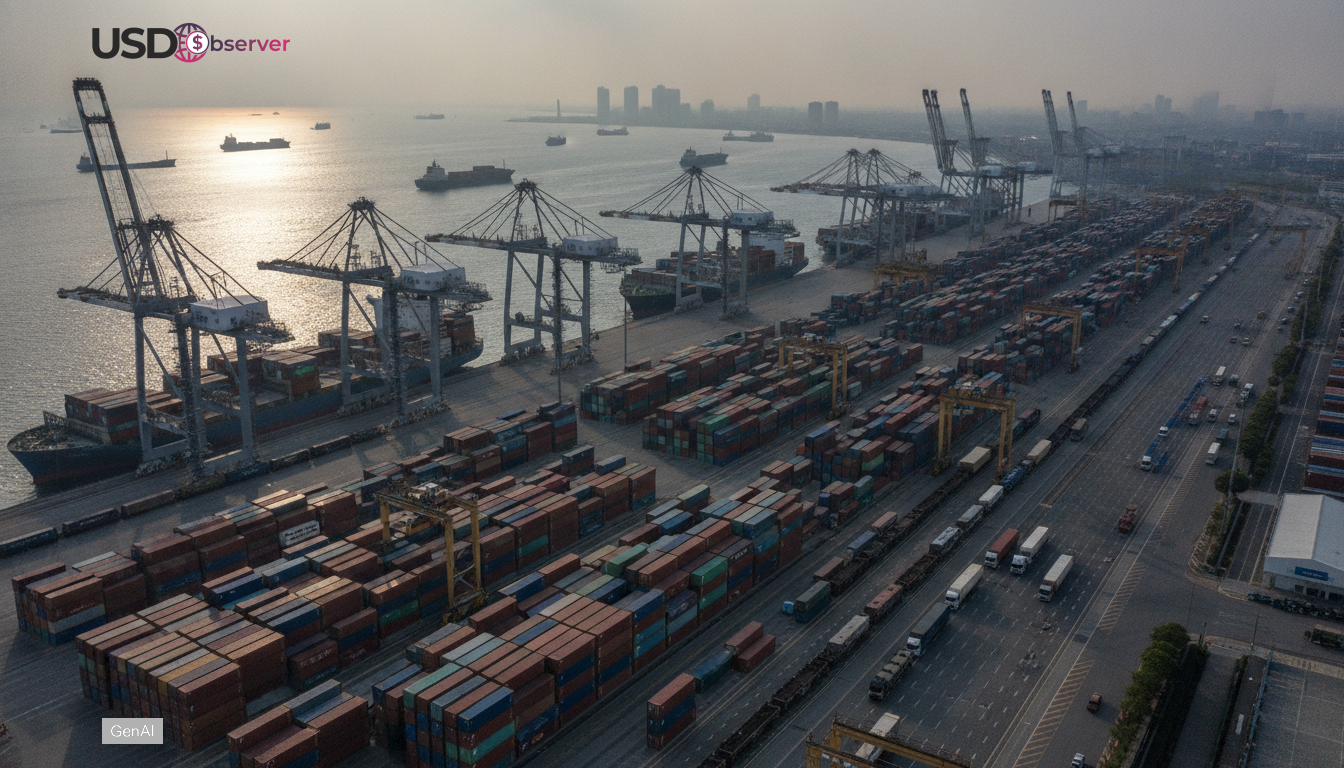
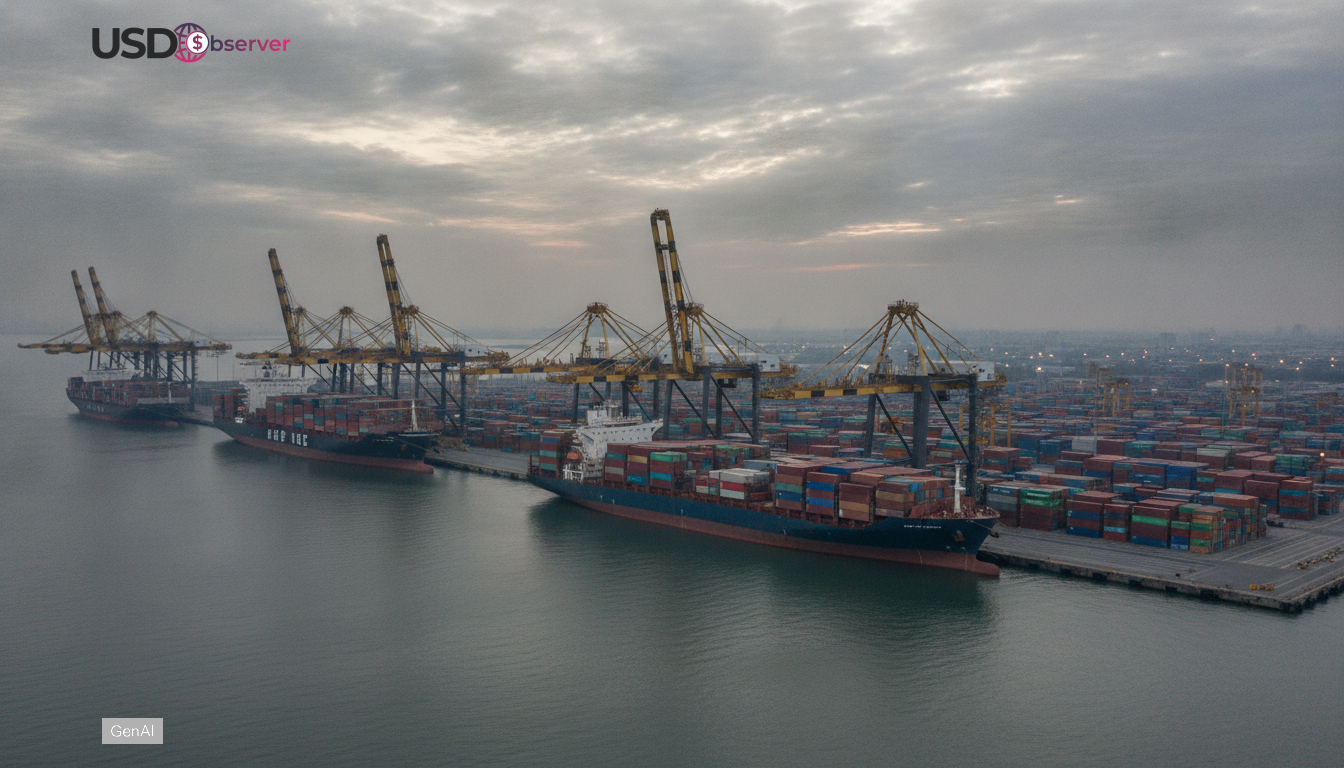
US tariff refunds can create a sudden jump in reported retail profit when previously paid import duties are returned. According to reports, approximately $1 billion in tariff-related cash back tied to past duties that later became eligible for refund. The benefit can lift net income in a single quarter, even if store traffic, pricing power, and unit demand are broadly unchanged. Companies often describe the inflow as a correction of earlier-period costs rather than a new driver of sales, according to company reporting conventions commonly cited by analysts. This distinction matters because analysts commonly adjust results to separate operational performance from one-time items, as reflected in typical earnings reconciliation practices.
How duty refunds flow through operating income
In financial statements, duty recoveries are typically recorded as a reduction to cost of goods sold or import expense, which can widen operating margin, depending on the company’s accounting policy and how the item is presented. The timing is often long: as customs paperwork is reviewed, product classifications are checked, and duty assessments are challenged, refunds can take multiple quarters, according to general customs-claims processes described by industry advisers. For a parallel example of how timing and accounting can reshape narratives, see Tokenized deposits vs stablecoins: differences, because refund outcomes depend heavily on compliance quality and record retention. Because the cash impact may not line up with merchandising calendars or guidance cycles, US tariff refunds may therefore show up as a lumpy, non-operational tailwind in operating income.
Why refund timing and policy uncertainty matter
For the wider sector, refund-driven volatility highlights how trade-policy uncertainty can create uneven outcomes based on supply-chain exposure and access to specialist support, according to commonly observed industry dynamics. Large importers are generally more likely to pursue duty refunds because they can fund specialized customs teams, outside counsel, and sustained audit support. Policy negotiations can also shift assumptions quickly when deadlines and tariff risks dominate headlines, as discussed in US-Canada trade negotiations face deadline, tariff risks. Smaller retailers may lack the capacity to challenge classifications or maintain the historical shipment records needed to claim back duties, based on typical compliance burdens associated with customs filings. In that environment, US tariff refunds can become a meaningful swing factor in reported results, even when underlying demand is steady.
Comparing current results to prior quarters
Relative to prior quarters, a refund-driven swing can distort trend lines in operating income and earnings per share, even if sales growth stays consistent. According to reports, the boost was framed as material to quarterly profit, which is why analysts typically reconcile reported results to adjusted measures. Macro forces can also move both consumer demand and retailer costs at the same time, as outlined in Global Interest Rates and Economic Pressures, complicating attribution according to standard sell-side and company presentation practices. Separately, regulators also watch consumer fee practices, with related scrutiny noted by the BBC at Trainline, Virgin Atlantic and RED Driving School investigated over ‘drip pricing’.
Outlook: will US tariff refunds repeat?
Forward guidance typically focuses on whether additional duty recoveries are pending and on steps to reduce future tariff exposure through sourcing and classification discipline, based on what executives often emphasize on earnings calls. Executives also commonly note that duty recoveries depend on case outcomes, rulings, and audit risk, so similar gains are not usually embedded into annual targets. While refunds can strengthen cash flow in the period received, investors generally look for durable margin drivers such as supply-chain efficiency, private-label mix, and inventory turns. A practical read-through is to treat US tariff refunds as discrete and evaluate core performance on sales mix and controllable expenses rather than on refunds tied to past-period duty disputes.