US Customs Tariff Refunds and the $1bn Filing Gain
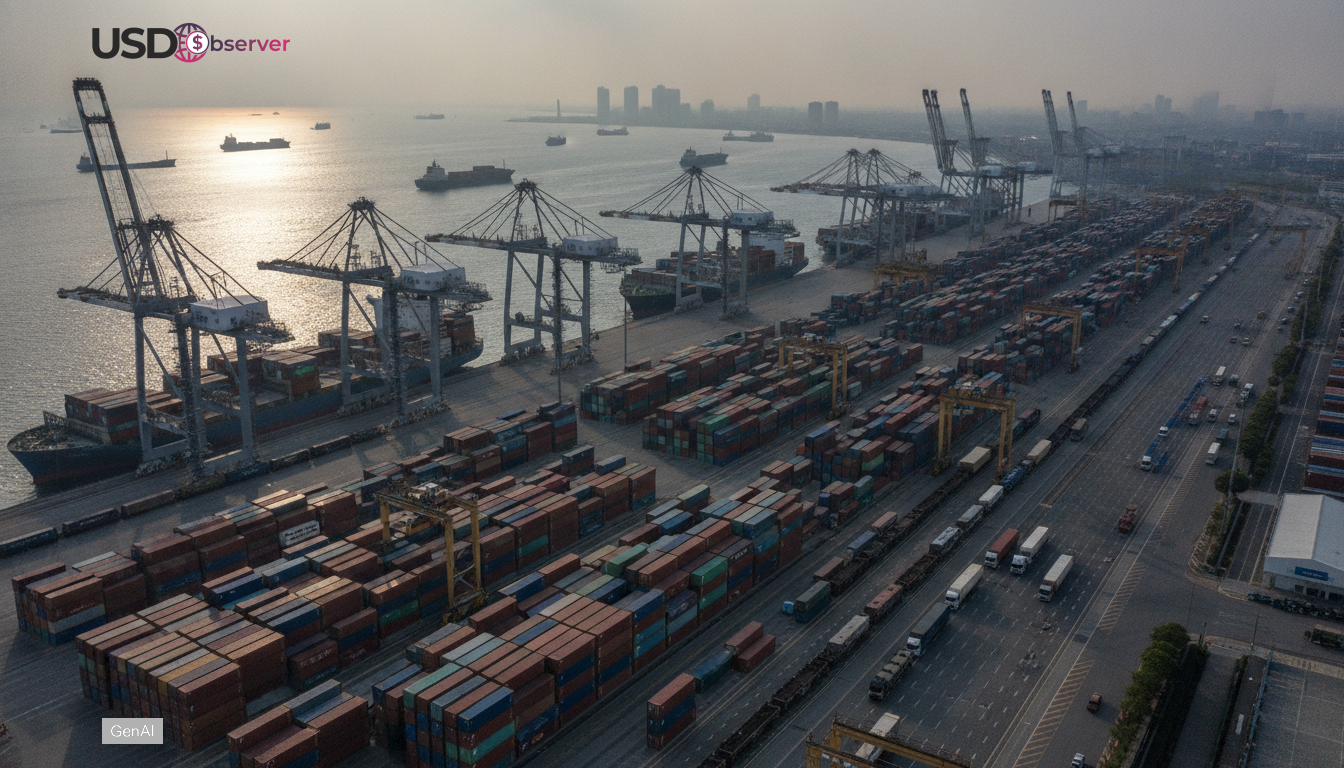
According to available reports, a major retailer reported a one-time benefit in its latest quarterly filing, indicating it recognized about $1 billion in benefits tied to resolved prior-period import entries. The company described the item as primarily a balance-sheet and liquidity effect rather than demand-driven growth, and said underlying sales and margin trends were discussed separately in the same release. It also noted that recognition depends on when a claim becomes probable and measurable, which can shift the benefit between reporting periods. Executives added that cash timing depends on US Customs processing, payment schedules, and completion of related administrative steps.
How Refund Recoveries Can Change Cash Flow and Inventory
Beyond the headline number, the company stated the refund alters near-term working capital, funding flexibility, and how it sequences inventory receipts across key categories, according to available reports. It linked the outcome to refund recoveries pursued through administrative protests and court-tested classifications, including documentation on product descriptions, country of origin, and entry-level duty calculations, according to the company’s comments. For context on how import costs can feed into consumer prices, the BBC has covered inflation pass through dynamics in retail and essentials in Inflation is heating up but don’t expect another crisis. In internal planning referenced on the call, leaders said procurement teams will prioritize faster replenishment where duty rates are now better understood.
Legal Path: Protests, Court Rulings, and Duty Refund Claims
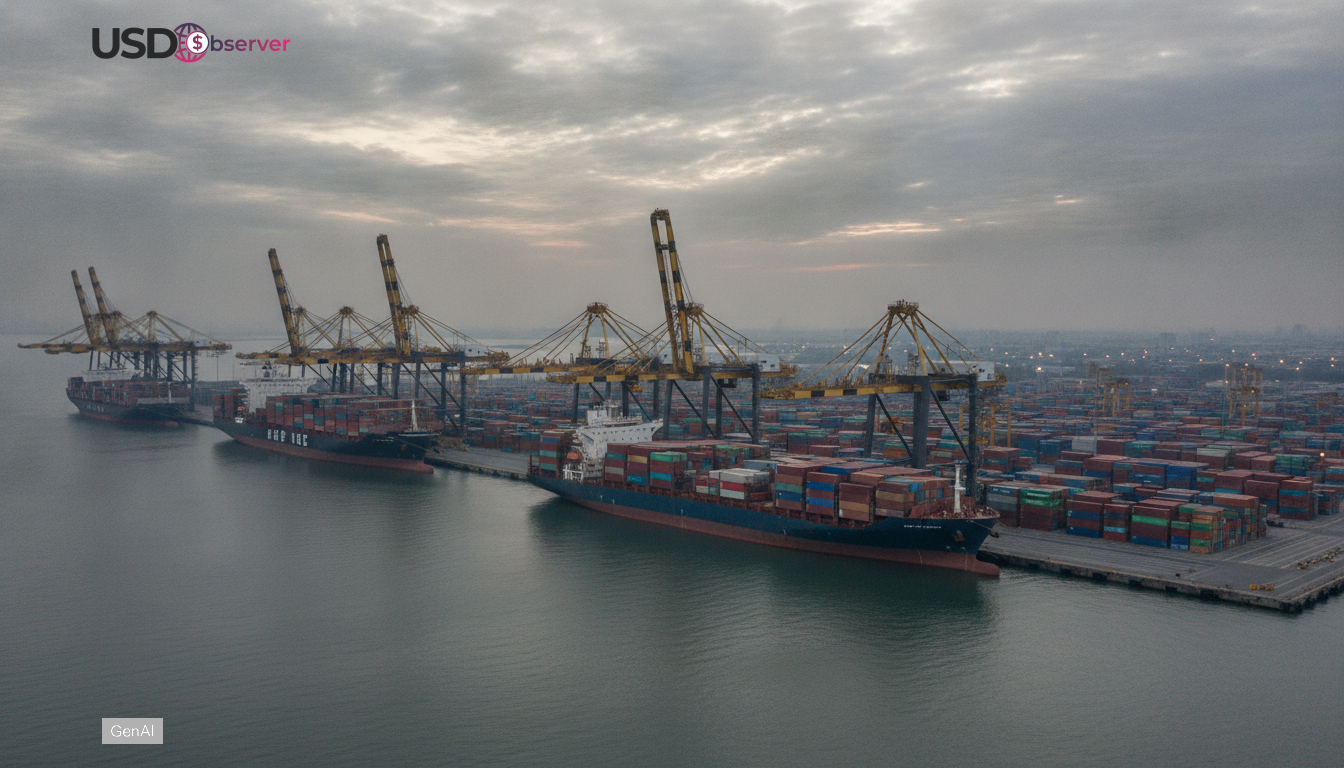
The disclosure arrives as tariff disputes continue to move through the US Court of International Trade and related administrative channels, according to the company’s framing. Available reports suggest that duty refund claims can hinge on tariff classification, country of origin determinations, and whether duties were paid under rates later found inconsistent with law. A broader view of how tariff uncertainty affects cross-border planning is detailed in US-Canada trade negotiations face deadline, tariff risks, which outlines negotiation deadlines and the risk of sudden duty changes for importers. It emphasized that refunds are not automatic, requiring records, deadlines, and sometimes litigation to validate the basis for repayment. For a parallel on documentation and treasury decision-making, see Tokenized deposits vs stablecoins: differences.
Accounting Treatment, Timing Risk, and Compliance Controls
The retailer indicated that the benefit’s accounting depends on when claims become sufficiently supported, meaning recognition can be variable even if entries span multiple years. In practice, this can make it harder for investors to map US customs tariff refunds directly to quarterly operating performance, as the reported gain can arrive well after goods are sold and inventories have turned, according to the company. It is strengthening compliance controls so future entries are supported by clearer sourcing documentation, including tighter internal review of classification logic and origin evidence. It also noted that the cash receipt schedule can diverge from the accounting period, depending on how quickly Customs processes payments and finalizes any remaining steps.
What Investors Watch Next
Other large chains are assessing whether similar claims can be monetized, but legal posture and import mix differ widely across retailers, according to the company’s own cautionary notes. The company’s comments suggest that future gains tied to US customs tariff refunds should not be treated as recurring earnings, because the opportunity set may shrink once legacy entries are resolved. The cash may be utilized to absorb higher freight, stabilize price investments, or accelerate distribution automation, depending on market conditions discussed in the call transcript. For investors, the key signal is whether margins hold once the refund rolls off, and whether sourcing changes deliver lower landed costs over the next several quarters.