How interest-rate differentials and volatility regimes drive dollar-based carry trades across G10 and EM.
By Iñaki Aldasoro | Economist, Bank for International Settlements
The relationship between carry trades, global risk appetite, and the U.S. dollar has long fascinated currency strategists. In theory, the dollar should weaken when investors seek higher-yielding currencies and strengthen when risk aversion unwinds those trades. In practice, the dynamics are far more complex — and increasingly tied to global financial cycles.
The Carry Trade Explained
A classic carry trade involves borrowing in a low-yielding currency and investing in one with higher returns. For much of the post-Global Financial Crisis era, the U.S. dollar played the role of a funding currency, with low interest rates that encouraged investors to borrow dollars and chase returns abroad.
But the dollar’s dual status as both funding and safe-haven currency complicates the story. When global risk appetite is strong, carry trades flourish, often at the dollar’s expense. Yet when volatility spikes — whether from geopolitical tensions, financial instability, or sudden rate shocks — investors rush to unwind positions, repurchasing dollars and driving the currency higher.
Lessons from Past Cycles
The 2013 “Taper Tantrum” underscored this feedback loop. As U.S. yields jumped on fears of tighter Fed policy, emerging-market currencies with high carry came under intense pressure, and the dollar surged.
In contrast, between 2017 and 2019, steady global growth and subdued volatility fueled a period where carry trades against the dollar gained traction, weakening the greenback despite moderate U.S. rate increases.
More recently, the 2022 tightening cycle reversed the picture. The rapid rise in U.S. yields made the dollar not just a safe haven but also a high-yielding asset, compressing opportunities for carry trades and pushing global investors back into the greenback.
Risk as the Dominant Driver
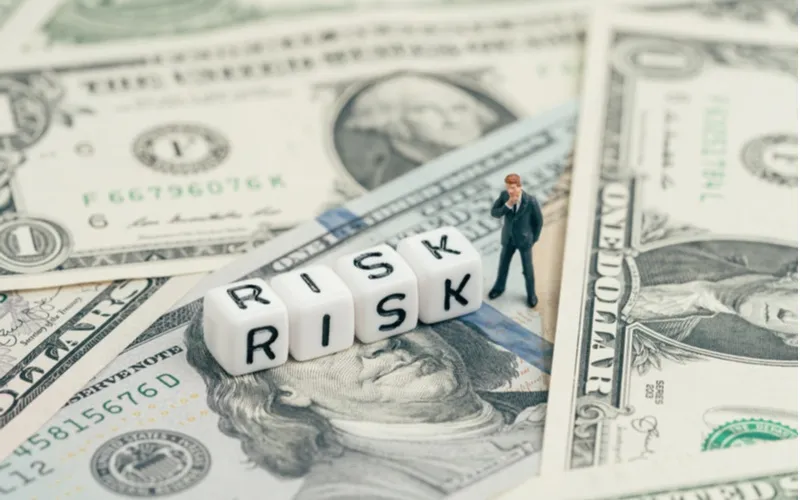
Recent BIS research highlights that global financial conditions, more than bilateral interest-rate spreads, often determine whether carry trades succeed. Indicators such as the VIX volatility index, credit spreads, and global liquidity metrics offer better signals of whether the dollar is likely to strengthen or weaken.
For instance, a high interest-rate differential might suggest opportunity in shorting the dollar. But if market volatility rises, those trades can unravel in hours, forcing losses and spurring a rush back into dollar-denominated assets.
The Current Landscape
As of late 2024, the dollar remains elevated, supported by both relatively high U.S. yields and periodic bouts of risk aversion. For traders, the environment is less about exploiting simple carry opportunities and more about timing exposures to broader cycles of global risk.
Emerging-market currencies, particularly those tied to commodities, continue to be sensitive to these shifts. While some investors see opportunity in carry strategies funded in dollars, the persistent risk of sudden reversals has kept positioning cautious.
Implications for Forex Traders
The takeaway is clear: carry and risk are inseparable in today’s FX markets. The dollar’s role as both a funding currency and a safe haven ensures that it cannot be analyzed in isolation. Successful trading requires monitoring not just yield differentials but also global volatility and liquidity indicators that dictate whether the dollar is being borrowed — or bought.