China British Steel Nationalisation Dispute: What Happened
The dispute centers on Jingye Group reportedly weighing compensation after the UK moved to take control of British Steel. According to available reports, the focus is whether the intervention process, timing, and valuation approach met the standards foreign investors expect under UK law and common investment protections. Market participants are watching for signs of formal litigation, arbitration, or a negotiated settlement, because each route implies different disclosure requirements and timelines. Officials have argued the measures were aimed at maintaining strategic steelmaking capacity and protecting jobs, while Jingye is assessing what it considers recoverable losses. For investors, the episode is as much about precedent as it is about money.
Jingye’s Compensation Claim and Legal Options
Jingye’s advisers are expected to test whether decision records, ministerial directions, and valuation methods can withstand scrutiny. A compensation claim typically turns on what the asset was worth at the point of intervention, what cash flows were realistically achievable, and whether alternative remedies were offered. Reuters has described the company as seeking compensation and weighing potential legal routes, a stance that can shape talks even before any court timetable is set. For a policy comparison on how governments shape market plumbing, see US-UK Digital Asset Roadmap Sets Growth Priorities. Financing conditions also matter because funding costs can influence damages arguments and future operating plans.
UK Government Position and Valuation Flashpoints
Ministers have defended intervention as necessary to protect strategic capacity and continuity at the plant, while saying decisions followed legal advice and statutory powers. The UK government has indicated it will contest what it views as excessive claims and keep the focus on stabilising production, preserving supply chains, and keeping orders moving. A central flashpoint is likely to be valuation: what baseline was used, which liabilities were included, and how ongoing operating losses were treated. BBC reporting on wider economic trade offs in local policy, including Jobs, borrowing and taxes: Andy Burnham’s economic challenges, illustrates why governments often resist open ended compensation frameworks. Public finance limits can also shape negotiating room and willingness to settle quickly.
Market Impact: Creditors, Suppliers, and UK Risk Premium
For lenders, suppliers, and customers, nationalisation changes who backstops contracts, how payment risk is priced, and what happens to existing security and priority rules. If compensation is pursued, creditors will also watch whether any outcome affects recoveries through the valuation baseline used by the state and the ranking of claims. Broader confidence indicators help frame this risk debate, including UK economy growth returns in May, boosting confidence. The china british steel nationalisation dispute could influence perceived regulatory risk for other overseas owned UK industrial assets, especially where energy and compliance costs can rapidly alter profitability. Energy costs remain a key variable for heavy industry and can quickly reshape break even assumptions.
What Comes Next for British Steel and Sino-UK Relations
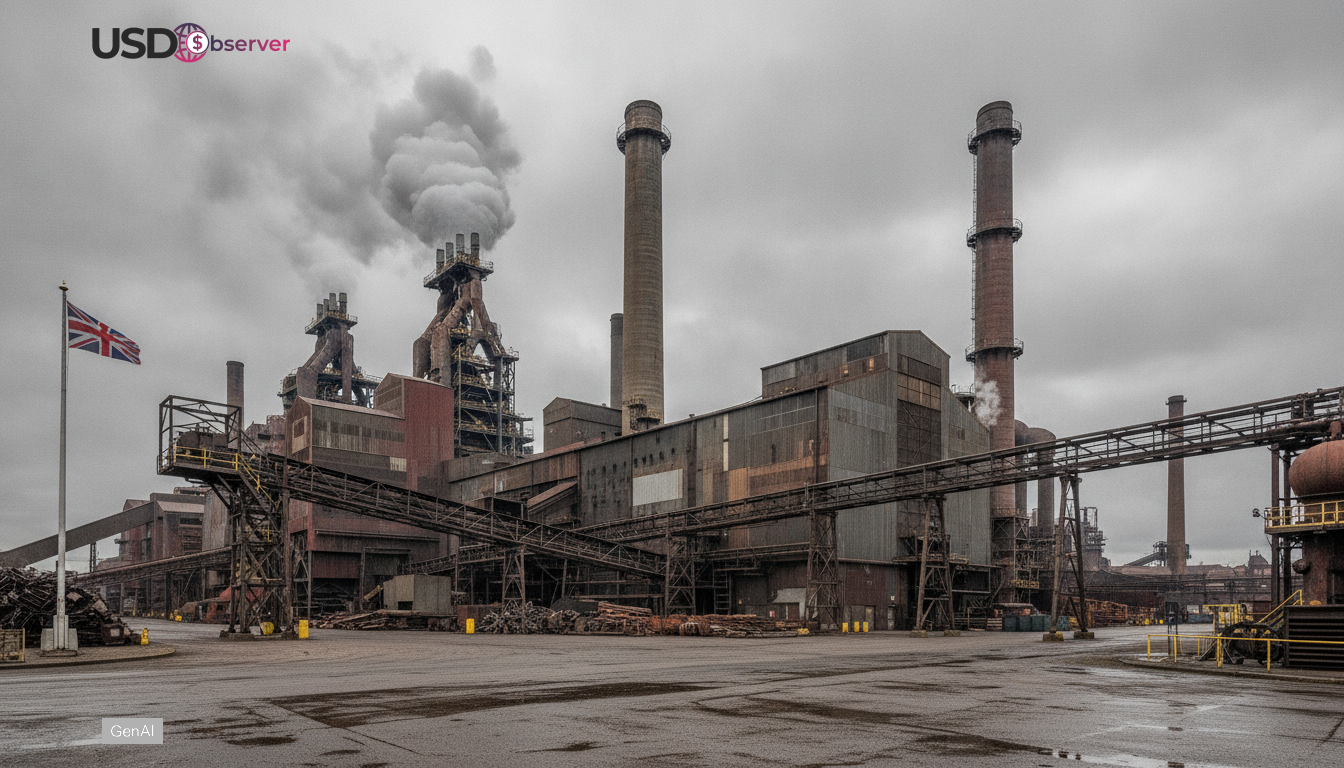
Next steps depend on whether state control becomes a bridge to resale, a recapitalisation route, or a longer period of public ownership. Analysts will likely judge outcomes by investment commitments, order book stability, and the ability to secure competitive energy and raw material inputs while meeting decarbonisation requirements. Trade officials in Beijing and London will also watch for spillovers into broader commercial ties and investor sentiment, because high profile cases can influence future capital allocation decisions. The legal pathway matters: domestic courts, arbitration, or settlement can each set different expectations about timelines and enforceability. Ultimately, the China-UK dispute over British Steel will be a test of process, valuation evidence, and whether governance steps reduce uncertainty for future bidders, particularly around the Scunthorpe plant in Lincolnshire.