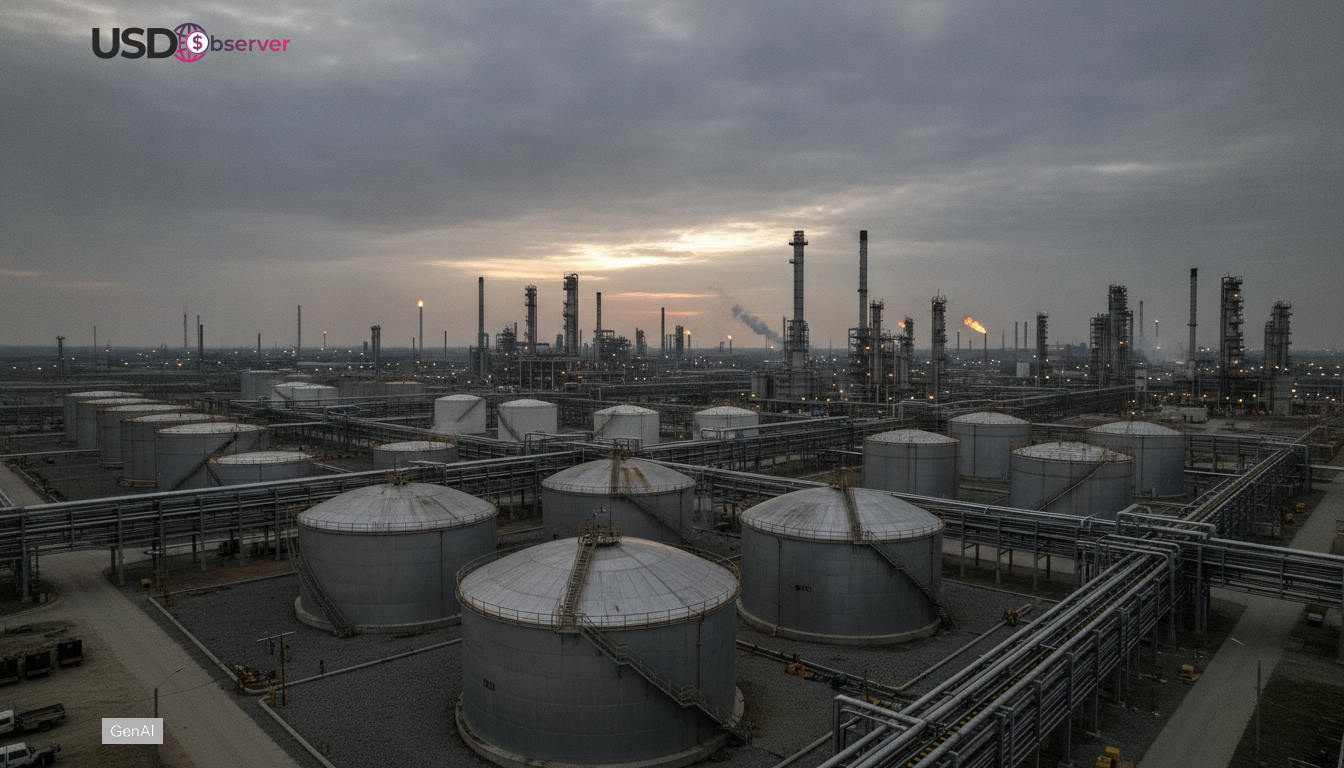
Heating Oil Prices Rise as US-Iran Risk Lifts Crude
Heating oil prices are moving higher as traders reportedly price in Middle East shipping risk following renewed friction between Washington and Tehran. In its latest monthly report, the International Energy Agency said geopolitical stress can tighten diesel and distillate balances through precautionary buying. As crude benchmarks rise, heating oil prices often follow, according to market commentary from S&P Global Commodity Insights, because refiners and wholesalers commonly hedge distillate exposure against crude. S&P Global Commodity Insights analysts have also noted that risk premia can expand without an immediate supply outage, especially when inventories are seasonally low.
How Heating Oil Prices Move Through Global Supply Chains
Freight insurers and ship operators can react quickly to security alerts, which can lift delivered costs for fuel buyers and squeeze margins for distributors, according to industry reporting and market participants. In the UK and northwest Europe, wholesale distillate moves can feed into heating oil quotes with a lag that varies by supplier contracts and local pricing formulas. A parallel theme in price transparency and settlement is discussed in Stablecoin Strategy for Banks: Planning for 2026, while the UK government publishes tracked domestic fuel pricing methodology through the Department for Energy Security and Net Zero, which wholesalers often reference in formula pricing. Market volatility can also change where customers find best heating oil prices, with smaller distributors sometimes adjusting delivery windows and storage fees rather than headline pence per litre.
Regulators, Contracts, and Compensation After Price Hikes
Regulators have, at times, focused on fairness when suppliers apply abrupt surcharges that customers cannot reasonably avoid, according to the Competition and Markets Authority and other published guidance in consumer markets. In Britain, the Competition and Markets Authority has previously outlined how price spikes can trigger scrutiny of contract terms and sales practices in consumer energy markets. For context on consumer pressure, the BBC has examined other household cost disputes, including Cash-strapped Thames Water poses big test for Burnham, and where heating oil customers have faced compensation after price hikes, outcomes typically depend on contract terms and evidence of clear communication, rather than a uniform rule across the sector. A related discussion of how conflict transmits into consumer inflation appears in Middle East conflict risks to US gas prices and inflation, while for households buying home heating oil on prepayment or scheduled top ups, small timing shifts can translate into materially different invoice totals when wholesale markets jump.
Household and Business Impacts When Heating Oil Prices Jump
For consumers, the immediate hit is not only the delivered per litre cost but also the cash flow burden of minimum drop sizes and credit card fees, where applied by suppliers. When prices for home heating oil rise, household budgets can tighten quickly because space heating demand is often relatively inelastic in colder regions, as economists and energy analysts commonly describe. To link fuel shocks with the wider USD backdrop, compare energy pass through with US inflation 2025 outlook: CPI eased to 3.5% in latest report, and the Office for National Statistics has described how energy and fuel categories can ripple into broader inflation baskets, even when the direct spend share is modest. Higher distillate costs can also affect rural small businesses that use off grid heating and backup generators, which may push operating costs into prices for goods and services.
What to Watch Next for Heating Oil Prices and Supply
Near term pricing will hinge on whether shipping risk stays elevated and how refiners allocate output between gasoline and middle distillates, according to market watchers. The US Energy Information Administration tracks distillate stocks and refinery utilization, metrics traders use to judge how quickly the system can absorb disruption. If crude remains supported by risk sentiment, heating oil prices could stay firm even if physical supply is adequate, because hedging costs can rise and distributors may widen margins to manage volatility. Buyers watching their next delivery can reduce exposure by clarifying contract formulas, delivery lead times, and what triggers surcharges. More durable relief tends to come when risk premia fade and inventory rebuilds, rather than from short lived retail promotions.