China Economic Growth Slows and Reshapes Markets
Beijing’s latest activity readings show momentum may be weakening after an early year bounce, sharpening concerns across commodity and currency markets. According to reports from Reuters, the softer tone is linked to weaker property activity and uneven household spending, while several banks note a slower pace of industrial orders. China economic growth appears to have cooled enough to potentially miss policy expectations, prompting analysts to consider marking down quarterly output assumptions. Equity sentiment in Asia also reflected caution as investors rotated toward defensives. Authorities have reiterated support for employment and key industries, but traders are focused on whether new stimulus will be broad-based or targeted. The immediate consequence may be a more fragile outlook for import demand and pricing power.
What is Driving the Slowdown in China
Policy makers are dealing with a mix of structural and cyclical drags that may be difficult to offset quickly. Property sector strain remains central, and the IMF has repeatedly highlighted real estate as a potential constraint on confidence and local government finance. Markets are also tracking cross border liquidity and settlement rails, and participants watching payment resilience have drawn attention to Stablecoin Strategy for Banks: Planning for 2026. Domestic demand has been affected by weak private investment and tight profit margins in parts of manufacturing. S and P Global has pointed to uneven services spending as consumers prioritize essentials. Financial conditions are looser, but transmission into risk taking remains muted and credit demand is selective.
How Slower Growth Influences Global Oil Prices
Oil prices may react as traders reassess the demand path tied to refinery runs and transport fuel use. Growth in China is a variable in forecasts used by OPEC and the International Energy Agency, so softer signals tend to pressure front month contracts. Reuters notes that crude often sells off when China’s import appetite seems uncertain, particularly for diesel linked to construction and freight. Context on inflation sensitivity and energy costs is discussed in US inflation 2025 outlook: CPI eased to 3.5% in latest report, and prices also reflected broader risk sentiment, with the dollar firming and weighing on commodities priced in USD. For producers, weaker demand expectations might shift attention back to supply discipline and inventory data.
Exports, Freight Rates, and the Trade Flow Channel
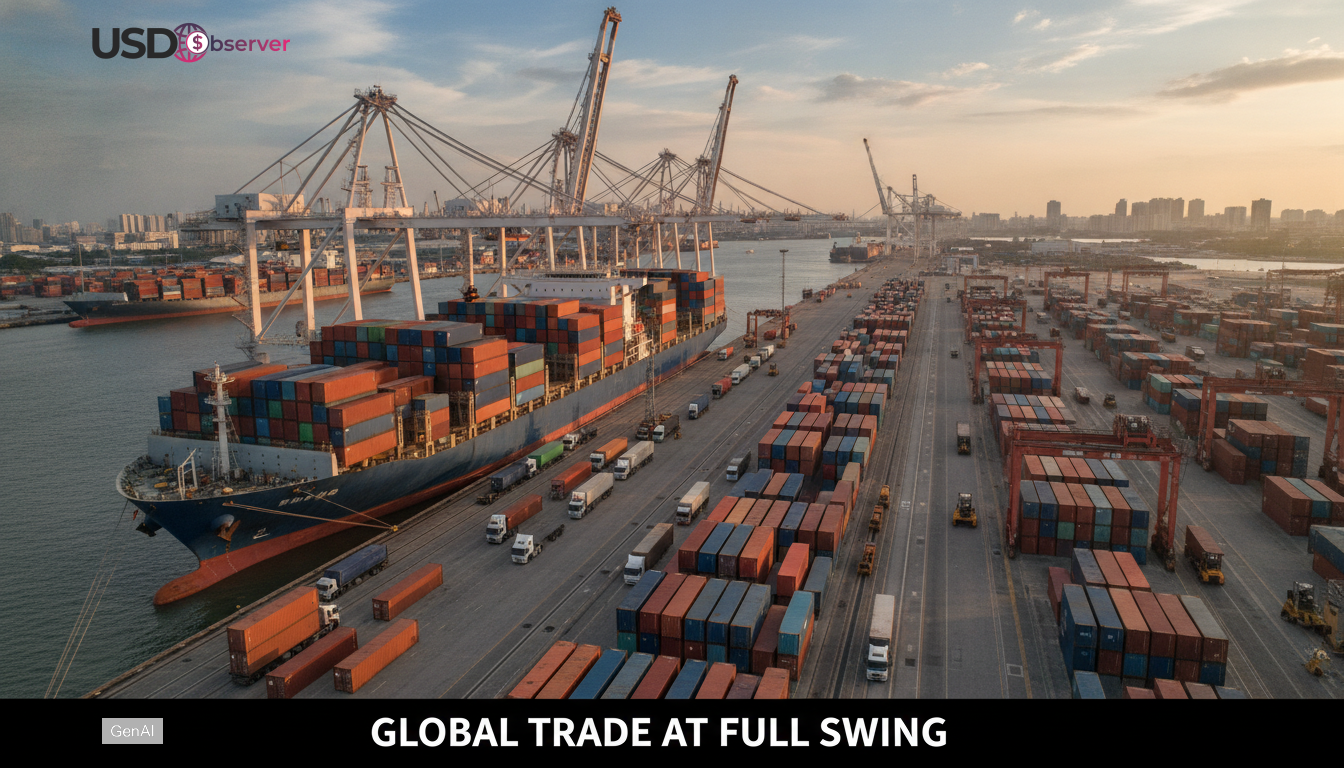
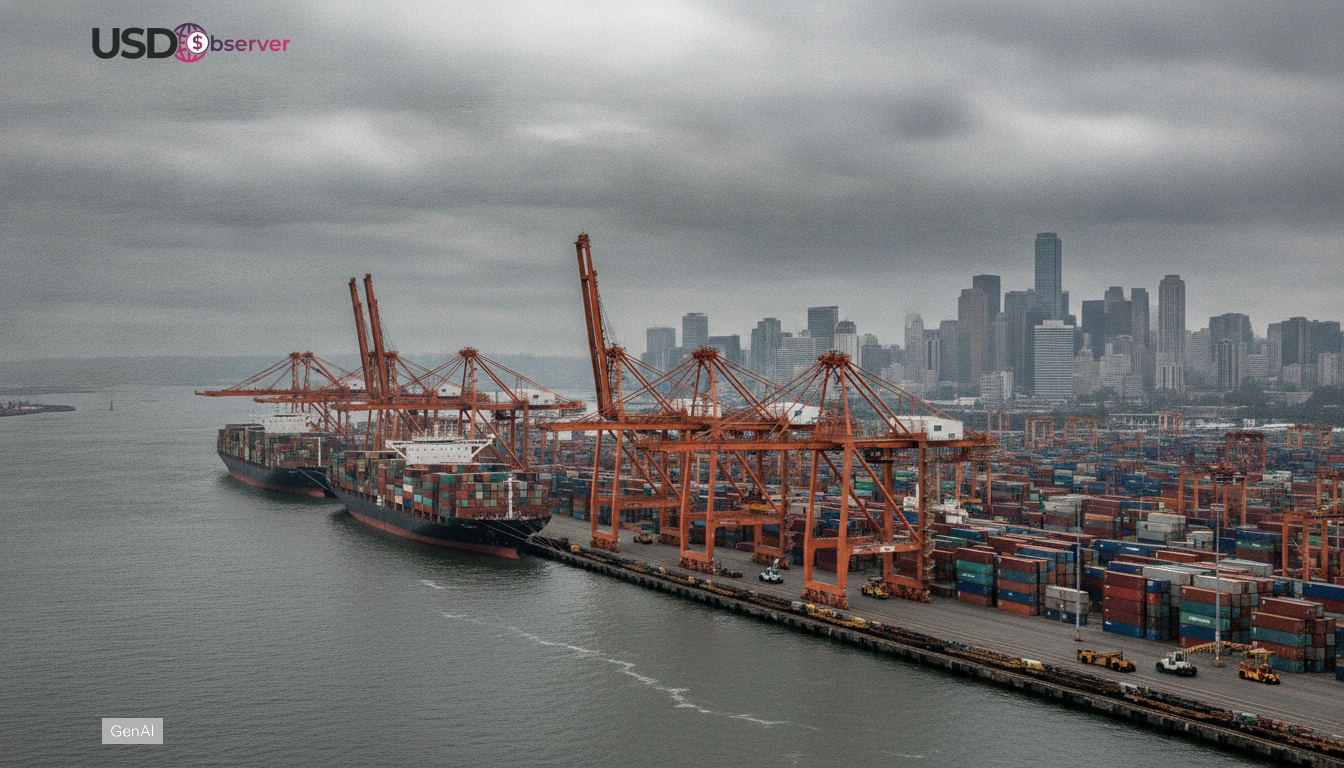
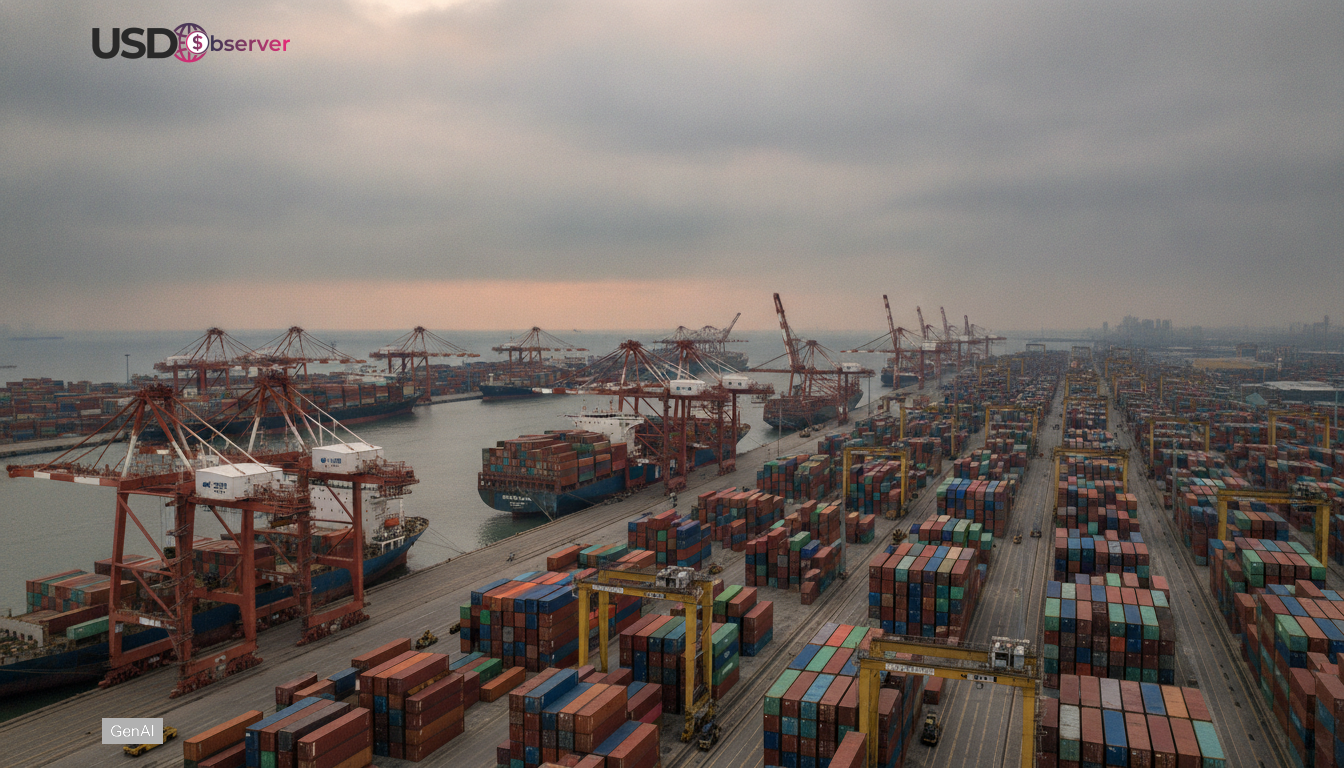
Export performance has become more important as domestic demand softens, but it is also exposed to tariffs, inventory cycles, and shipping costs. The current debate centers on whether net exports can keep offsetting weaker construction, given tighter trade policy in parts of the West. Shipping and port throughput are watched closely, and capacity constraints in key European hubs can influence lead times and costs, as discussed in Port of Rotterdam faces rising pressure for green shift. Export orders matter because electronics, autos, and machinery can swing industrial output quickly when global buyers restock. Customs data is scrutinized for signs that discounting lifts volumes without improving profits, which changes how durable the export cushion seems.
Outlook for Recovery and Implications for Investors
Expectations for the next stage of recovery hinge on whether policy support can revive confidence without re inflating financial risks. History suggests that large credit-driven stimulus can lift output rapidly, but officials have recently emphasized quality of growth and financial stability. The World Bank has argued that productivity reforms and a stronger social safety net could support consumption more durably than construction booms. In 2026, targeted measures aimed at housing completion, small business credit, and consumer services employment will be the focal points for positioning. For oil, the key issue is whether transport and petrochemical demand stabilizes enough to justify higher import baselines. Traders are likely to price a wider band of outcomes across FX, rates, and commodities.