De Beers mine closure: Why output is paused now
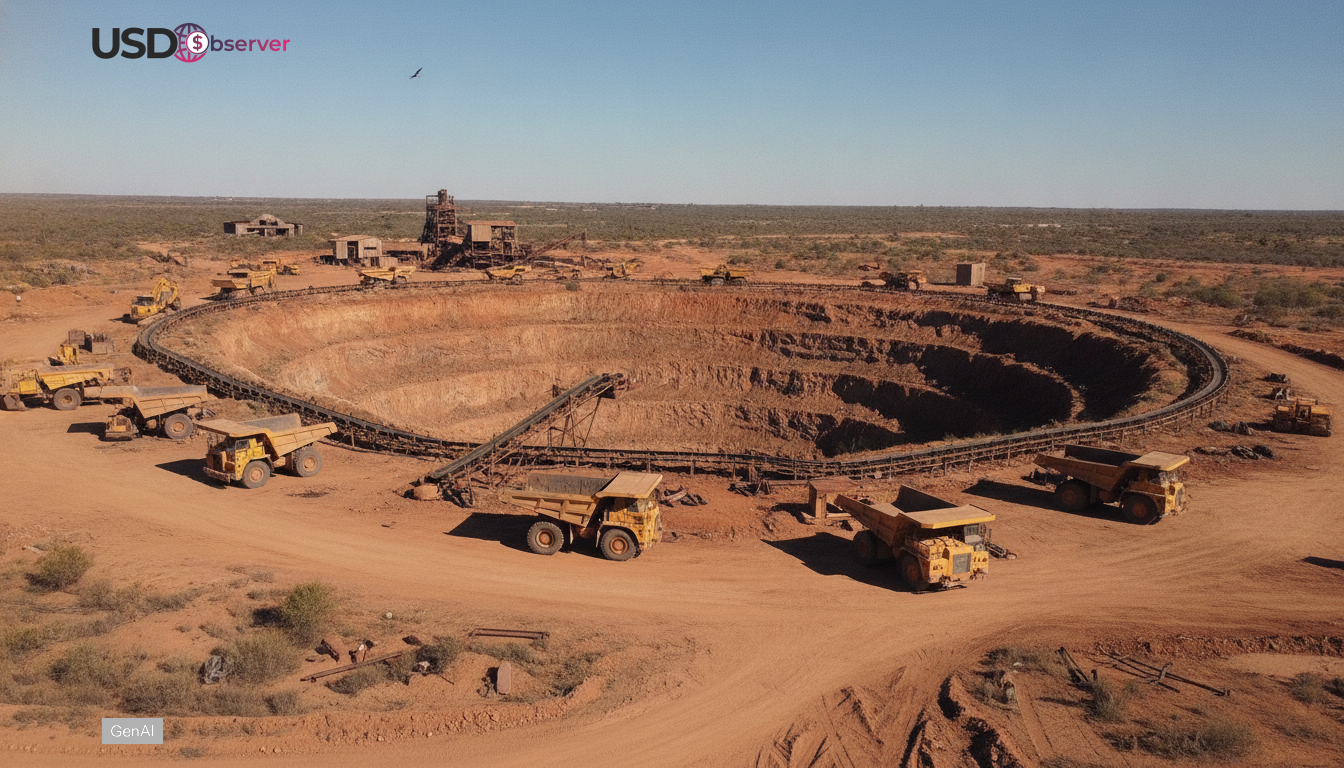
De Beers mine closure headlines followed confirmation that the company has paused work at its flagship South African operation to respond to a slowdown in rough diamond buying. In a statement carried by Reuters, De Beers said the pause is intended to align production with softer demand and elevated inventories across the diamond industry. The group has been managing output more tightly than in prior years, prioritizing cash generation and stock control over volume. South Africa mining officials and local stakeholders are monitoring the pause because the mine supports contractors, transport, and processing. The immediate focus is on workforce scheduling and keeping essential services running while activity is reduced.
Economic impact on jobs, suppliers, and municipal revenue
The stoppage is expected to hit nearby towns where mine wages and procurement support small businesses, from retail to accommodation. Financing conditions also matter for trade settlement and working capital in commodities; see IMF advises that dollar stablecoins may boost FX access but also carry risks. Reuters noted the move reflects weaker demand rather than a safety incident, which shifts attention to income stability for employees and suppliers. Municipal leaders and labor representatives typically seek clarity on the duration of reduced operations, as short stoppages can still disrupt household cash flow and local tax receipts. Community impact will also depend on how much maintenance work continues during the pause.
Global diamond market signals and price implications
Supply discipline from a major producer can support prices, but the broader market is still driven by retail jewelry demand and midstream financing conditions. Reuters has described a buildup of inventories in parts of the cutting and polishing pipeline, which can dampen near-term appetite for new rough. Under these circumstances, a De Beers mine closure can be read as an effort to avoid further oversupply, even if it does not immediately tighten availability in downstream categories. External conditions also matter for luxury spending, and the BBC has tracked how inflation dynamics shape consumer budgets in Gas prices drive down US inflation, but will it last?. The pricing effect will depend on how long buying remains subdued.
What the pause means for commodity investors and FX
For commodity investors, diamonds differ from exchange-traded metals and energy because price discovery is less transparent and inventories are harder to verify. Even so, corporate actions can provide signals about cycle positioning, and a production pause indicates management sees a weaker near-term order book. Analysts often watch how miners balance output against working capital, with a focus on USD funding costs and forex moves that affect margins in producer countries. Related corporate market dynamics can be tracked alongside other capital market events, including SK Hynix US Listing Raises $26.5bn, Lifts Chip Shares, and logistics pressures that can influence commodity trade flows, such as Hormuz Shipping Decline Deepens After Strikes Disrupt Route. The key takeaway is that diamonds can experience longer lags before fundamentals stabilize.
Long-term outlook for De Beers and the natural diamond industry
Over the longer run, producers are likely to emphasize flexibility, lower unit costs, and protect brand premiums where possible. Reuters reporting on the current downturn has highlighted how midstream caution can persist even after retail demand starts to recover, prolonging conservative purchasing. That makes operational levers such as temporary stoppages, deferred stripping, and maintenance-led schedules more common during soft patches. The strategic challenge is to preserve asset integrity and workforce capability while not flooding the market. The industry is also navigating competition from lab-grown stones, which pushes natural producers to defend provenance and scarcity narratives. Reuters and local stakeholders have framed the De Beers mine closure as a short-cycle tool while the sector waits for healthier pipeline financing.