US inflation outlook after the latest CPI print
US inflation data are reshaping rate expectations after the latest US CPI showed headline inflation easing to 3.5%. For investors, the bigger question is what this means for inflation in 2025, when base effects fade and services, rents, and wage growth can matter more than energy. According to the Bureau of Labor Statistics (BLS) CPI release, inflation trends are assessed across categories rather than a single month, and the data keep the debate active over how quickly inflation can return toward the Federal Reserve’s 2% target. Markets may react through Treasury yields and the USD, but one month does not define the cycle. A credible 2025 inflation outlook requires checking which categories are cooling sustainably, which remain sticky, and what shocks could reaccelerate prices.
Gasoline and energy: a swing factor into 2025
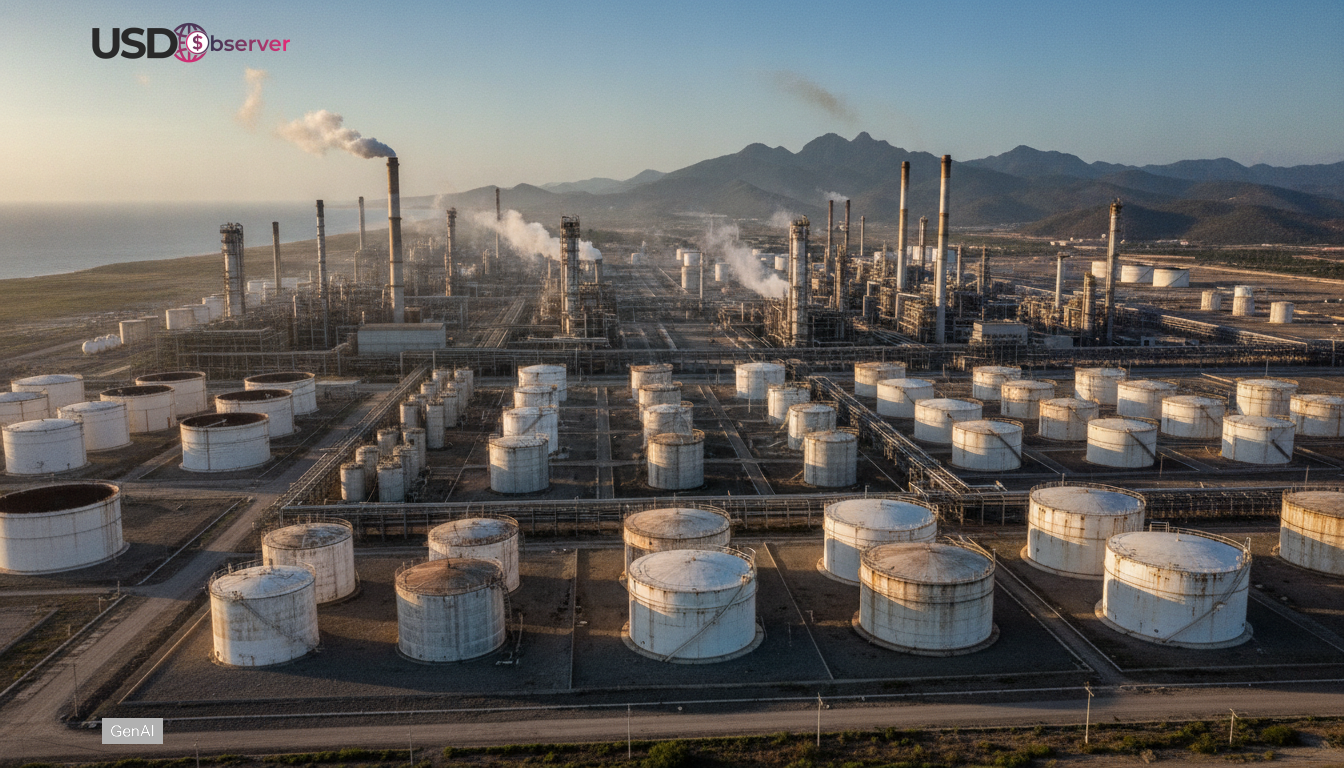
Energy is volatile, but it can dominate headline moves and shape consumer expectations because fuel is purchased frequently. The report on the 3.5% reading tied the softer number to lower gasoline prices and how quickly energy can swing month-to-month inflation outcomes. BBC coverage of the US inflation rate easing to 3.5% notes the same dynamic. For inflation scenarios into 2025, traders are watching whether crude supply, refining capacity, and seasonal demand keep fuel costs contained or allow a rebound that lifts headline CPI again. Cheaper fuel can also reduce transport costs that feed into goods prices with a lag, though the timing can vary by category. If energy rises again, a better core trend may still coexist with noisy headline inflation.
Sticky services, shelter, and the Fed policy path
Beyond gasoline, the 2025 story depends on services inflation and shelter, which typically respond slowly to tighter policy. Federal Reserve officials have said they need greater confidence inflation is moving sustainably toward 2%, which is why each CPI print can influence expectations for the rate path into 2025. A steady cooling in rent-related measures would support a softer inflation trajectory, while firm wage growth could keep service prices elevated. Investors also monitor financial conditions and dollar liquidity because they can affect demand and risk sentiment, with recent volatility discussed in Stablecoin Market Faces Redemptions and Potential Liquidity Changes. Related stresses in dollar proxies can change rapidly during volatility. The mix of shelter disinflation and labor-market resilience will help set the tone.
Global spillovers: USD, trade routes, and inflation inputs
US disinflation affects the global economy through yield differentials, capital flows, and the dollar, which can influence import prices. A softer US rate path could weaken the USD and ease imported inflation abroad, potentially giving some central banks more room to cut, though outcomes depend on domestic conditions. However, supply-side disruptions can still add cost pressure even if domestic demand cools, and for us inflation 2025 this keeps shipping and commodity inputs in focus. Freight, insurance, and commodity inputs are closely watched when trade routes are disrupted, and those dynamics can filter into US prices too, as reflected in reporting such as Hormuz Shipping Decline Deepens After Strikes Disrupt Route. If logistics costs surge, they can slow progress on goods disinflation and complicate the 2025 outlook.
Scenarios for 2025 inflation: what to watch next
Three practical signals matter for the next stage, using categories tracked in the CPI report: whether core services ex shelter decelerates, whether shelter measures keep cooling, and whether energy stays contained. If those align, inflation in 2025 could trend closer to target and allow a gentler policy stance without reigniting demand. If services remain sticky or energy rebounds, inflation may settle above target and keep rates higher for longer, as many analysts caution. The 3.5% print is directionally encouraging but not definitive, and markets will keep repricing around each inflation data release as businesses plan for volatility in input costs, financing rates, and FX. The best guide into 2025 will be a sequence of consistent readings across categories, not a single headline move.