North American trade deal renewal blocked by US
The US has blocked a long-term renewal proposal in ongoing talks over the North American trade deal, stating the pact should be revisited on a shorter schedule. In guidance dated June 2026, the Office of the United States Trade Representative indicated Washington prefers periodic reassessment rather than a 16-year automatic extension tied to review milestones. Negotiators mentioned the disputed clause would have locked in a long-duration rollover if set conditions were met. US officials noted the agreement stays in force while talks continue, and that any changes should run through existing review and enforcement tools rather than a new long-term commitment.
Why the US rejected a 16-year renewal clause
US negotiators framed the decision as a way to preserve leverage for future compliance checks and enforcement, rather than committing to a multi-election-cycle horizon. For a related view of how market infrastructure reacts to policy headlines, see Tradeweb pilots tokenized Treasury transactions via stablecoins, and officials mentioned the administration wants review triggers and remedies to be measurable and repeatable, especially if disputes escalate. Businesses reading the signal stated the risk is not immediate tariff action but less certainty for planning beyond annual or multi-year contracts.
Near-term effects on supply chains, tariffs, and pricing
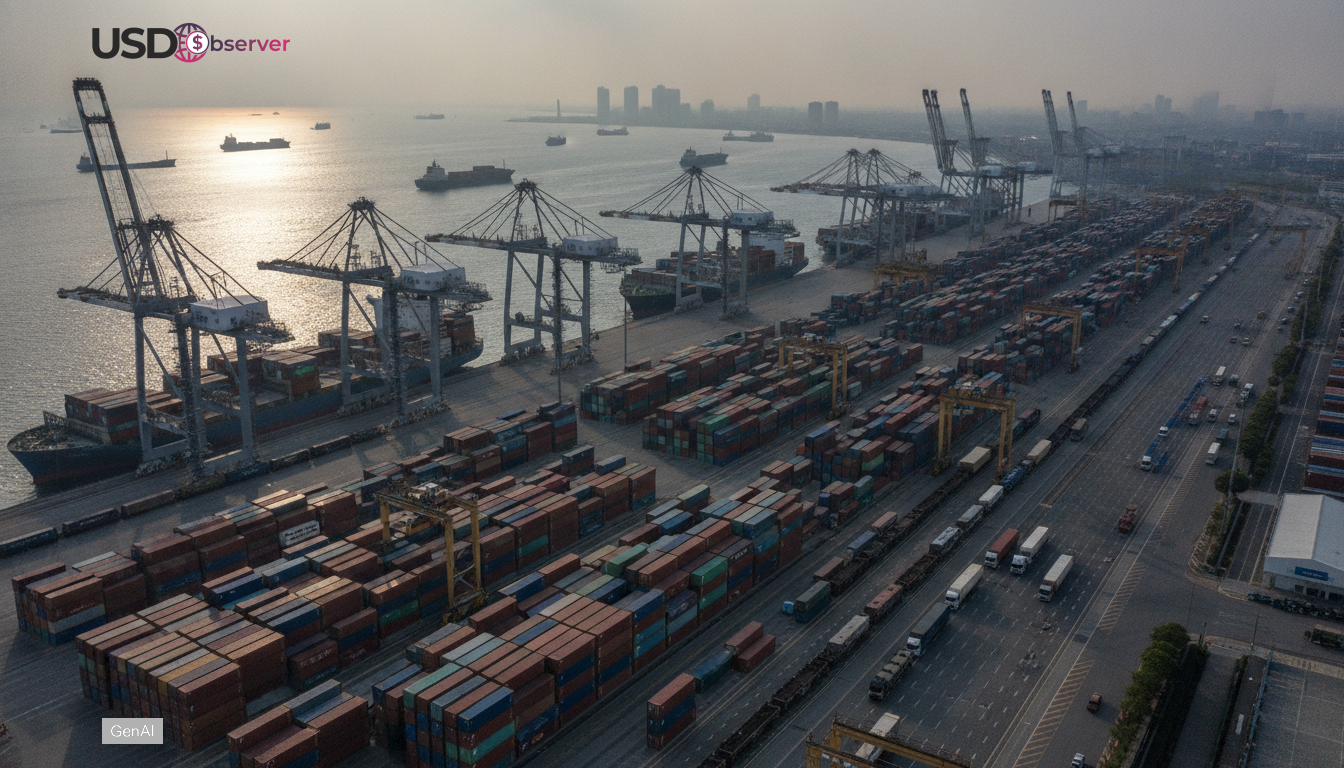
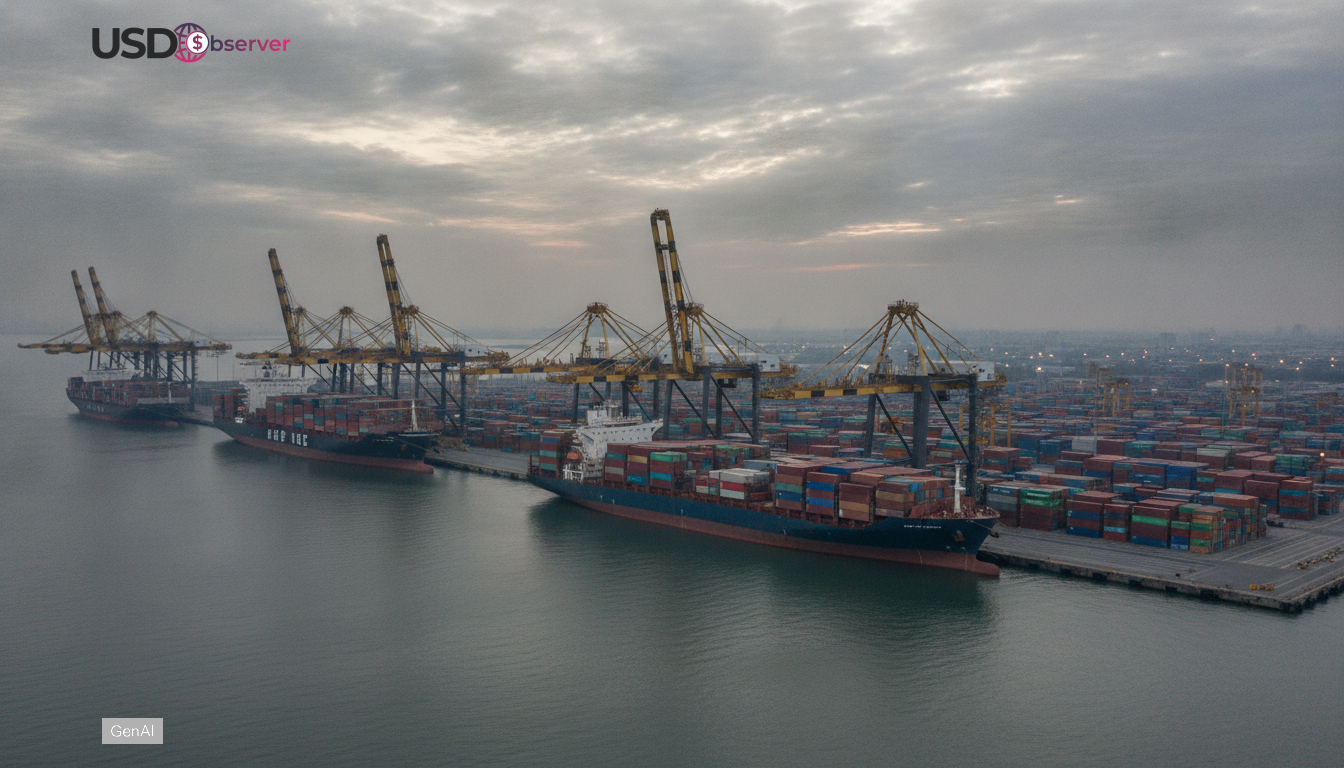
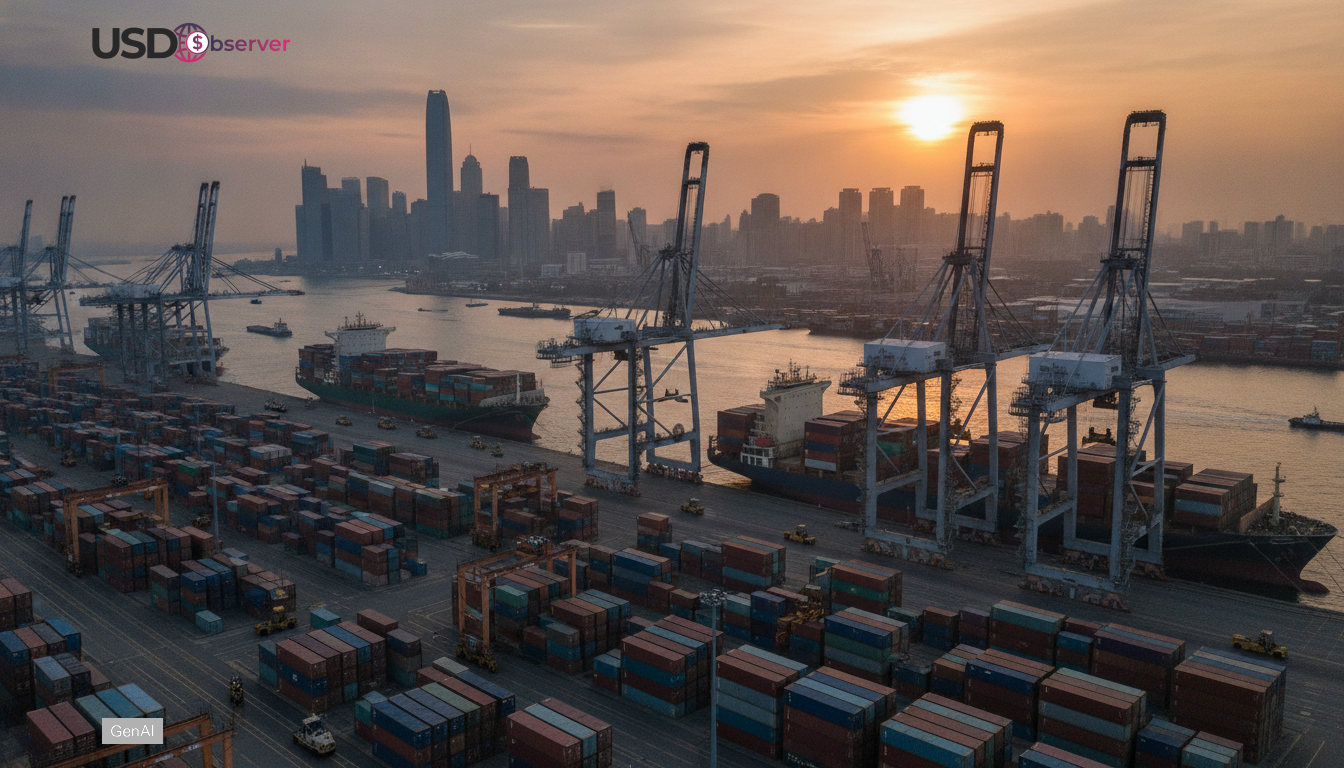
Trade lawyers and cross-border firms focused first on whether the stance changes market access now, and USTR officials noted no new tariffs were triggered by the negotiating position. Even so, companies with exposure to cross-border inputs indicated they may reprice contract risk if long-horizon predictability is reduced, especially in autos, agriculture, and advanced manufacturing. For context on how timing pressures can build around macro data, the BBC reported World Cup boom falters as US hospitality jobs fall in June, and currency desks also monitor shifts in expected export volumes that can move USD and forex hedging costs.
Canada and Mexico response to North American trade deal uncertainty
Canadian and Mexican officials emphasized continuity and stated that review processes should preserve predictable access for exporters. Canada noted it will pursue outcomes that protect integrated supply chains and existing enforcement tools, while Mexico reiterated that regional competitiveness depends on stable rules and clear timelines. As indicated by separate US debates on technology controls, which show how policy can influence trade channels, as covered in Anthropic Export Controls Adjusted Amid US AI Review, their public messaging aimed to separate the renewal dispute from operational cooperation at ports of entry and in sector committees. Some industry groups urged negotiators to clarify the scope of reviews for energy and agri-food shipments.
What comes next for the North American trade deal talks
Next steps hinge on whether negotiators can bridge differences without rewriting core review provisions while still giving businesses clearer expectations. Trade counsel indicated talks may center on how disputes are sequenced, what consultations require, and how quickly panels can be formed, rather than reinstating a single long-extension clause. The North American trade deal issue is likely to stay in headlines because it intersects with electoral politics, industry lobbying, and investment decisions. Officials in all three capitals said technical workstreams will continue so day-to-day customs administration remains stable while negotiators pursue workable text.