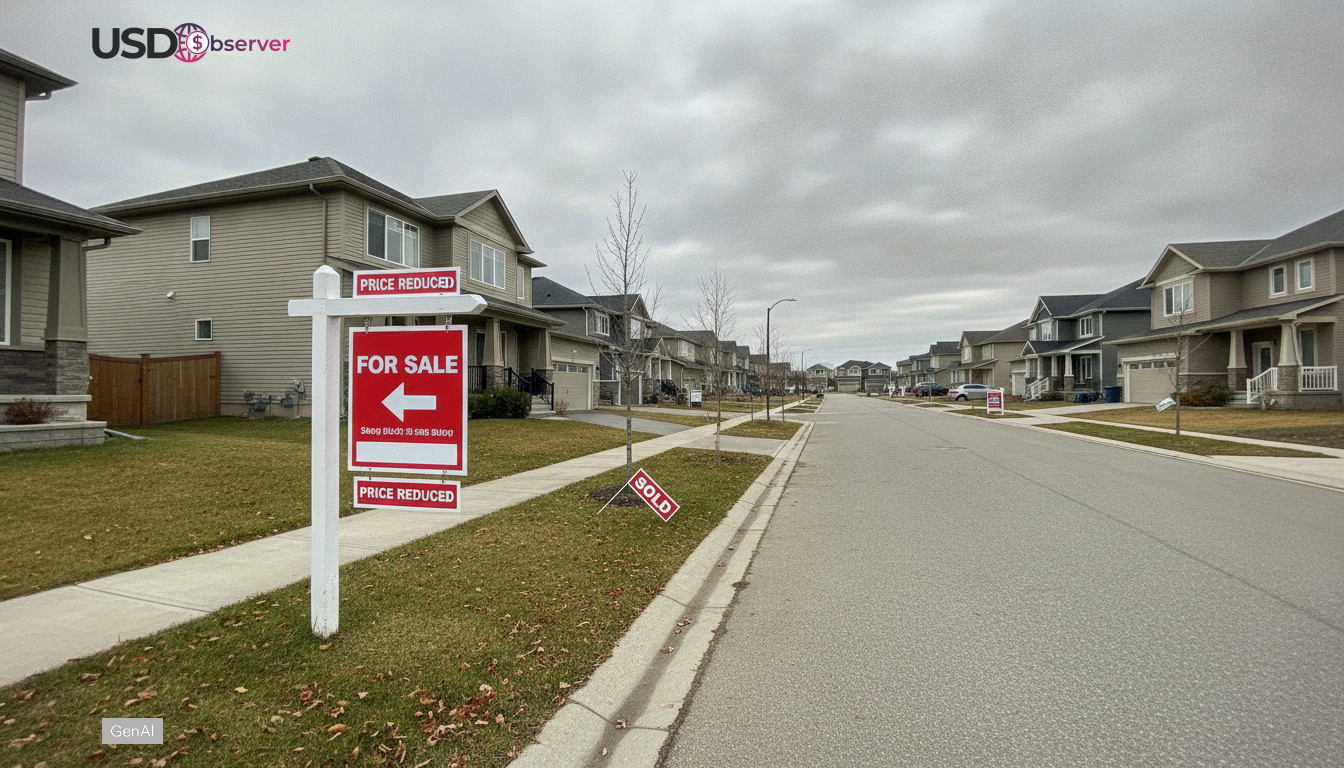
High pollen count disrupts home tours and open houses
A high pollen count can turn a simple Saturday of showings into a stop-and-start schedule, especially for families managing allergies. When congestion and fatigue hit, some buyers may shorten tours, skip certain neighborhoods, or reschedule to days with better air, reducing the number of homes they can evaluate in one trip. That can matter in 2026 if affordability remains strained: higher monthly payments and limited inventory can mean each missed viewing delays decisions. Agents often describe the impact as most visible during spring spikes, when more listings typically come to market but buyers also juggle antihistamines, masks, and timing around peak pollen hours. The added friction can stack on top of financial pressures.
Why spring allergy conditions can shift buyer behavior
Allergy-related disruptions are not just discomfort; they can change how buyers compare homes. Shorter tours can reduce attention to layout, HVAC condition, and odors, while watery eyes and headaches can make a property feel worse than it is. Some agents report more requests for virtual walkthroughs on heavy pollen weekends and more clustered appointments to limit time outdoors, though this varies by market and client. Even when interest is real, a high pollen count can reduce how many home tours buyers complete in a weekend. In places where homes are already taking longer to sell, these small delays may extend listing timelines by days or weeks rather than changing overall demand on their own. For a broader view of how USD liquidity and hedging costs can filter into rate-sensitive sectors, see Stablecoin USD shifts reshape crypto and forex liquidity.
Mortgage rates still set the ceiling on affordability
Even with allergy season in play, financing costs remain the main constraint for many households. Higher mortgage rates generally increase monthly payments and can push some buyers out of qualifying ranges, shrinking the pool of offers. According to reports, buyers are pausing searches or lowering budgets as elevated rates persist. Some sellers respond with temporary rate buydowns or closing cost credits, while others withdraw listings and wait, according to agents citing examples from the April 2026 spring selling season rather than a single universal pattern. For readers tracking policy and macro signals that shape mortgage pricing, Middle East conflict: rates, oil, and inflation outlook offers context on how inflation expectations can move bond yields and, in turn, mortgages.
Market dynamics
Transaction volume can come under pressure even where prices are not collapsing, depending on local conditions. Analysts often note that longer days on market tend to coincide with more renegotiations after inspections and a higher share of seller concessions, especially when buyers are watching total cash to close, but the mix varies widely by metro and price tier. If you follow how regulation and payment rails can affect broader risk appetite and funding conditions, Fed Signals Expansion of Stablecoin Channels Beyond Banks provides a cross-market reference point. When a high pollen count weekend interrupts open houses and tour schedules, the near-term effect can be fewer same-week offers and more staggered decision-making, which may increase the chance of a deal cooling as buyers keep shopping. In that sense, timing—not just price—can become a bigger variable in outcomes.
Practical steps for buyers and sellers during peak pollen
Buyers can reduce friction by prioritizing fewer, higher-quality home tours, confirming filter and HVAC details in advance, and choosing time windows that may feel more comfortable; in many areas, pollen can be higher in the morning, though daily patterns vary by region and weather. Sellers can help by replacing HVAC filters, ventilating before showings, and disclosing any indoor air upgrades that improve comfort. On the finance side, both parties can benefit from realistic timelines, since delayed tours can slow offer cycles and extend rate-lock decisions. Legal and institutional confidence also plays a role in expectations; Supreme Court ruling reinforces Federal Reserve governance highlights governance issues that markets watch when pricing policy paths. A high pollen count will not determine mortgage rates, but it can shape weekly showing patterns and, for some households, conversion from tours to offers.
Trends in housing and pollen influence
Emerging trends suggest that high pollen counts might increasingly influence seasonal housing market dynamics. Reports indicate that regions experiencing higher pollen levels may see more virtual tours and strategic scheduling to mitigate buyer discomfort. Understanding these dynamics can prepare stakeholders for potential shifts in market behavior.