Inflation UK 2026: why Iran war risk is hitting UK prices
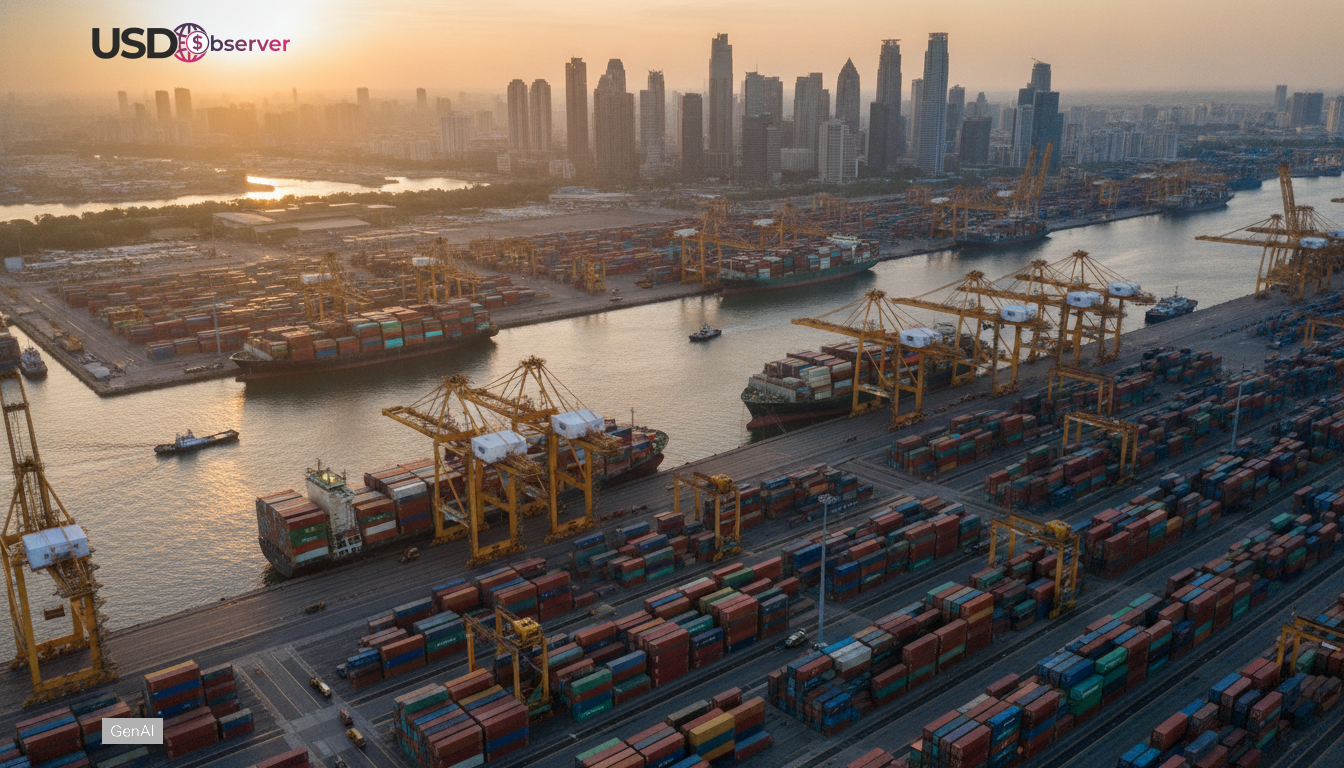
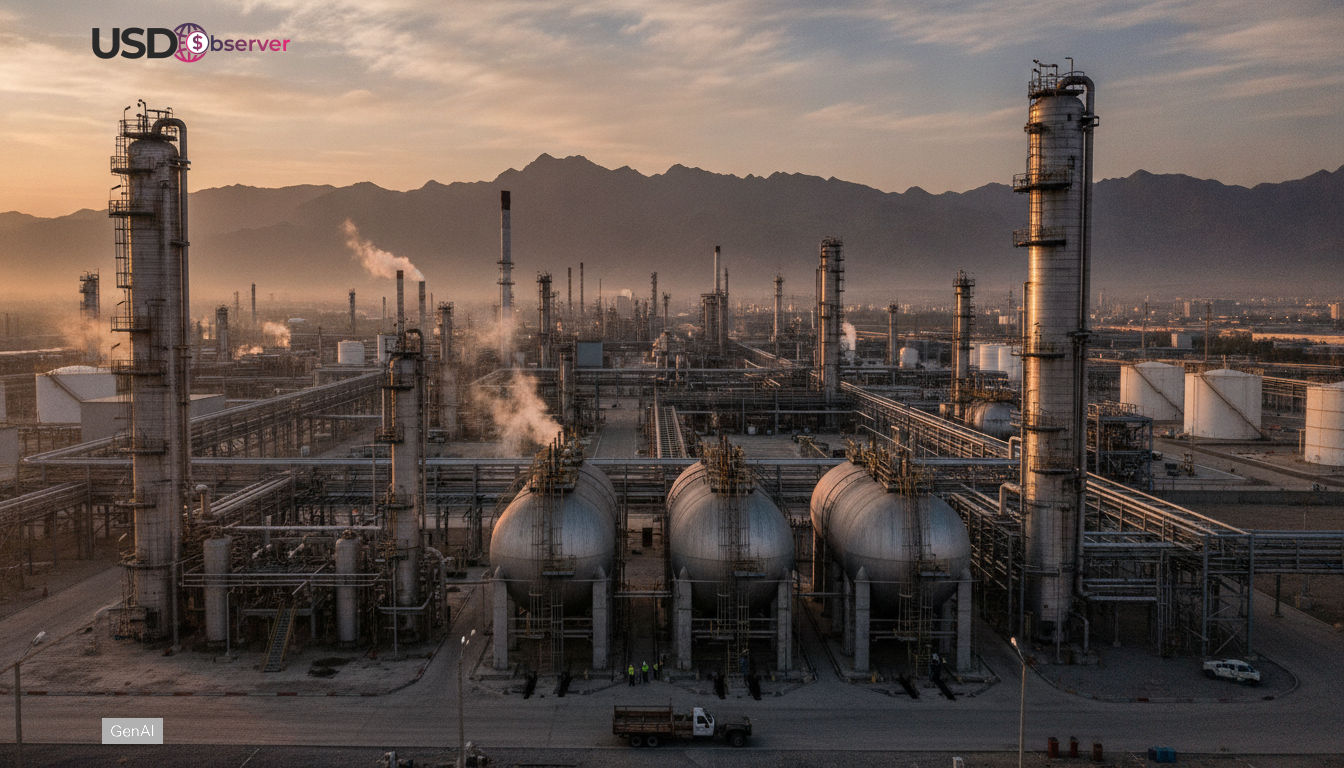
Inflation uk 2026 is being reassessed as conflict involving Iran raises the risk of energy and shipping disruption that could feed into UK fuel, freight, and food costs. When oil and refined product prices move, UK pump prices and delivery surcharges can follow within weeks, then filter into retail pricing with a lag, according to widely cited industry pass-through patterns reported by fuel market analysts and UK media. A stronger US dollar during risk-off episodes can add pressure because key commodities are typically dollar priced, as indicated by market commentary. UK policy makers, including the Bank of England, watch whether an imported shock becomes persistent through wages, rents, and services, since those categories can keep inflation elevated for longer. That is why near-term volatility can matter for the UK inflation 2026 outlook, even if energy prices later retrace.
How energy and shipping costs flow into CPI
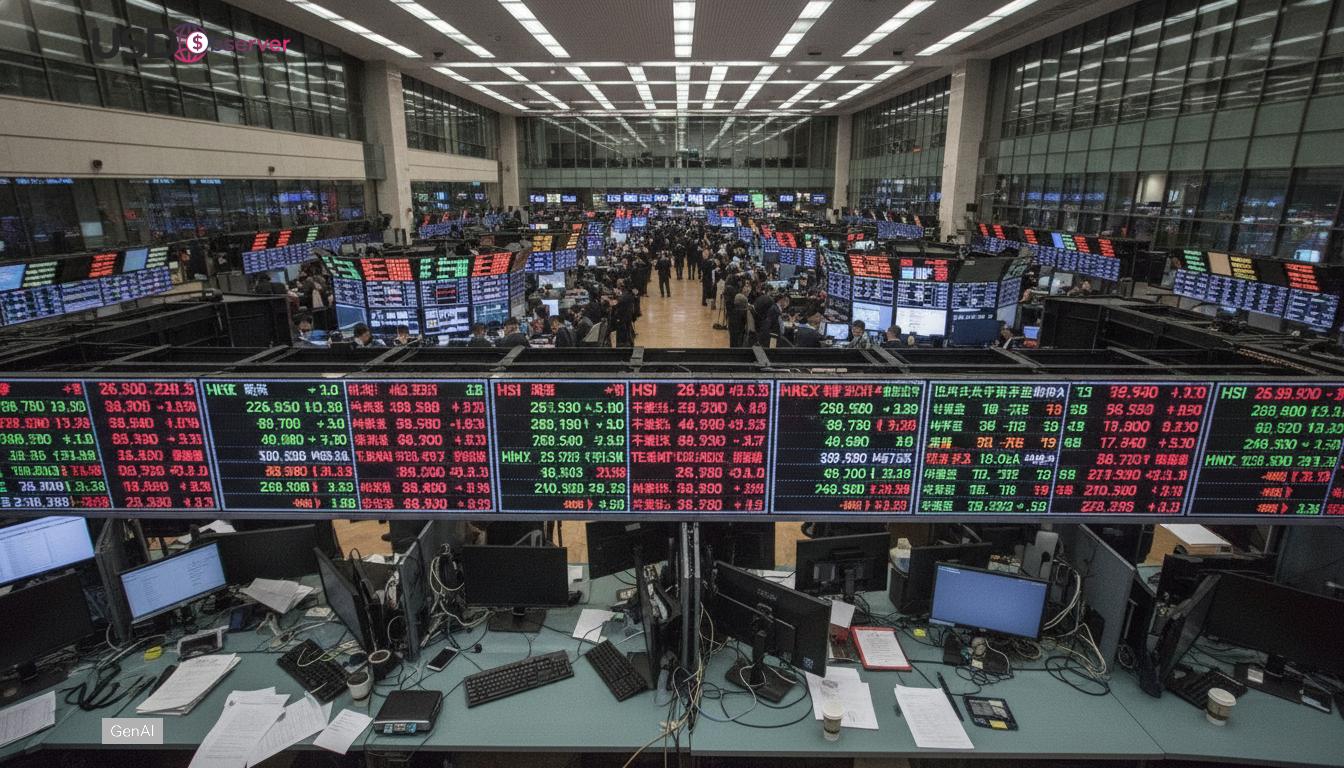
Energy traders often reprice risk when supply routes appear vulnerable, and the UK is exposed because road fuels and many imported goods reference global benchmarks, according to available reports. The Office for National Statistics (ONS) CPI includes components such as motor fuels and transport services, according to ONS methodology and CPI category definitions, so a sharp move can show up relatively quickly in monthly prints. Replacement-cost pricing can also matter: wholesalers and retailers may reset contracts after receiving higher quotes for the next shipment, which can lock in increases for a quarter or more, according to common retail and supply-chain contracting practices described by industry sources. For readers tracking the specific channels from geopolitics to pump prices, US-Iran energy deal: how it could move UK fuel prices outlines how wholesale changes may reach consumers. Liquidity conditions can amplify moves; see State Street money market fund targets stablecoin reserves for how demand can shift toward cash-like instruments during volatility, particularly around key month-end rebalancing dates.
Bank of England response and rate path for 2026
The Bank of England says it aims to prevent external price shocks from feeding into domestic wage and services inflation, consistent with its inflation-targeting mandate and communications. Its Monetary Policy Committee typically focuses on persistence: if firms reset annual prices higher and households seek compensating pay rises, inflation can remain above target well after energy prices peak, as central-bank analysis and economists often highlight. A key question for inflation uk 2026 is whether expectations stay anchored around the 2% target or drift higher, which can influence pricing and pay bargaining, according to standard monetary-policy frameworks. A recent BBC report on UK inflation unexpectedly steady as food price rises slow shows how category-level moves can offset, even when headline pressures persist. Global rate cycles also matter; diverging policy paths can move GBPUSD, potentially changing the sterling cost of imported energy and goods, as discussed in foreign-exchange market commentary after the latest MPC vote.
Where households may feel it most: fuel, food, and services
Households tend to feel imported shocks first through transport, then through food processing, packaging, and distribution because energy is an input across supply chains, as supply-chain analysts commonly note. Food and non-alcoholic drinks have a meaningful weight in the CPI basket, according to ONS CPI weights, so even modest increases can squeeze real incomes, especially for renters and commuters. Services inflation remains a key watchpoint because it reflects labour costs and rent pressure more than imports, and it can stay firm even after commodity prices ease, as the Bank of England and economists frequently discuss. If firms pre-emptively raise prices ahead of contract renewals, the inflation uk 2026 path can look stickier than the initial shock implies. For broader context on how resilient demand can complicate disinflation, US economy in 2025: why growth keeps surprising explains why growth surprises can keep price pressures alive in major economies, including during the 2024–2025 disinflation phase.
UK inflation 2026 scenarios and how to reduce exposure
Forecasts are being updated as analysts revise oil assumptions and the duration of disruption risk. Some market commentary and bank research notes use rules of thumb suggesting that a sustained US$10 per barrel rise in crude could add a few tenths of a percentage point to UK inflation over the following year, depending on the exchange rate and how much is absorbed in margins; the effect size varies by model and period and is not a fixed relationship. The most adverse UK inflation 2026 outcomes are generally associated with higher energy and freight costs triggering second-round effects in pay and services pricing, as central banks often warn. Mitigation is about limiting pass-through: targeted support for vulnerable households, competition that speeds up price cuts when wholesale costs fall, and business hedging that matches expected cash flows rather than speculation. For another lens on how policy shifts abroad can spill into UK pricing via FX and rates, Bank of Japan rate hike hits highest level in 31 years shows how global tightening can move currency and funding markets, which can matter around major central-bank meeting weeks.