US-Iran energy deal: what it is and why markets react
According to available reports, the agreement has been seen as a potential step toward reducing near-term disruption risk in Middle East oil flows. This perspective may influence market movement even before tangible supply changes occur. In early trading, analysts considered how quickly the embedded risk premium in crude prices could unwind, alongside whether compliance and shipping constraints might still limit real barrels. Even if diplomacy improves, traders often price two tracks at once: potential future supply increases and the possibility that sanctions enforcement, insurance costs, and contracting tensions may keep volumes capped. For UK drivers, the focus is on how rapidly wholesale benchmarks and refined product spreads adjust and transition through to the pump.
Global oil price channels after the announcement
Oil prices are known to respond quickly since futures markets adjust geopolitical risk pricing into near-term hedging costs for various sectors. The BBC reported that oil prices fell and shares rose after the deal announcement, suggesting a softer risk premium rather than an immediate supply increase, see https://www.bbc.com/news/articles/c6217106px6o?at_medium=RSS&at_campaign=rss. Analysts focused on the speed at which benchmark curves could adjust. For the UK, Brent-linked wholesale pricing and refining margins can shift rapidly, even while shipments may take longer. For a separate market viewpoint, see Tether surpasses Ethereum briefly, reshaping crypto focus, which can be considered before evaluating how spreads affect UK fuel costs.
UK petrol and diesel prices: timing, taxes, and margins
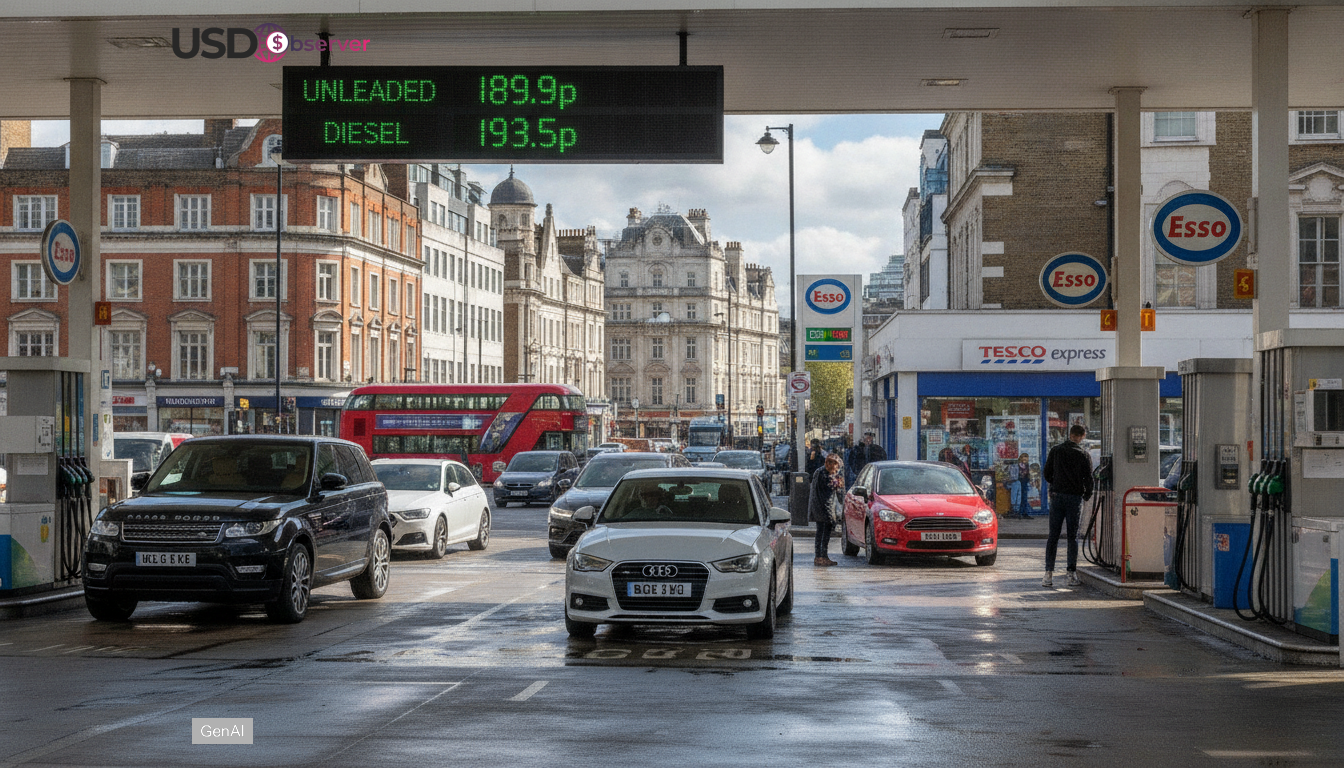
UK pump prices often lag behind wholesale changes because retailers deplete existing inventory bought at prior prices, adjusting based on local competition. Additionally, fuel duty and VAT ensure a significant fixed component in the final price. The BBC’s feature on UK petrol and diesel prices post-deal indicates that outcomes are tied more to wholesale costs and refining margins than solely to political factors, see https://www.bbc.com/news/articles/c20zgjzz0e4o?at_medium=RSS&at_campaign=rss. This explains why forecourt timing can vary by retailer. Changes in Tehran–Washington relations could manifest differently across products: petrol might decrease if gasoline cracks soften, while diesel could remain firm if middle distillate balances stay tight due to demand and supply issues. More context on household cost pressure is available in Global economy: debt pressures lift household costs, detailing how energy costs impact essentials.
Medium term implications for inflation and the UK economy
If the US-Iran energy deal contributes to steadier crude pricing over months, the broader consequence might be decreased volatility affecting inflation expectations and rate sensitivity. The Bank of England has noted that energy price fluctuations can shift headline inflation and influence wage bargaining even in times of weak demand, as discussed in recent Monetary Policy Report commentary. However, cheaper crude does not guarantee widespread cost relief, since factors like electricity networks, non-energy inputs, and retail margins play crucial roles. UK diesel remains sensitive to policy constraints and supply substitution risks that could negate crude-driven reductions. For additional reference on fuel market exposure, see UK Russian diesel ban tightens fuel sanctions timeline, which explores the impact of sanctions on middle distillates.
What to watch next: compliance, shipping, and wholesale spreads
Future developments depend on compliance specifics, shipping capacity, and refiners’ willingness to engage in long-term purchases without adding new risk buffers. The BBC also assessed how the deal may influence oil prices and food costs, pointing out that reduced energy input prices can alleviate pressure on transport-intensive supply chains, see https://www.bbc.com/news/articles/cd0p8me2m5do?at_medium=RSS&at_campaign=rss. Traders will be attentive to any renewed Gulf risks that could reportedly lead to increased insurance premiums and route disruptions. For UK households, the key factor is whether wholesale product spreads remain compressed long enough to allow retailer competition to reflect savings rather than relying on a single headline change.