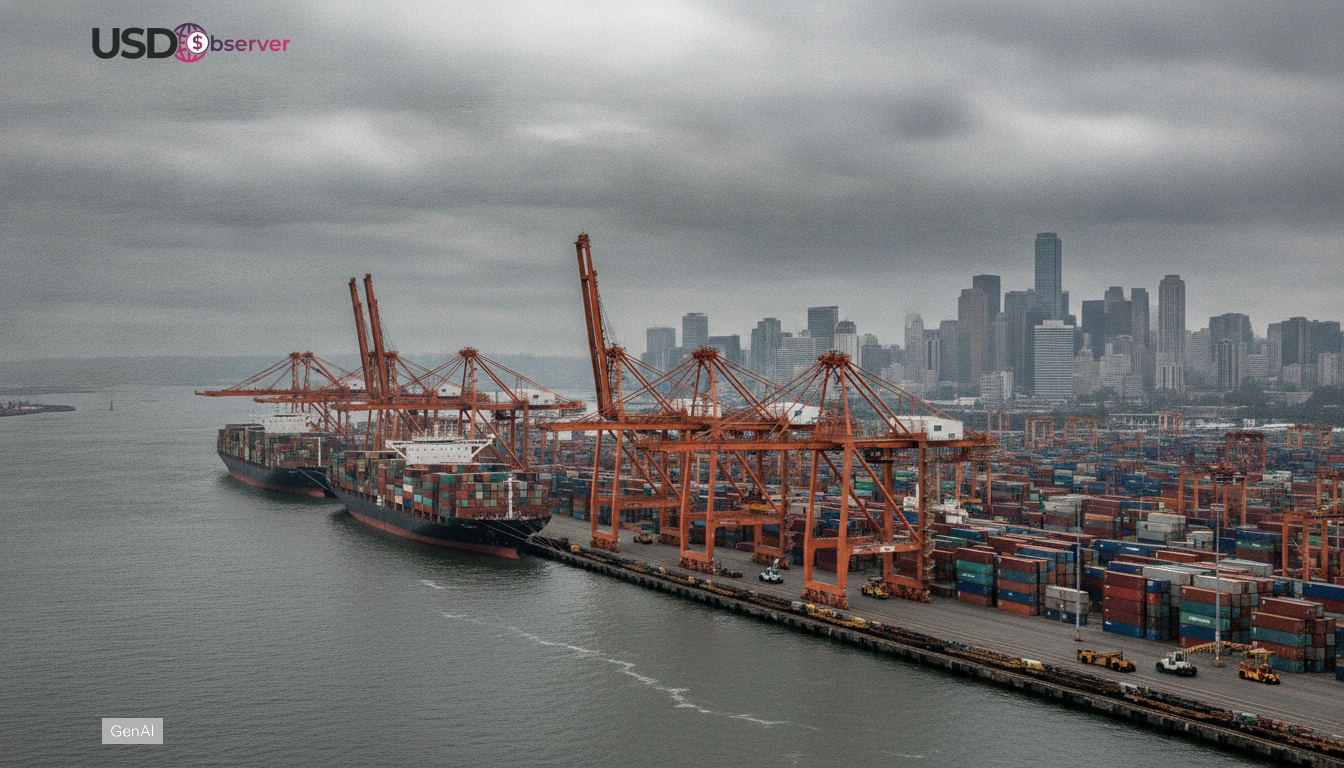
Countries Reducing Dollar Dependence
Governments and central banks worldwide are increasingly adopting strategies to conduct trade without relying on the dollar. This list is dynamic, evolving with new policy updates. In Latin America, Brazil has broadened local currency settlement options with crucial trading partners. Argentina has also explored alternative arrangements for imports as liquidity tightens, as highlighted by the Central Bank of the Argentine Republic. Across Asia, China is actively promoting renminbi settlements through its Cross Border Interbank Payment System, according to the People’s Bank of China. While market pricing still references the dollar, this shift is evident in invoicing, swap lines, and bilateral payment systems.
Key Drivers Behind the Shift
Various factors are contributing to this trend, and they vary significantly by region and political context. Some governments cite sanctions risk and payment friction as primary catalysts, while others are reacting to fluctuations in funding costs and exchange rate hedging. The IMF’s COFER framework indicates that the composition of reserves can evolve as market conditions change. Digital payments and stablecoin infrastructure are also emerging as tools that enhance settlement efficiency, as discussed in Tether, Circle, and the Push for Stablecoin Rules. Additionally, domestic political pressure to mitigate imported inflation sensitivity is influencing these changes.
Global Economic Implications
The immediate impact is characterized by gradual shifts in liquidity and pricing mechanisms rather than a drastic break. When trade is increasingly invoiced in local currencies, there may be a slight reduction in demand for short-term dollar funding. This could influence cross-currency basis and hedging costs, ultimately affecting commodity pricing, even though most benchmarks remain dollar-denominated. Traders monitor these interconnections closely, alongside interest rate expectations, making discussions around the US dollar’s role as a reserve currency a regular fixture in macroeconomic analysis. Tools like USD CAD downtrend analysis serve practical positioning needs. Policy shifts can amplify market movements, particularly when significant headlines arise.
The Future of the US Dollar
Looking ahead, scenarios increasingly suggest fragmentation instead of outright replacement, with the dollar continuing to hold a central position while facing heightened competition in certain corridors. The BIS has elaborated on how initiatives in cross-border payments and enhanced interoperability may decrease reliance on traditional correspondent banking, which has historically bolstered dollar usage. In such an environment, the share of the US dollar as a reserve currency may decline slowly, yet it retains its critical function in global crisis liquidity, where dollar swap lines remain essential. Regionalization is becoming more apparent: Asia favors renminbi channels, some Gulf states experiment with non-dollar invoicing in trade with Asia, and sanctioned economies are pursuing workarounds. Ongoing constraints like capital controls and convertibility limitations will also shape the pace of these developments.
Insights from Experts
Economists assert that a currency’s reserve status rests on convertibility, reliable institutions, vibrant markets, and open capital accounts—not mere rhetoric. The IMF’s annual discussions surrounding reserve currencies reveal that portfolio managers prioritize liquidity and legal protections, reinforcing the US dollar’s standing even amid growing diversification. This is why the US dollar remains a critical benchmark, particularly in times of economic stress. Market strategists have noted that corporate behavior often lags behind official declarations because businesses tend to hedge where liquidity is most favorable and compliance is most straightforward. Market conditions can therefore perpetuate this inertia during moments of stress, where practices favor US Treasuries and dollar cash. A key takeaway is that while payment systems may adapt more rapidly than reserve portfolios, settlement diversification could indeed outpace any changes in official reserves, influencing how desks interpret market narratives.