Crisis Driving Demand for U.S. Dollars
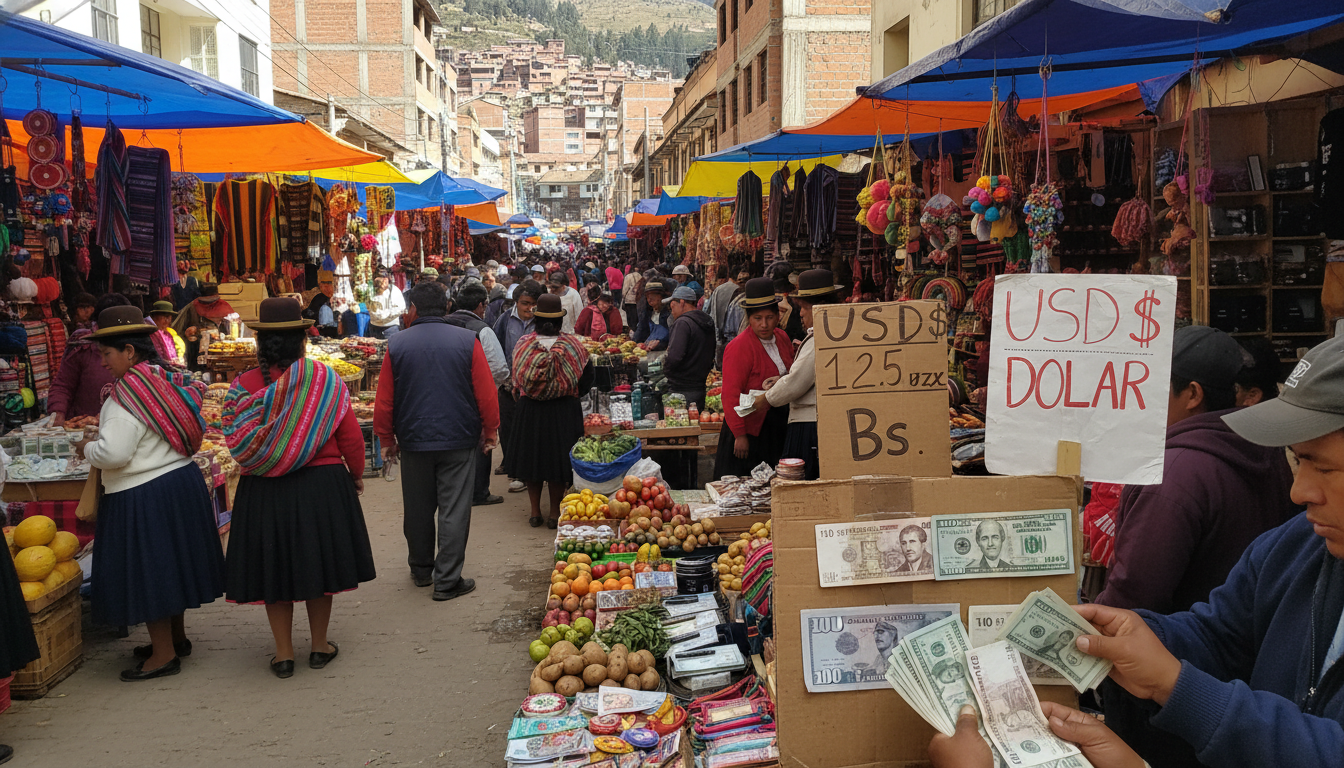
Bolivians are scrambling for cash dollars as shortages deepen across banks and exchange houses. On the ground Today, importers and households describe waiting days to find bills for travel, savings, and essential purchases. Marketplace reported that the shortage is pushing street trading and informal brokers into the open, with a widening gap between official and street pricing. That gap is now the center of the Bolivia dollar black market, where buyers pay a premium to secure immediate liquidity. Live conversations with small businesses in La Paz and Santa Cruz show firms prepaying suppliers or delaying orders when they cannot source hard currency. The resulting rationing is tightening daily commerce and worsening confidence.
Impact on Local Economy and Global Implications
The stress is spilling into prices for goods tied to imports, including fuel inputs, medicines, and industrial parts, traders say in Live interviews broadcast by local radio stations. The Bolivia economy is absorbing the shock through higher transaction costs and a rise in cash only deals, while firms with dollar obligations face delays. For readers tracking broader dollar plumbing, the parallel market dynamic echoes crypto settlement discussions covered in USDC Minted 250M Sparks a Major Market Shift, and an Update from the central bank is closely watched because any restriction on access can instantly move street premiums. For a global comparator on cost pressures, the BBC noted market scrutiny in its piece on fuel price-gouging watchdog findings. Currency stress can quickly transmit into supply chains.
Government Measures and Public Response
Authorities are trying to defend the formal exchange system while signaling that speculation will be punished, yet people still seek U.S. dollars for routine security. In recent Update briefings, officials have emphasized monitoring of exchange points and compliance checks, even as demand remains concentrated in cash. Marketplace described how some workers and small firms shift savings into dollars immediately after receiving local currency, to avoid further loss of purchasing power. That behavior sustains the Bolivia dollar black market even when enforcement is visible. To compare how black market reference rates become everyday pricing tools, see USD to Naira Black Market Rate Watch, April 30. Live trading chatter now influences quotes for rents, electronics, and cross border services.
Comparisons with Other Currency Crises
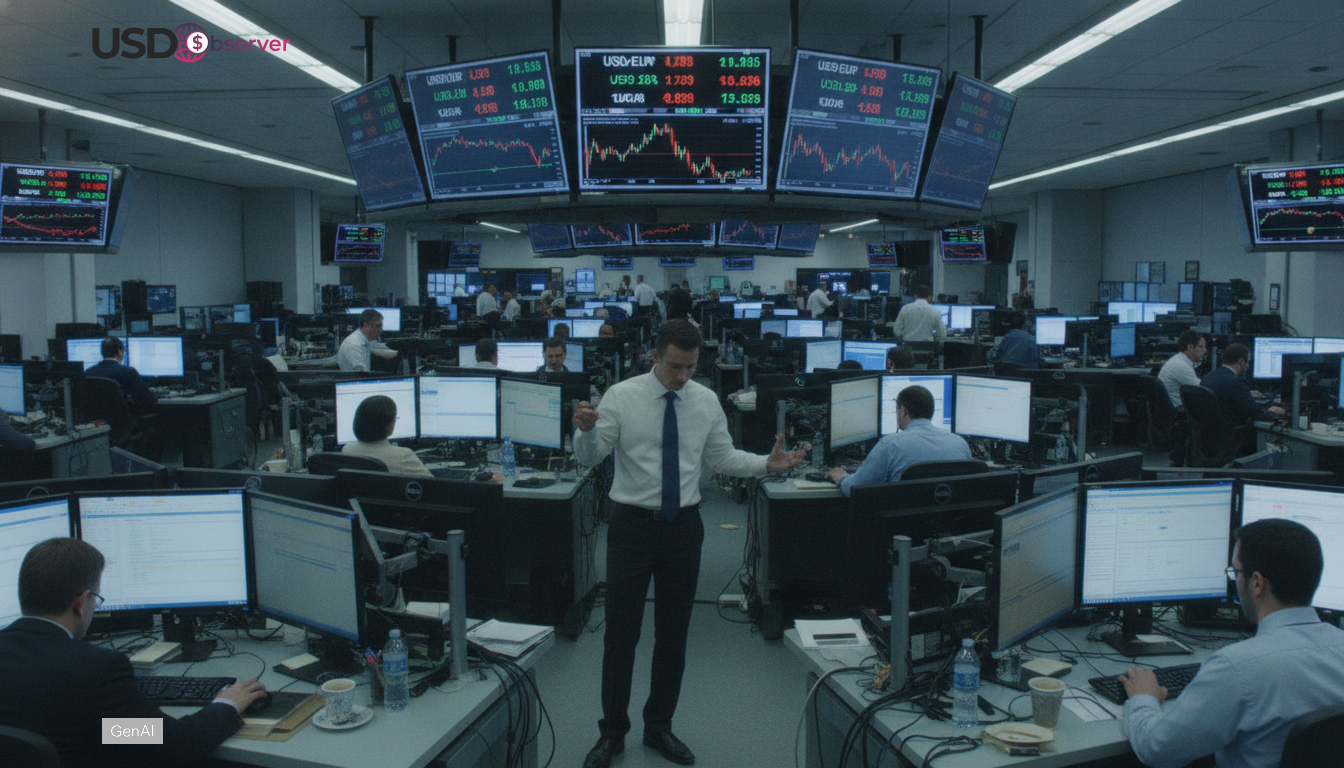
Bolivia’s currency crisis is increasingly discussed alongside Latin American episodes where controls and shortages created two price systems, one official and one street based. Economists note that once daily pricing anchors to an informal rate, it becomes harder to re establish credibility without consistent access to hard currency. The key difference in Bolivia is the speed at which payments are migrating to cash and informal channels, reflecting immediate shortages rather than only long term inflation expectations. Today, dealers describe small denomination bills commanding extra fees because they are easier to use in retail trade, including reports from La Paz currency stalls near Plaza Murillo. An Update from any major trading desk can amplify panic buying if it hints at tighter supply. Live market behavior shows how quickly expectations can become self reinforcing when households cannot plan purchases.
Future Outlook: Potential Solutions and Challenges
Policy options now being debated focus on restoring predictable access to dollars for essential imports and rebuilding trust in the formal exchange channel. Analysts say confidence depends on transparent rules, consistent settlement for trade, and credible communication, because abrupt changes can push more activity underground. Marketplace highlighted that businesses want clarity on how they can obtain dollars for invoices without relying on street brokers. Today, the practical test is whether supply normalizes enough to narrow the premium and reduce cash hoarding, with exchange queues still reported in central La Paz. A Live shift in pricing would be visible first in import dependent sectors that adjust prices quickly. Another Update will likely come through official statements and market signals such as bank queues and availability at exchange windows. Without stability, informal pricing can become the default reference for the broader economy.