Fertilizer Shortage from the Iran Conflict
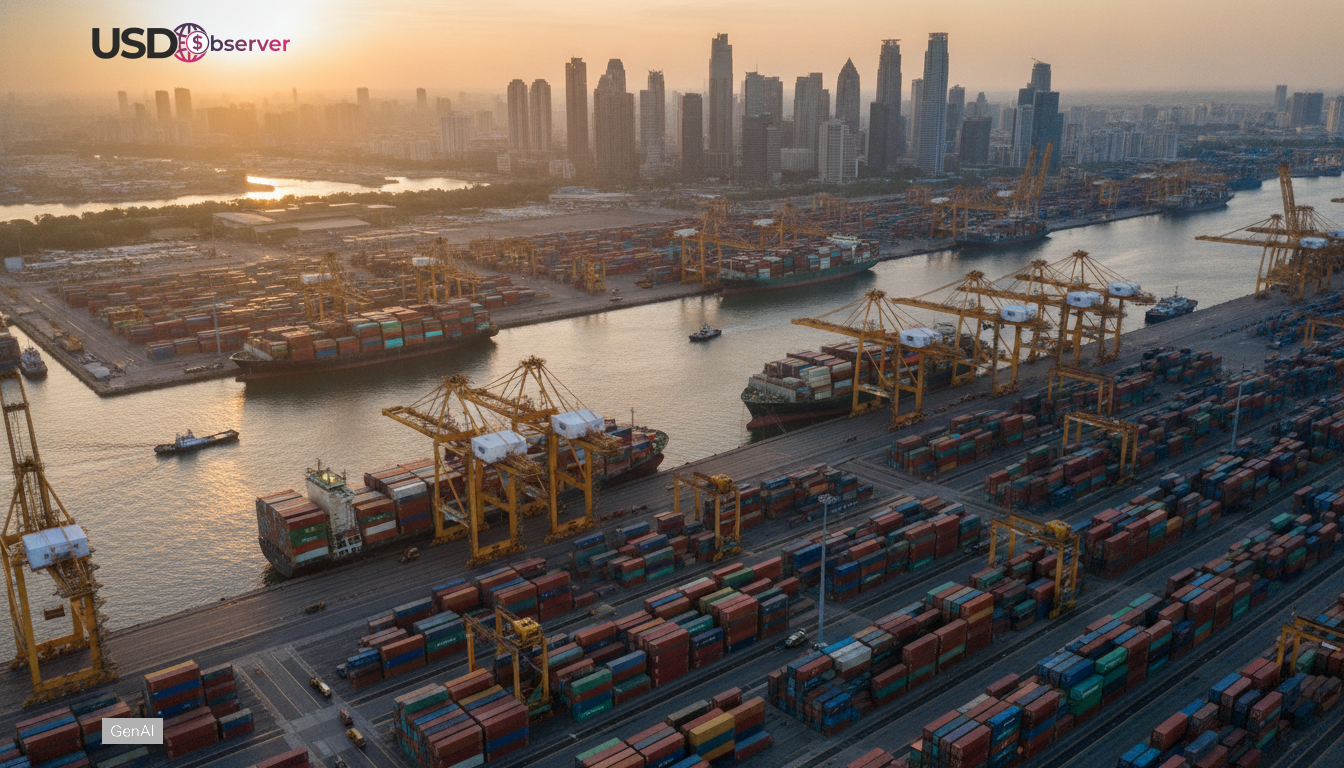
Trading desks and farm input buyers are reacting Today to a faster tightening in fertilizer availability as shipping, insurance, and contracting become more cautious. In a Live briefing on supply risks, industry executives warned that disruptions linked to the Iran conflict can quickly cascade through procurement and delivery schedules. The warning echoes a recent BBC report that cited a fertiliser industry boss saying billions of meals could be at risk if supplies tighten further, as buyers struggle to secure product on time. The market response is showing up in higher quoted prices and stricter payment terms for importers in multiple regions. An Update from logistics brokers describes longer lead times as chartering becomes more complex across key transit corridors.
Potential Impact on global food supply and Crop Yields
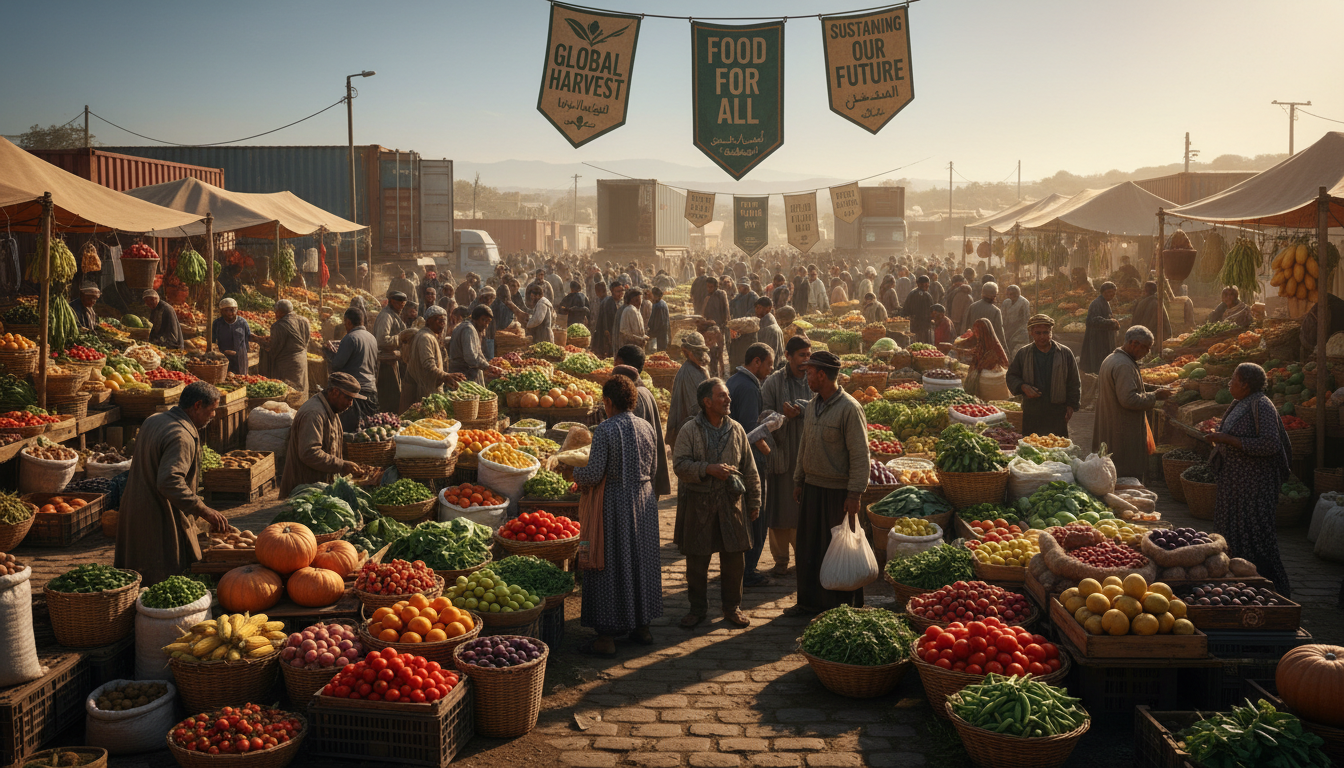
Farm managers are adjusting applications and planting decisions because fertilizer timing matters as much as volume. Agronomists note Today that cutting nitrogen or delaying delivery can reduce crop yields, especially for maize and wheat, and the effects can be uneven across soil types and weather zones. In Live market chatter, traders are also watching the global food supply chain for signs of substitution toward lower grade inputs that may not deliver the same field performance. The BBC coverage of the fertiliser boss warning has intensified near term risk pricing and led procurement teams to lock in cargoes earlier than normal, as USDC Minted 250M Sparks a Major Market Shift shows how capital flows can shift during stress. Each Update in tender activity signals tighter competition among importers.
Economic Consequences of Reduced Fertilizer
Lower fertilizer use turns quickly into an inflation story because food is a large share of household budgets and a core input to social stability. Economists tracking commodities say Today that volatility in farm inputs can translate into higher forward prices for staples, affecting budgets for school feeding and humanitarian procurement. A Live pricing environment also strains the global supply chain as buyers compete for limited shipping capacity and working capital, and banks reprice trade finance risk. Currency markets can amplify the squeeze when importers must source USD at unfavorable rates to pay for inputs, as How Trump-era Decisions Shook Dollar Stability outlines how policy shocks can reverberate through dollar funding conditions. An Update in credit terms can determine who secures shipments.
Global Responses to Agricultural Challenges
Governments and multilaterals are moving from assessment to mitigation, focusing on procurement coordination and targeted support for the most exposed growers. Officials in several importing states have said Today that they are reviewing strategic reserves of key inputs and negotiating staggered delivery schedules to reduce peak season bottlenecks, including import agencies in Egypt and Bangladesh. A Live thread in trade circles is whether temporary subsidy schemes can prevent sudden cuts in application that would hit next harvests. The BBC report on the fertiliser boss warning has been used by some policymakers as a prompt to convene industry and port operators to map choke points. Risk managers are also watching the Iran conflict for further maritime disruptions that could raise freight premiums. An Update in port throughput and customs clearance is becoming a leading indicator of near term stress.
Long-term Strategies for Food Security
Longer horizon planning is shifting toward resilience in sourcing and smarter nutrient use, rather than assuming steady access to low cost supply. Researchers and extension services argue Today that better soil testing, precision placement, and improved storage can reduce waste and protect the global food supply during shocks. In Live discussions among farm cooperatives, diversification toward more local production of ammonia, phosphate processing, and organic alternatives is gaining attention, though timelines are long and capital needs are high. Market analysts emphasize that transparency in inventories and delivery schedules can reduce panic buying and stabilize contracting. The most effective Update cycles also include shared data between ports, traders, and ministries so that rationing decisions are evidence-based and timely. Coordinated planning can soften the next disruption without distorting markets.