Current USD to Naira Rate Dynamics
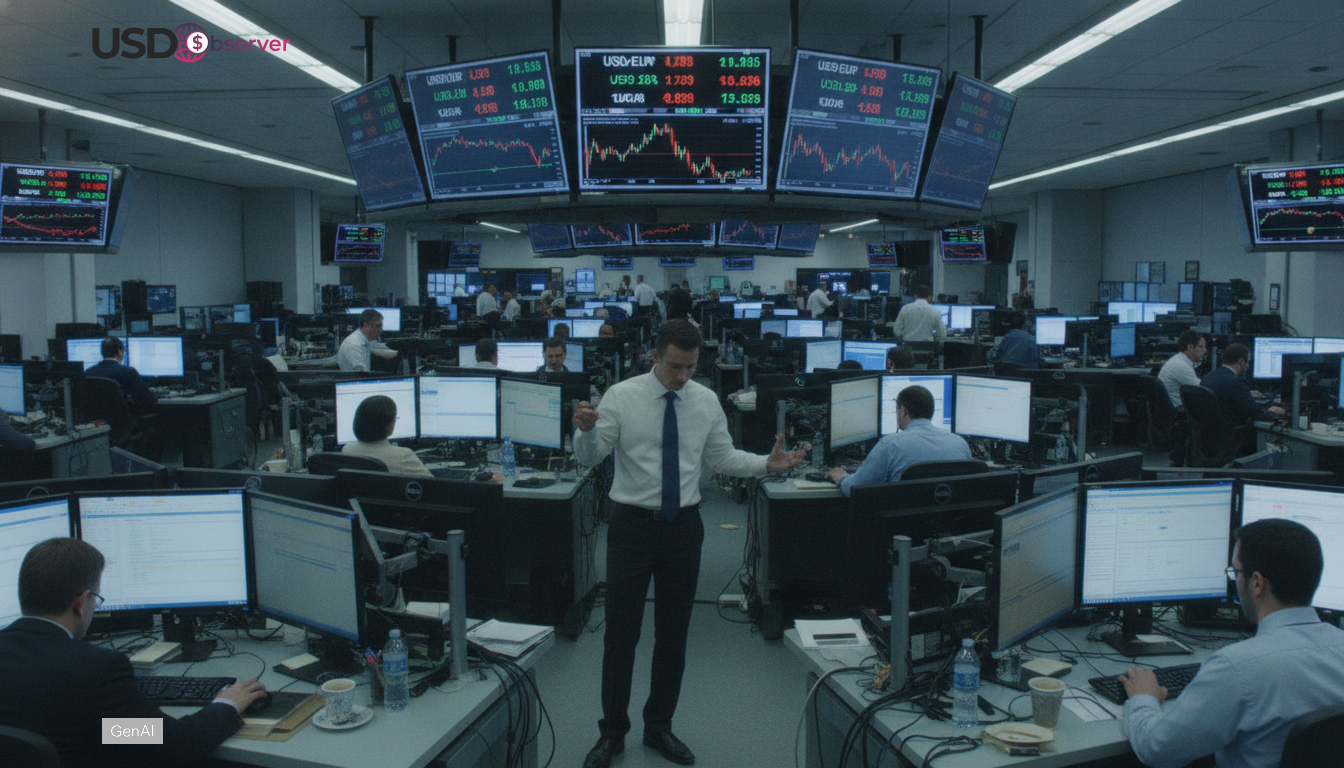
Dollar pricing in Lagos and Abuja remained turbulent at midweek. Tight cash flow and inconsistent dealer quotes were key factors. Early today, traders noted wider disparities between buy and sell rates compared to earlier in the month, indicating low inventory and shaky market confidence. Chatter among traders suggested a cautious approach, with smaller transactions moving swiftly as sellers emerged. A live snapshot of afternoon quotes revealed constant repricing instead of stability. One major bureau de change corridor even pointed to increased demand from importers, emphasizing a risk-aware trading environment where turnover took precedence over large positions.
Key Influencers on Black Market Rates
Energy prices and hard-currency availability continued to drive black market activity. Oil market fluctuations shaped risk sentiment as highlighted in a recent BBC report on rising oil prices. Nigerian traders keep a close eye on these developments, as they can influence dollar liquidity. In this setting, USD NGN trading has shown sensitivity to settlement delays, cash handling expenses, and surges in demand for travel and tuition payments. Dealers pointed out how digital transaction frameworks can alter street supply. Stablecoin conversions sometimes compete with cash desks, a dynamic explored in UK FCA Clears Path for Tokenized Fund Structures. These factors have kept exchange quotes reactive, rather than directional.
Divergence Between Official and Black Market Rates
The official market and the black market diverge fundamentally, each addressing different demands: formal settlement versus immediate cash access. Traders indicated that the official channel is often more relevant to corporations with documentation needs, whereas the black market caters to urgent cash requirements for smaller merchants who cannot afford delays. In a volatile forex market, price gaps often widen due to rising uncertainty, prompting dealers to incorporate buffers to manage replacement risks. A live comparison of quotes illustrated the street market’s agility; it reacted faster to news because it depends on availability rather than just reference rates. An update about global dollar sentiment was discussed in Powell’s final Fed call, what markets heard today, underscoring how it impacted local sellers’ demand for higher naira per dollar. This gap serves as a critical signal for anticipated market stress.
Consequences for Traders and Businesses
Import-dependent enterprises face a greater risk when it comes to sourcing dollars exactly when invoices are due, affecting profit margins. Today, stakeholders in sectors such as electronics, pharmaceuticals, and spare parts reported frequent repricing and shortened quote validity periods as they sought to avoid losses. Dollar-to-naira conversions on the street involved heightened execution risks as liquidity tightened, leading some companies to distribute orders among various dealers. Payment timing has become just as significant as price; delays could necessitate a second conversion at less favorable rates. An update from logistics-focused traders highlighted pressure stemming from fuel-linked cost fluctuations, trackable via Oil tops 120 as Iran blockade fears grip markets. Effective risk management now hinges on timing purchases and avoiding oversized orders.
Outlook for USD to Naira Rates
The near-term trajectory is likely driven by headlines, with the next moves dependent on dollar supply, cash flow, and the speed at which demand is met after payroll and month-end settlements. Dealers stressed that a consistent influx of dollars is crucial for maintaining stability; one-off supply bursts often get overwhelmed by pent-up buying. In the forex realm, global risk dynamics can amplify local movements, particularly with oil price shifts and broader dollar strength. A live watchpoint for trading desks is the rate of spread narrowing; as spreads tighten, it often indicates an inventory recovery. One update from a Lagos cash hub noted that rising turnover correlates with smaller, more orderly quote changes, even absent a dramatic rate decline. For traders, the prevailing scenario appears to be ongoing volatility marked by brief lulls instead of any smooth trends.