US financial institutions tapped a record amount of short term liquidity from the Federal Reserve’s Standing Repo Facility on the final trading day of 2025, underscoring how calendar driven funding dynamics continue to shape money markets even in stable conditions. Eligible firms borrowed roughly $74.6 billion in overnight cash, exceeding prior peaks typically seen at quarter end. The borrowing was secured against a mix of Treasury securities and mortgage backed assets, reflecting routine balance sheet management rather than stress. Year end periods often coincide with reduced interbank lending as institutions tighten exposures, pushing borrowers toward central bank facilities that offer predictable pricing. At the same time, money market rates tend to rise around reporting dates, making access to official liquidity more attractive. Market participants broadly viewed the take up as consistent with expectations and not indicative of funding disruption, reinforcing the role of standing facilities as a structural part of modern liquidity management.
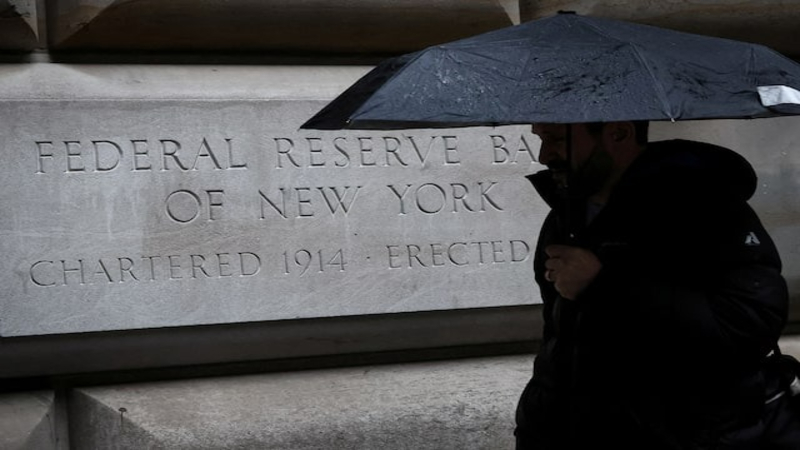
The surge in usage highlights the evolving role of the Federal Reserve Bank of New York in smoothing short term funding conditions. The Standing Repo Facility was designed to act as a permanent backstop, replacing the ad hoc operations used in previous cycles to keep overnight rates aligned with policy targets. After years of limited uptake, policymakers have increasingly encouraged firms to use the facility when it makes economic sense, aiming to normalize participation and reduce stigma. Recent adjustments, including higher aggregate caps, were intended to ensure sufficient capacity during periods of elevated demand. The year end operation also coincided with ongoing reverse repo activity, allowing the central bank to absorb excess cash elsewhere in the system. Together, these tools reflect a more flexible framework for managing liquidity without signalling distress or requiring discretionary intervention.
From a broader perspective, strong participation in the Standing Repo Facility suggests that the mechanism is functioning as intended, providing confidence to markets during predictable funding pinch points. Officials have repeatedly stressed that higher usage should not be interpreted as a warning sign but rather as evidence that counterparties are comfortable relying on the facility. Feedback from money market participants indicates that funding conditions leading into year end were comparatively orderly, with less volatility than in past cycles. The ability to draw on central bank liquidity at known terms reduces incentives for last minute hoarding and supports smoother rate transmission. As balance sheet constraints and regulatory considerations continue to influence interbank activity, standing facilities are becoming a core feature of the financial system rather than an emergency measure, shaping how liquidity is priced and accessed across reporting dates.