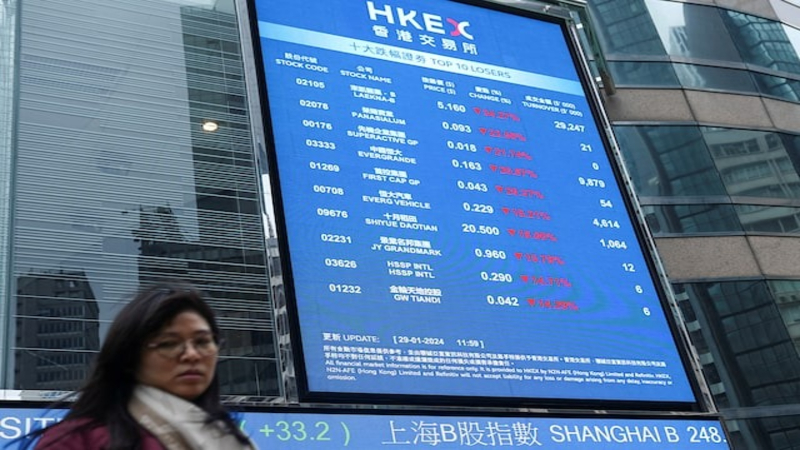
Global markets are closing 2025 in a subdued mood after a year defined by sharp repricing across commodities, currencies, and risk assets. World equities ended the final sessions largely flat, consolidating gains after adding roughly $15 trillion in market value over the year, marking their strongest performance since before the pandemic. The calm finish contrasted with the turbulence that shaped much of the year, including trade disruptions, geopolitical tensions, and swings in bond markets. Investors appeared to lock in positions rather than chase momentum, particularly after a powerful rally in selected sectors such as technology, defense, and banking. Liquidity conditions remained orderly, allowing markets to drift into year end with limited volatility. The broader picture suggests that risk appetite survived repeated shocks, but positioning became increasingly selective as valuation concerns and policy uncertainty lingered beneath the surface.
Precious metals saw profit taking late in the year after exceptional gains driven by safe haven demand and currency weakness. Gold, silver, and platinum all pulled back as investors cashed in returns accumulated during one of the strongest runs for metals in decades. Gold remained one of the standout assets of 2025 despite the late dip, reflecting persistent hedging against fiscal expansion, geopolitical risk, and long term inflation uncertainty. Silver and platinum also posted extraordinary annual gains, though their sharper pullbacks highlighted the speculative element embedded in parts of the rally. Oil prices remained under pressure, ending the year significantly lower amid ample supply and trade related uncertainty. Commodity markets overall reflected a shift from accumulation to consolidation as investors reassessed exposure following outsized moves earlier in the year.
Currency and bond markets underscored the deeper structural themes shaping global capital flows. The US dollar ended the year sharply lower, marking its weakest annual performance in several years and supporting gains across most major and emerging market currencies. The euro and Swiss franc benefited from the shift, while bond markets grappled with the implications of rising long term yields and expanding fiscal deficits. Federal Reserve communications revealed ongoing debate among policymakers about the future path of interest rates, keeping investors focused on credibility and independence as Donald Trump prepares to nominate a new central bank leader. As markets head into 2026, the quiet year end masks unresolved questions around debt sustainability, monetary policy, and the durability of risk appetite after an unusually strong year.