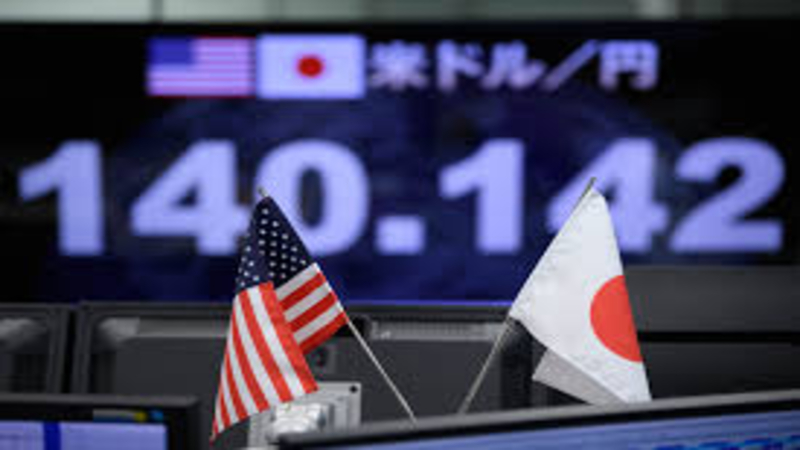
The USD/JPY exchange rate has remained elevated as markets respond to Japan’s cautious approach toward currency intervention and the persistence of wider interest rate gaps. Despite occasional verbal warnings from policymakers, the yen has struggled to gain meaningful traction against the dollar. Traders believe that without strong and coordinated intervention efforts the currency is likely to remain under pressure. This dynamic has become one of the defining themes in the global forex market as year end approaches.
Japan’s economic environment continues to present challenges for currency strength. Inflation remains moderate compared with other major economies and the pace of wage growth has yet to reach levels that would support sustained monetary tightening. Investors are watching closely for signs of a shift in the Bank of Japan’s stance, but recent communication suggests a measured and patient approach. This has allowed the dollar to retain its advantage even as broader market sentiment fluctuates.
Limited intervention signals are reinforcing yen weakness
The most important driver behind the elevated USD/JPY level is Japan’s reluctance to intervene aggressively in the currency market. Authorities have indicated concern over rapid yen depreciation but actual intervention has been limited. Traders interpret this as a signal that policymakers are focused on slowing volatility rather than reversing the trend entirely. As a result speculative pressure remains tilted toward dollar strength.
Japan’s preference for verbal guidance rather than direct action allows markets to test higher levels, especially when global conditions favor the dollar. Investors recognize that unilateral intervention tends to have short lived effects unless supported by major partners. With no clear indication of coordinated intervention from other central banks the yen lacks a strong anchor to stage a recovery. The perception of low intervention probability has therefore become a key factor sustaining high USD/JPY levels.
Interest rate differentials also play a major role. The United States continues to offer significantly higher yields compared with Japan, which still maintains very low interest rates. This gap encourages capital flows toward dollar denominated assets and away from yen holdings. Even with expectations of future monetary adjustments in Japan the difference remains wide enough to influence currency behavior.
Japan’s inflation and wage trends are slowing policy normalization
Although Japan has made progress in moving away from deflation, inflation trends remain inconsistent. Some sectors show rising prices while others continue to experience subdued pressure. Policymakers prefer to see more stable and broad based inflation before making substantial policy changes. This cautious stance contributes to a slower normalization process compared with other major economies.
Wage growth is another critical factor. While recent negotiations have resulted in higher wages, the increases are not yet sufficient to guarantee long term inflation stability. The central bank is therefore hesitant to adopt a significantly tighter stance. The result is a monetary environment that still favors low yields and provides limited support for the yen.
Global risk sentiment continues to support the dollar
Risk sentiment across global financial markets also influences the USD/JPY exchange rate. During periods of uncertainty investors typically move toward safe and liquid assets. Although the yen is historically seen as a safe haven, the strength of the dollar and the higher yields in the United States have shifted preferences. When global markets face stress the dollar often attracts more flows than the yen in the current environment.
This shift reflects broader changes in global capital allocation. Investors who seek safety also value returns, and the United States currently offers both. As a result the yen finds it difficult to perform its traditional safe haven role with the same strength it once had. This reduces upward pressure on the currency even during risk off periods.
Market expectations show limited confidence in a yen rebound
Futures markets indicate that traders are not expecting a rapid yen recovery in the near term. While some anticipate gradual strengthening if Japan adjusts policy next year, there is little expectation of a sharp correction. The elevated level of USD/JPY reflects the belief that structural and policy related forces will continue to favor the dollar.
Conclusion
The USD/JPY exchange rate remains elevated due to Japan’s cautious intervention signals, wide interest rate differentials, uneven inflation trends and global risk preferences that currently favor the dollar. Without stronger policy action or a major shift in economic conditions the yen is likely to stay under pressure. Traders will continue to monitor potential commentary from officials, but current dynamics indicate that significant changes in the pair are unlikely in the short term.