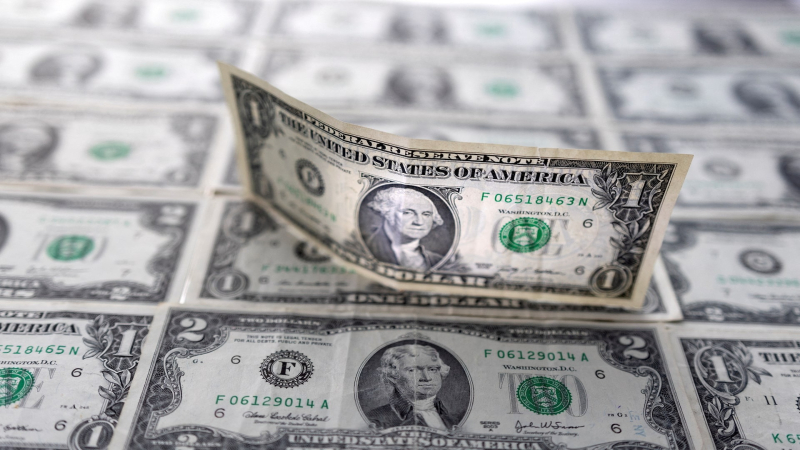
The US dollar is positioned for potential short term strength as markets head toward the early months of 2026. Traders are increasingly focused on shifting monetary expectations, resilient US economic indicators, and widening divergence between the United States and several major economies. These factors are shaping currency flows and influencing positioning strategies across global markets. With investors reassessing their outlook, the dollar is regaining momentum against a basket of key currencies.
Market sentiment has also been influenced by recent adjustments in bond yields and risk appetite. As global uncertainty persists, demand for safe and liquid assets tends to rise, and the dollar remains one of the most preferred instruments for preserving capital. The combination of macroeconomic stability and attractive yield characteristics places the USD in a favorable position for near term appreciation as markets prepare for the next quarter.
How Rate Expectations Are Influencing USD Momentum
Traders are paying close attention to expectations regarding monetary policy decisions in the United States. While some economies are signaling a potential shift toward easing cycles, the outlook for the Federal Reserve remains comparatively firm. The US economy continues to show resilience through steady consumer activity and consistent labor conditions, which reduces the likelihood of rapid rate cuts. This creates an environment where the US yield advantage may persist, supporting short term dollar strength.
Expectations surrounding policy stability tend to influence global capital allocation. Investors looking to optimize returns often gravitate toward markets that maintain higher yield opportunities. As long as traders anticipate that the Federal Reserve will take a more cautious approach to adjusting policy, the dollar is likely to attract sustained demand, especially against currencies tied to weaker economic performance or more aggressive easing prospects.
Diverging Economic Conditions Across Major Markets
Another factor driving near term dollar strength is the growing divergence between US growth dynamics and those of other advanced economies. Several regions are experiencing slower economic momentum, creating additional pressure on local currencies. These disparities make the dollar comparatively more attractive, particularly as growth data continues to reflect stability in the United States.
Currency markets adjust quickly to changes in global conditions. When investors see a widening gap between economies, they often reposition portfolios toward assets associated with more robust performance. In this context, the dollar benefits from both its yield profile and its perceived economic advantage. This divergence is an important consideration for traders looking ahead to Q1 2026.
Shifts in Investor Sentiment and Risk Positioning
Market sentiment remains cautious as geopolitical uncertainty, fiscal concerns, and fluctuating commodity prices persist. In environments where risk aversion rises, traders often reduce exposure to currencies tied to cyclical sectors or vulnerable economies. The dollar tends to gain strength in such periods due to its stability and liquidity, reinforcing its status as a preferred safe haven.
Investor positioning data shows a renewed interest in USD holdings as global uncertainty weighs on alternative assets. Traders are more inclined to shift toward defensive strategies heading into the new quarter, and this shift supports continued demand for the dollar. The combination of higher yields and safety appeal provides a dual advantage that is difficult for other currencies to match in the short term.
What Traders Will Be Watching Going Into Q1 2026
As markets transition into early 2026, traders will be watching several key indicators that could influence dollar momentum. These include inflation trends, employment data, and central bank communications. Any signals that reinforce the perception of sustained US economic strength would further support the outlook for short term USD appreciation.
In addition, developments in foreign markets will play a critical role. If global economic divergence continues to widen or if policy shifts abroad intensify, traders may increasingly favor the dollar over other major currencies. The broader market environment suggests that the dollar is well positioned for near term stability, even if longer term uncertainties remain.
Conclusion
Traders expect short term dollar strength into Q1 2026 due to a combination of rate expectations, economic divergence, and evolving investor sentiment. As long as US yields remain comparatively attractive and global uncertainty persists, the dollar is likely to maintain upward momentum. Market participants will continue monitoring key economic indicators as they position for the months ahead.