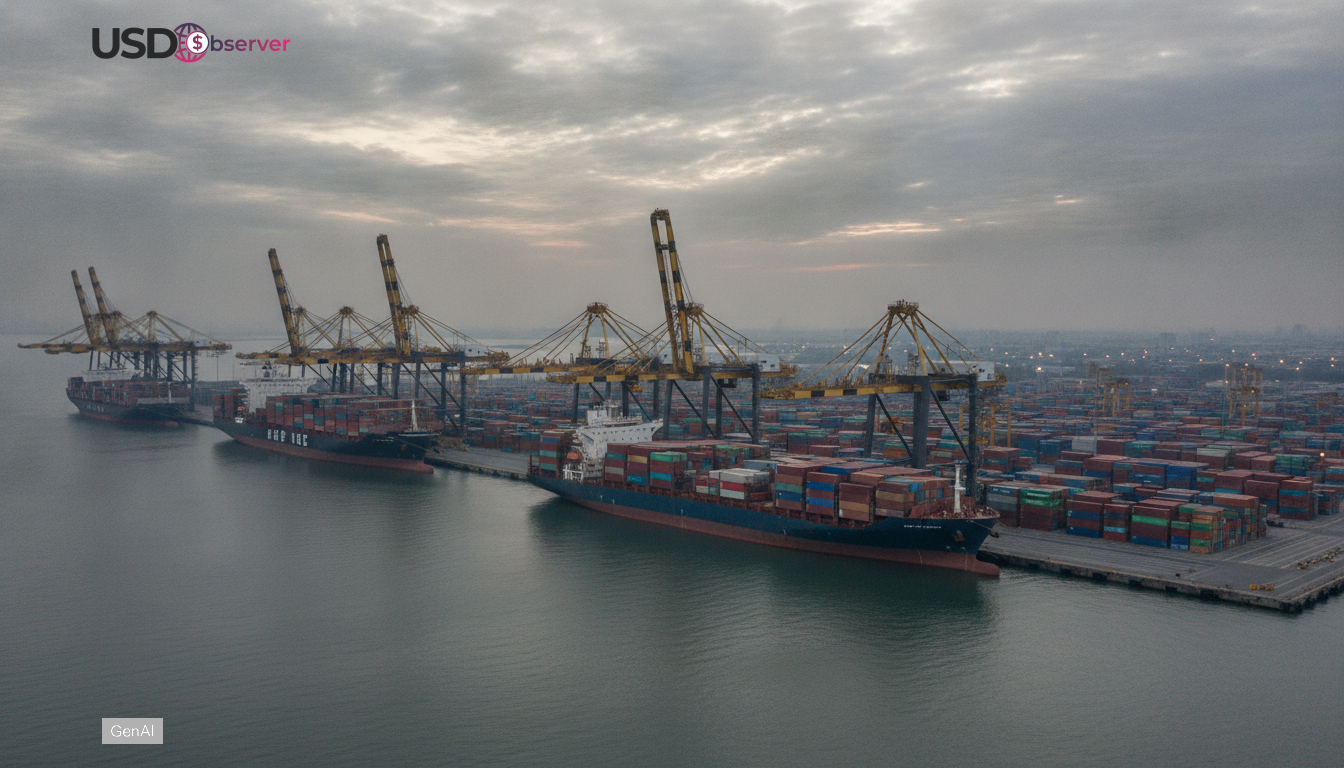
For years, stablecoins were viewed mainly through the lens of crypto speculation. Growth was often associated with trading volumes, market cycles, and risk appetite. That narrative no longer explains what is happening today. Stablecoin usage is expanding even as speculative activity remains subdued, pointing to a more structural shift in how and why these instruments are being used.
The current phase of stablecoin growth is closely tied to global trade and settlement needs. Rather than serving as vehicles for leverage or price discovery, stablecoins are increasingly functioning as transactional tools. This change reflects demand from businesses, payment providers, and institutions seeking efficiency, predictability, and speed in cross border operations.
Trade Settlement Is Becoming the Primary Use Case
The most important driver of stablecoin growth today is trade settlement. International trade still relies heavily on dollar based transactions, but traditional settlement processes are slow and operationally complex. Stablecoins provide a digital representation of the dollar that can move faster and settle with greater certainty.
Firms engaged in cross border trade use stablecoins to reduce settlement delays and manage working capital more effectively. Payments that once took days can be completed in shorter cycles, improving cash flow and lowering counterparty risk. This practical advantage explains why stablecoin usage rises alongside trade activity rather than speculative surges.
Demand Comes From Corporates, Not Retail Traders
Unlike earlier phases, stablecoin demand is now driven more by corporate and institutional users than retail traders. Businesses use stablecoins for supplier payments, treasury management, and internal transfers across jurisdictions. These users prioritize stability and compliance over yield or volatility.
This shift changes growth dynamics. Volumes expand steadily as trade relationships scale, not explosively during market rallies. Stablecoin balances fluctuate with transaction needs rather than speculative positioning, reinforcing their role as payment instruments rather than investment assets.
Emerging Markets Are Accelerating Adoption
Emerging economies play a key role in linking stablecoins to trade. Many firms in these markets face challenges accessing traditional dollar banking services. Stablecoins provide a functional alternative for settling trade invoices and managing currency exposure.
This adoption is driven by necessity rather than enthusiasm for crypto markets. Stablecoins help bridge gaps in payment infrastructure and reduce reliance on correspondent banking. As trade volumes grow or stabilize, stablecoin usage follows, reflecting real economic activity.
Speculative Cycles No Longer Explain Usage Patterns
Speculation once dominated stablecoin flows, with balances rising sharply during crypto rallies and shrinking during downturns. Today, usage patterns are more stable. Volumes remain resilient even when crypto markets are quiet, indicating a decoupling from speculative cycles.
This stability reflects functional demand. Trade related usage depends on supply chains, invoicing cycles, and payment needs, not market sentiment. As a result, stablecoin growth appears smoother and more predictable, aligning with trade flows rather than price movements.
Regulation Is Steering Stablecoins Toward Utility
Regulatory scrutiny has also influenced how stablecoins are used. As oversight increases, speculative and opaque models face pressure, while transparent, well governed stablecoins gain credibility. This environment favors utility driven adoption.
Trade participants prefer instruments that align with compliance standards and risk management practices. Regulation, rather than suppressing growth, channels it toward legitimate economic use cases. This reinforces the link between stablecoin expansion and trade activity.
Infrastructure Integration Supports Trade Use
Stablecoins are increasingly integrated into payment platforms, trade finance systems, and settlement networks. This integration lowers barriers to use and embeds stablecoins into everyday operations. Once connected, usage scales naturally with transaction volume.
Infrastructure integration reduces reliance on manual processes and intermediaries. Over time, this creates a feedback loop where trade efficiency drives stablecoin adoption, which in turn supports more efficient trade.
Conclusion
Stablecoin growth today is not a reflection of renewed speculation. It is a response to real economic needs tied to trade and settlement. As global commerce seeks faster, more reliable dollar based payment tools, stablecoins fill a practical gap. Their expansion follows trade flows because that is where their value is now being realized.