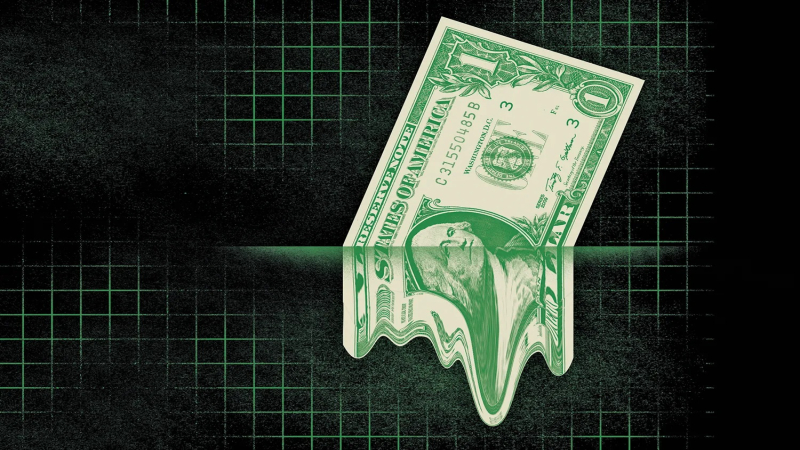
The dollar has lost some of its shine as global investors reallocate capital toward higher-yielding and undervalued currencies. After holding near a 20-year high for much of last year, the greenback has faced renewed selling pressure as traders unwind long positions and anticipate a softer policy stance from the Federal Reserve.
Foreign-exchange markets have seen a shift in tone. Large hedge funds and asset managers who once favored the dollar as a safe-haven asset are now diversifying portfolios toward the euro, yen, and select emerging market currencies. The move reflects a broader recalibration of global capital flows as U.S. economic momentum shows signs of moderation.
Several economic indicators have fueled this change. Recent manufacturing and services data came in below expectations, while inflation trends continue to cool. These signals have increased speculation that the Fed may pause rate hikes for an extended period, eroding the interest-rate advantage that previously supported the dollar.
Macro Drivers Behind the Dollar’s Slide
Several macro factors explain the dollar’s recent weakness. The first is the narrowing growth gap between the United States and other major economies. Europe’s industrial sector has stabilized, and Asian trade volumes have rebounded after a prolonged slump. These developments have reduced the relative appeal of U.S. assets.
Second, commodity price adjustments are influencing exchange rates. Lower oil and gas prices have eased import costs for key energy importers, improving their current accounts. That has indirectly supported local currencies while weighing on the dollar, which often strengthens in times of commodity stress.
Another key factor is shifting monetary expectations. With inflation moving closer to target, investors believe that the Fed’s tightening cycle is nearing completion. Futures markets now price a higher probability of rate cuts in late 2026. A less aggressive policy outlook typically undermines short-term demand for the dollar as carry trades lose appeal.
Finally, sentiment toward U.S. debt dynamics has also entered the discussion. Rising federal deficits and heavier bond issuance have raised questions about long-term sustainability. While the United States remains the world’s most liquid market, any hint of fiscal imbalance can temper enthusiasm for holding dollar-denominated assets.
Position Unwinding and Changing Risk Appetite
In the first half of the year, speculative positions in favor of the dollar reached near-record levels. Many traders had expected persistent U.S. growth to push the currency higher, but the latest data has challenged that narrative. As yields began to drift lower, funds reduced exposure to the dollar in favor of currencies offering better near-term prospects.
The Japanese yen has benefited the most from this realignment. After months of weakness, it gained ground as investors sensed that Tokyo might gradually normalize policy. Similarly, the euro has recovered some stability on expectations of resilient European growth and fiscal coordination. The combination of these trends has left the dollar index fluctuating between 104 and 106, well below its recent peaks.
Emerging markets have also attracted renewed inflows as global risk appetite improves. Countries with credible monetary frameworks and strong reserves are drawing interest from investors seeking diversification. The shift indicates a broader return to fundamentals rather than sentiment-driven trades that dominated the past two years.
The Global Implications of Dollar Rotation
A weaker dollar affects more than just currency traders. For emerging markets, it offers breathing room by easing debt servicing costs and improving trade competitiveness. For commodity exporters, however, a softer dollar can translate into lower local-currency revenue if prices remain flat. The impact varies across economies, but overall financial conditions tend to loosen when the dollar declines.
Equity markets have responded positively to the shift. Global indices have gained as investors anticipate better returns from non-U.S. assets. Meanwhile, capital inflows to Asia and Latin America are rising as investors reposition portfolios toward undervalued regions. The rotation may also reduce volatility in global bond markets as central banks align policy expectations with the Fed’s more cautious stance.
Still, analysts warn that the dollar’s retreat is not the start of a lasting downturn. The currency remains supported by strong fundamentals, deep capital markets, and its status as the world’s primary reserve asset. The recent pullback reflects cyclical adjustments rather than structural weakness. Most forecasts expect the dollar to stabilize once markets fully price in the new policy environment.
Conclusion
The current wave of dollar selling underscores a shift in global sentiment rather than a collapse in confidence. Investors are adjusting to changing interest-rate differentials and slower U.S. growth, prompting a rebalancing of portfolios worldwide. Whether this trend extends depends on incoming data and central bank communication, but for now, the dollar’s dominance is being tested by a new cycle of diversification.