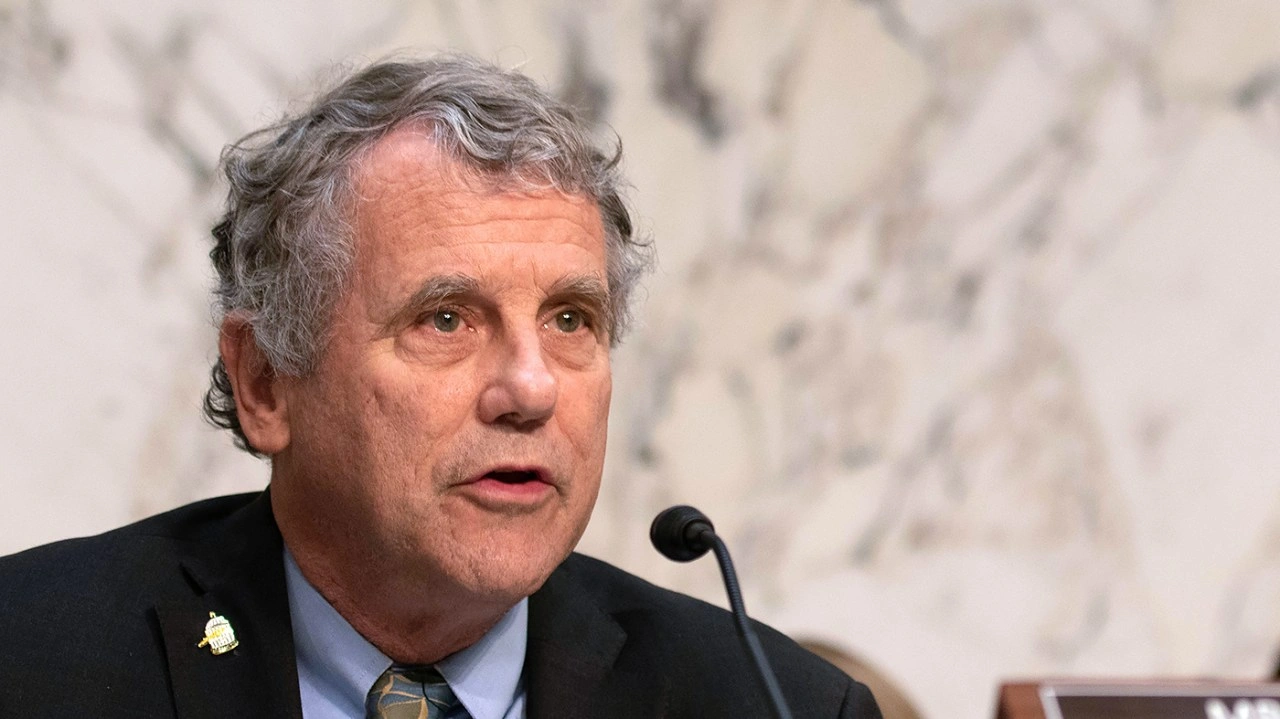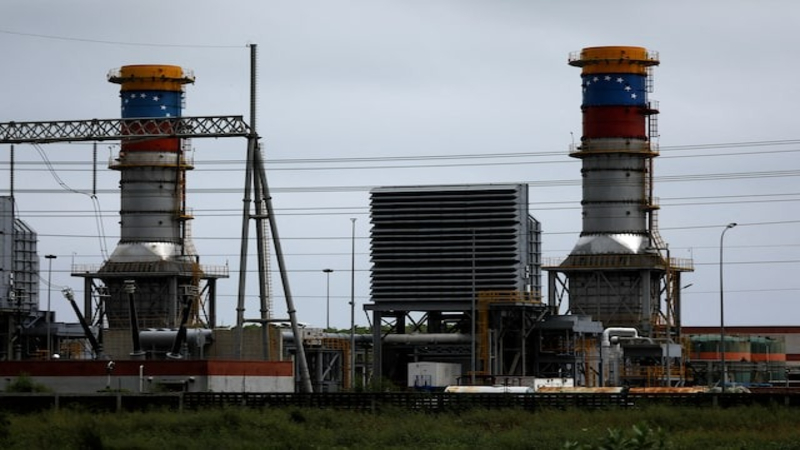
US energy policy toward Venezuela entered a more complex phase as the White House convened a meeting with a wider group of oil producers to explore potential investment and operational pathways. The inclusion of both major producers and smaller independent firms signaled a shift from a narrow sanctions enforcement framework toward a more layered assessment of future supply options. Markets interpreted the meeting as an exploratory step rather than an immediate policy pivot, reflecting Washington’s attempt to balance geopolitical pressure with long term energy considerations. Venezuela’s oil sector remains constrained by infrastructure decay, heavy crude challenges, and financing limits, yet its reserves continue to draw strategic interest. By broadening the dialogue, policymakers appear to be testing how different segments of the US energy industry could fit into a tightly controlled engagement model without signaling a full normalization of trade.
The presence of independent and private equity backed firms alongside established majors highlighted a recognition that operational flexibility may matter as much as scale. While large producers bring technical expertise and capital depth, smaller companies are often perceived as faster moving and more cost sensitive. This distinction is particularly relevant in a market where selective projects rather than sweeping redevelopment may define early activity. The focus is not solely on heavy crude but also on lighter grades and underdeveloped formations that could be brought online with lower upfront investment. For markets, this suggests that any future increase in Venezuelan output would likely be gradual and targeted, rather than a rapid surge that materially shifts global supply balances in the near term.
Geography also emerged as a subtle theme, with several participating firms linked to a secondary US energy hub rather than traditional oil centers. This reflects how capital, expertise, and policy networks in the US energy sector have become more dispersed. It also underscores that interest in Venezuela is not limited to legacy players with historical exposure, but extends to newer operators seeking differentiated opportunities. Still, experience gaps remain, particularly around heavy oil processing and export logistics. These constraints reinforce the idea that any engagement would require partnerships, phased investment, and close policy oversight, limiting the scope for near term production gains that could disrupt existing market expectations.
From a macro perspective, the meeting highlights how energy policy is increasingly shaped by strategic optionality rather than immediate supply needs. Global oil markets remain well supplied, reducing urgency to unlock Venezuelan barrels quickly. Instead, the focus appears to be on maintaining leverage, preserving future access, and signaling control over how and when supply could return. For commodity and currency watchers, this approach supports a view that Venezuelan oil will remain a marginal and politically conditioned source rather than a stabilizing force. The discussion reinforces that policy decisions, not geology, will determine Venezuela’s role in global energy flows, keeping uncertainty elevated and risk premiums embedded in pricing assumptions.