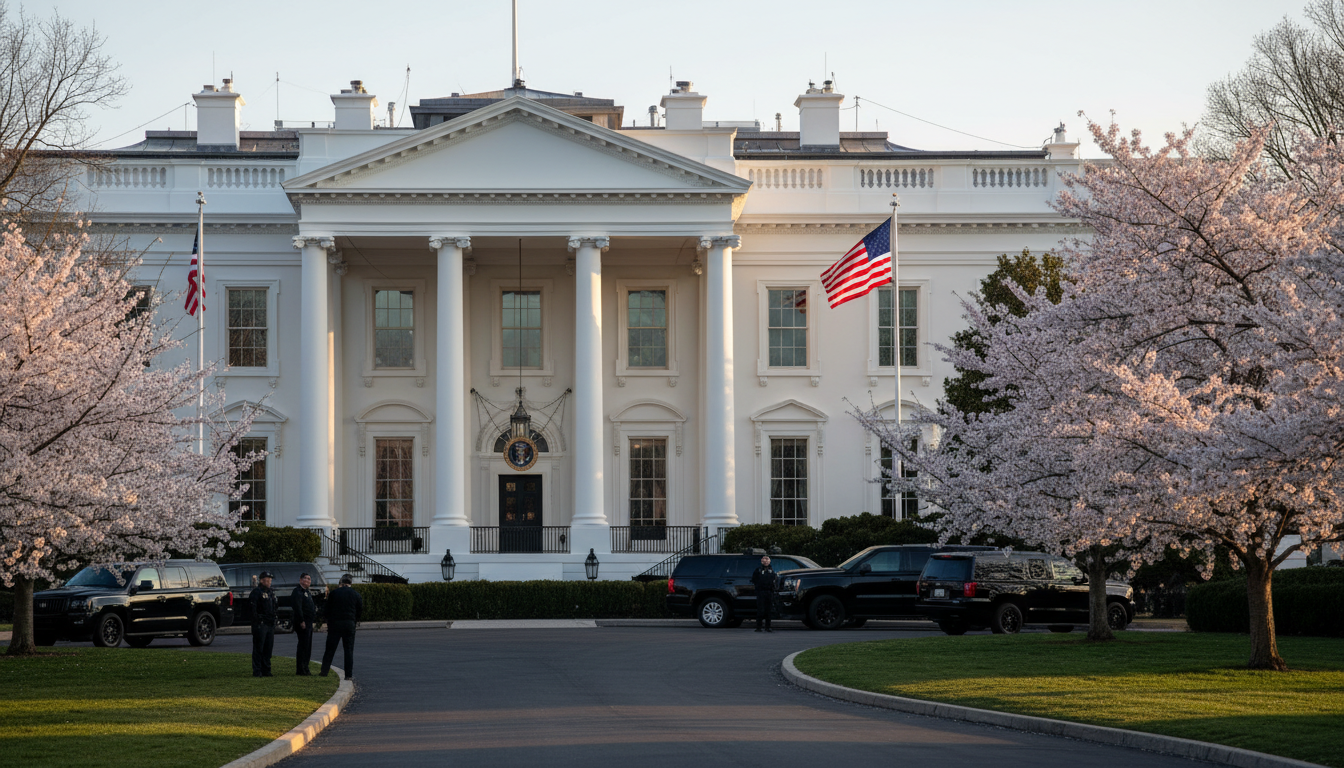
White House’s Alarming Allegations
The White House memo released this week frames the issue as an urgent counterintelligence and economic security threat. In briefings provided Today, officials said the document alleges coordinated efforts by Chinese firms to acquire sensitive US know how through illicit channels. The memo describes AI technology theft as a mix of corporate targeting and network intrusion, with the White House naming trade secret exposure and credential compromise as recurring risks. A Live readout from a senior administration official emphasized that agencies are treating the claims as actionable leads rather than abstract warnings. The memo also links the activity to broader national security reviews now under interagency scrutiny, with an Update expected alongside pending enforcement steps.
Impact on US-China Tech Relations
The allegation lands as US China relations are already strained over chips, cloud access, and advanced computing controls. In a Today statement accompanying the memo, the White House said it is weighing guardrails that would restrict high risk technology transfer and tighten screening of research partnerships. The policy discussion is tracking Live alongside financial market sensitivity to geopolitical shocks, with officials pointing to corporate compliance and supply chain stability as near term priorities. The administration also highlighted identity theft as a common entry point when staff accounts are compromised, a risk echoed in broader fraud enforcement themes seen in Tennessee, including Tennessee bans crypto ATMs statewide in expanding US fraud crackdown. For an Update on parallel regulatory posture, CoinDesk detailed the legal push in CFTC sues Wisconsin in prediction markets authority fight.
Protecting Technological Intellectual Property
Companies are being pushed to treat intellectual property protection as a board level security obligation, not just a legal function. Guidance cited by the White House points to tighter identity and access management, rapid credential rotation, and monitoring for unusual data egress that can signal trade secret collection. In operational terms, officials say engineering repos, model weights, and training pipelines require the same controls applied to financial systems, because theft often occurs through overlooked developer tooling. AI technology theft is also discussed as an insider risk problem when contractors handle sensitive code under weak audit trails. A Live focus for security teams is to document data lineage so that incidents can be scoped quickly and shared with investigators. For context on government messaging cadence, the item White House crypto adviser signals major Update on Trump strategic bitcoin reserve illustrates how agencies pair policy signals with compliance expectations.
Policy Responses to Address Theft
On the policy side, the memo is being used to justify faster enforcement pathways and sharper technology policy boundaries. The White House said Today that agencies are reviewing whether export controls, procurement rules, and visa screening should be updated to reflect how AI systems are built and stolen. A Live consideration is how to penalize beneficiaries without punishing legitimate academic exchange, with officials pointing to targeted sanctions and entity listings as more precise than broad restrictions. The memo also references closer coordination with allies, and a structured mechanism for companies to provide incident data to federal investigators. For an Update on how regulators are asserting authority in adjacent arenas, CoinDesk summarized ongoing actions in Polymarket seeks CFTC approval to reopen to US traders. The administration argues that consistent enforcement reduces incentives for cross border misappropriation.
Future of AI Innovation and Collaboration
The near term outlook is a tighter compliance environment for labs, cloud providers, and startups that touch frontier models. Officials said Today that any collaboration model will be judged by whether it safeguards intellectual property while preserving US innovation capacity, including secure compute and vetted data sharing. Industry executives briefed by the administration have described Live pressure to formalize partner due diligence, especially around subcontractors and offshore development, because small gaps can cascade into systemic exposure. AI technology theft is likely to remain a central test case for how Washington balances openness with security, with the memo positioning AI as strategically comparable to earlier eras of aerospace and cryptography. An Update on expected next steps hinges on interagency reviews and any Justice Department actions the administration elects to pursue. The policy direction signals that trust, verification, and enforceable standards will shape collaboration going forward.