West Africa Gas Pipeline Plan: What Is Approved So Far
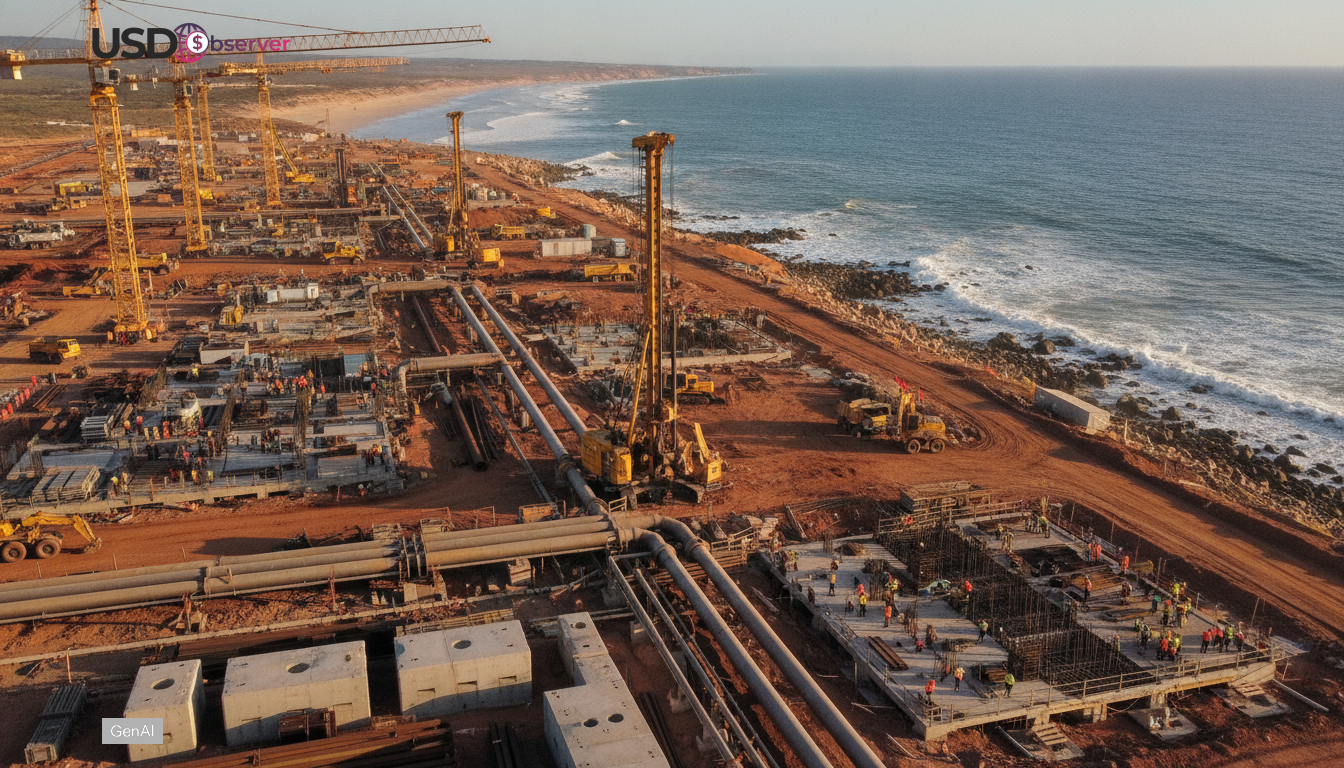
Planning for a new regional gas corridor has progressed with government endorsement of a cross-border project to transport Nigerian gas along the Atlantic coast and connect national markets. Available reports describe this proposal as a major regional energy infrastructure venture, estimating the project cost at around $25bn. The potential route may include offshore sections to reduce onshore disruption; however, project documents and final routing have not been fully published. The initiative will likely require multiple permits, marine surveys, and right-of-way agreements, subject to regulatory frameworks in each country. The next step involves converting political support into financial commitments, such as shipper backing and a financing structure capable of managing inflation and schedule risks.
Details of the $25bn West Africa Gas Pipeline Route
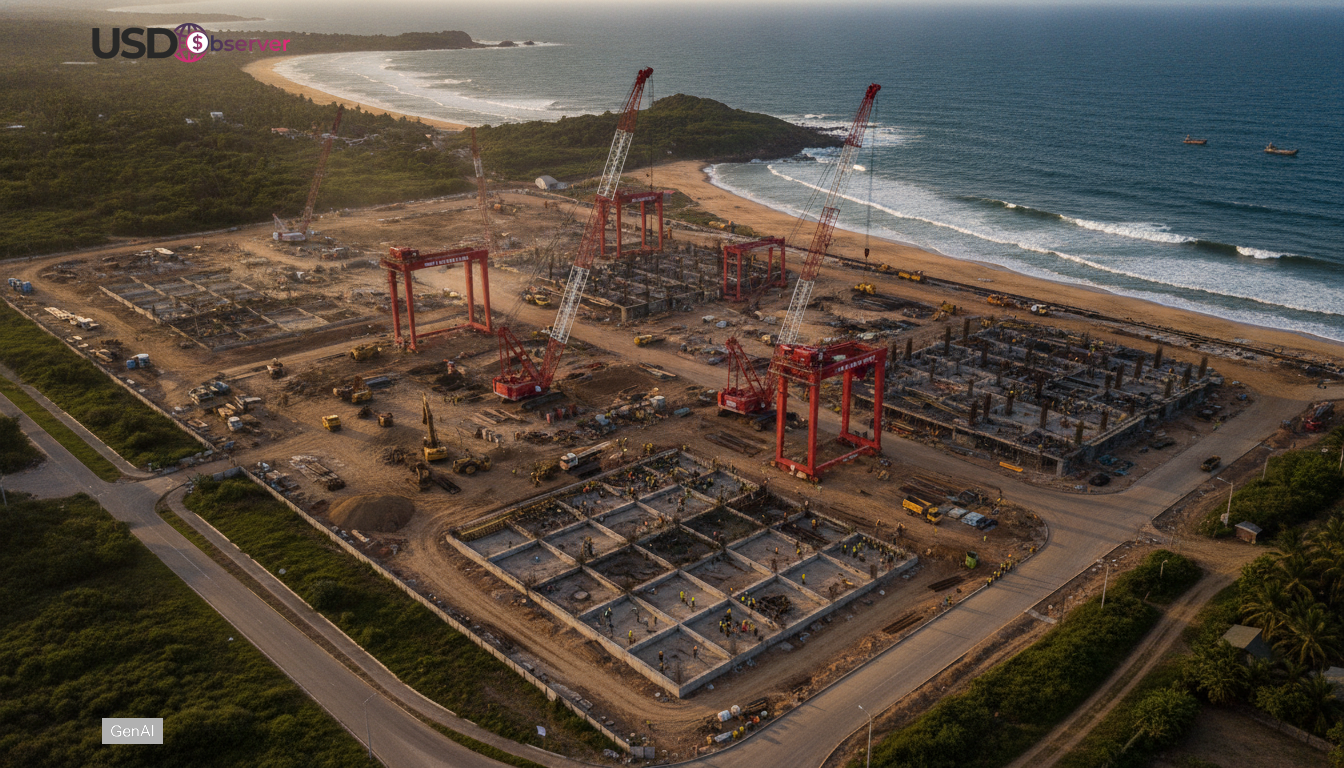
The corridor is intended to expand delivery points for power and industrial demand in various coastal states while maintaining options for exports via existing and planned terminals. Parts of the route might include offshore segments, which would necessitate seabed mapping, geotechnical work, and maritime coordination. Final capacity and landfall locations remain unconfirmed, impacting the gas flow towards domestic versus export infrastructure. As a multi-country system, the project’s commercial viability hinges on harmonized tariff rules and transparent governance for transit fees and dispute processes.
Implications for USD and Global Energy Markets
The economic assessment focuses on whether long-term contracts can justify the $25bn investment without affecting other public expenditures. This pipeline proposal also influences discussions on cross-border settlement processes for energy payments. Participating governments view it as a means to lessen reliance on expensive fuel imports and enhance regional trade in gas and electricity. The project may also have implications for USD energy markets, given that indexation choices could influence exposure to USD-priced energy fluctuations.
Environmental, Methane, and Climate Compliance Hurdles
Stringent scrutiny by regulators and lenders is expected regarding methane management, seabed disturbance, and leak detection, particularly for potential offshore stretches. Environmental and social impact assessments will be required, though detailed standards are yet unspecified. Coordination across maritime jurisdictions will be critical for segments with specific landfall and boundary considerations. The proposal will be assessed against climate commitments, with arguments that gas could replace diesel generation.
Timeline and Construction Sequencing Challenges
Execution risks are likely to center on survey sequencing, procurement, and approvals across countries while managing costs. Clarity on phased build options, compressor station locations, and grid tie-ins is crucial before reaching financial close. Large cross-border pipelines require detailed engineering and design work before major contracts can be signed, influencing the timing of financing and construction milestones.