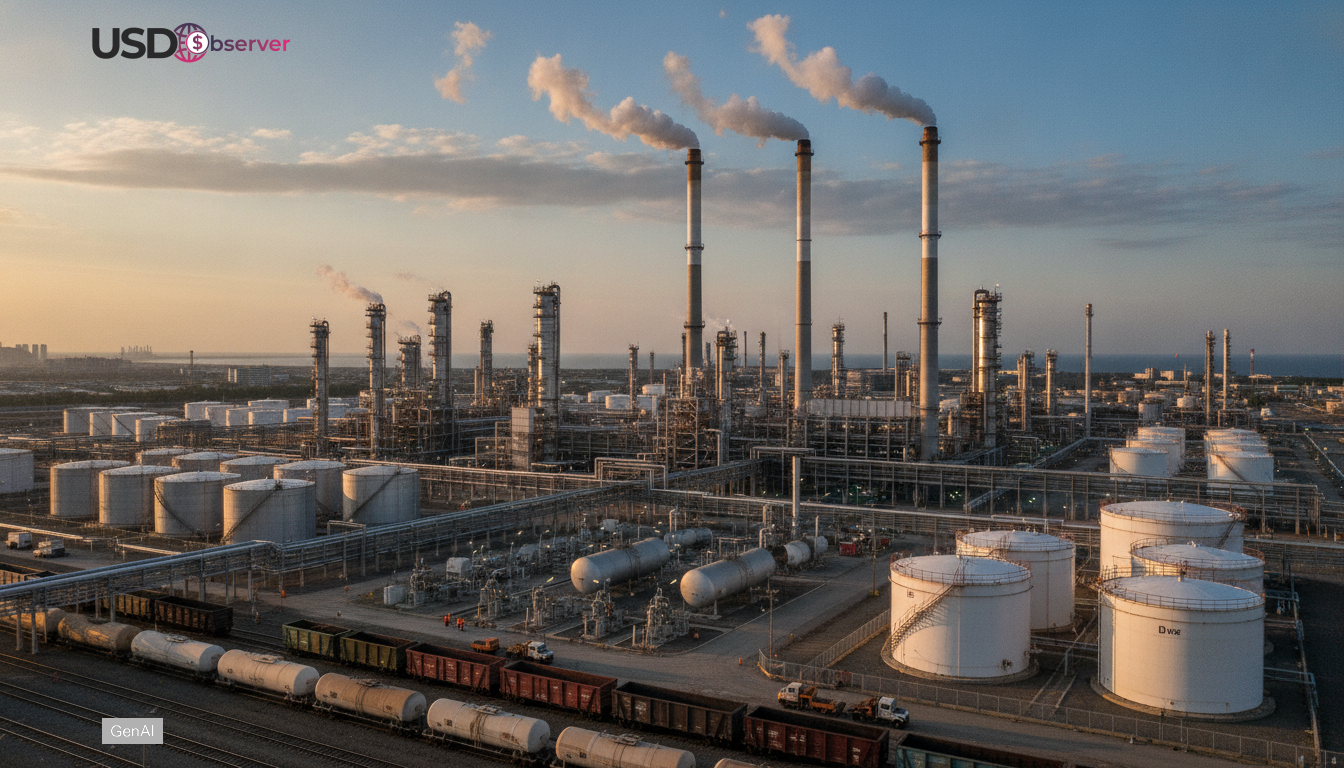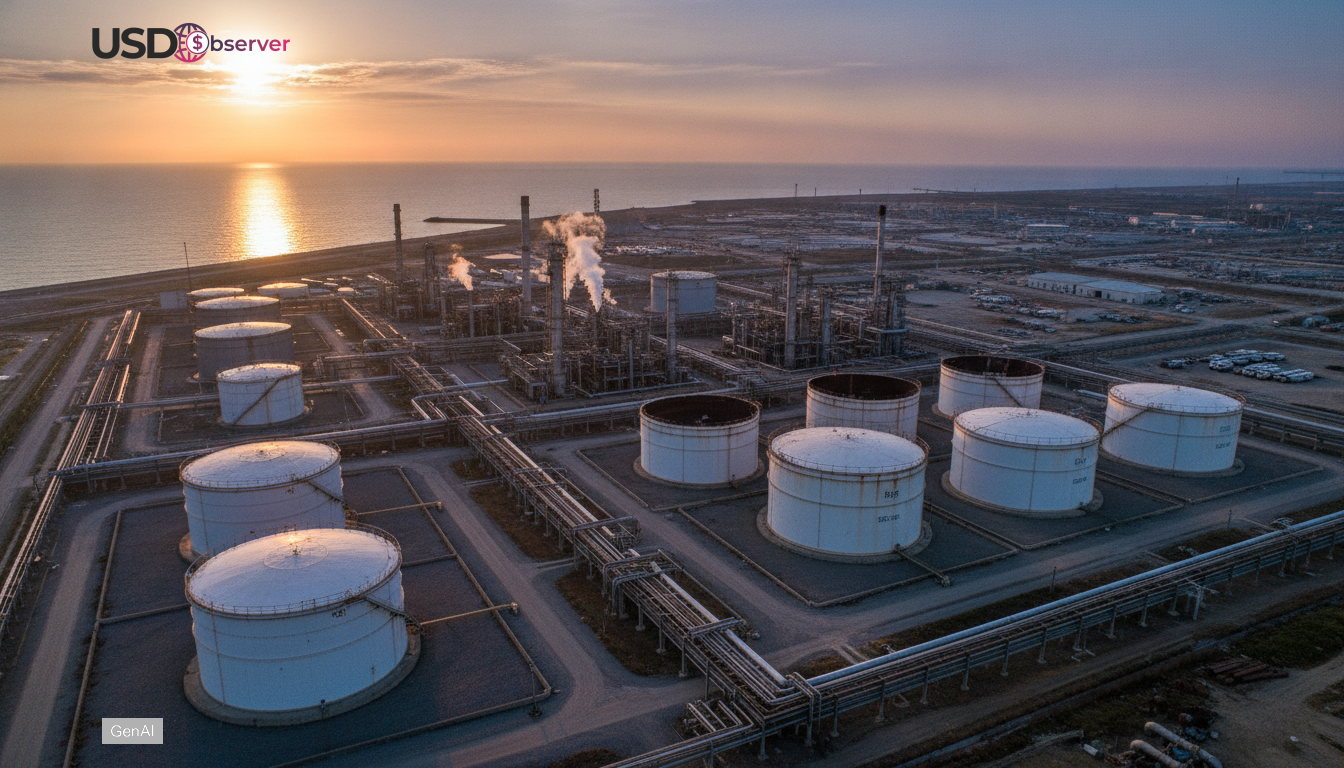
Wall Street investors are maintaining confidence in corporate earnings even as surging oil prices and geopolitical tensions weigh on broader market sentiment. U.S. equities have declined since the escalation of the Iran conflict, with the S&P 500 falling nearly 4 percent and energy prices rising sharply during the same period. Despite these pressures, analysts expect corporate profits to remain resilient in the near term, supported by strong demand, pricing power and continued momentum in key sectors such as technology. The outlook reflects a belief that companies have adapted to operating in uncertain global conditions.
Oil prices have climbed more than 30 percent since late February, driven by supply disruptions and heightened geopolitical risk, particularly around critical shipping routes in the Middle East. The surge has reignited concerns about inflation, which could impact consumer spending and delay potential interest rate cuts by the Federal Reserve. However, earnings forecasts for the first quarter have remained largely stable, with expected growth around 14 percent, indicating that companies are still performing in line with earlier expectations despite the challenging macroeconomic environment.
Market strategists say U.S. companies have become increasingly resilient to geopolitical shocks, having navigated multiple global disruptions over recent years. Businesses across sectors are adjusting to higher costs while maintaining operational stability, often passing increased expenses onto consumers or improving efficiency. Analysts note that while uncertainty remains elevated, many firms view volatility as a normal part of the current economic cycle. This adaptability is helping sustain investor confidence even as markets react to external pressures such as rising energy prices and ongoing conflict.
Industry experts highlight that while current earnings expectations remain intact, risks could emerge later in the year if oil prices remain elevated. Higher fuel costs can impact a wide range of industries, from transportation to manufacturing, potentially squeezing margins over time. Some forecasts suggest that sustained oil prices above $100 per barrel could lead to modest downward revisions in earnings estimates. Even so, analysts emphasize that the immediate impact appears limited, with most companies reporting stable demand and manageable cost pressures in the early stages of the earnings cycle.
Corporate commentary has also reinforced the view that businesses are staying cautious but not alarmed. Many companies indicate it is still too early to fully assess the long term effects of the conflict, while maintaining current guidance for the near term. Airlines, typically sensitive to fuel costs, have reported strong demand and the ability to adjust pricing strategies, helping offset rising expenses. This trend has provided reassurance to investors that key sectors can continue to perform despite higher input costs and uncertain global conditions.
Valuation metrics suggest that markets may already be factoring in some of the risks associated with rising oil prices. The forward price to earnings ratio for the S&P 500 has declined significantly from its previous highs, indicating a more balanced valuation environment. Some analysts believe this adjustment reduces the likelihood of a major market downturn, as strong earnings growth continues to support equity prices. Strategic outlooks from major financial institutions also point to continued economic resilience, driven by technology sector strength and stable corporate performance.
At the same time, investor sentiment remains closely tied to developments in the Middle East, with expectations that the conflict may be contained within a limited timeframe. Market participants are watching closely for signals on whether tensions escalate further or move toward resolution, as this will influence both energy prices and corporate outlooks. The upcoming earnings season is expected to provide critical insight into how companies are navigating current conditions and how they plan to manage risks associated with prolonged geopolitical uncertainty.