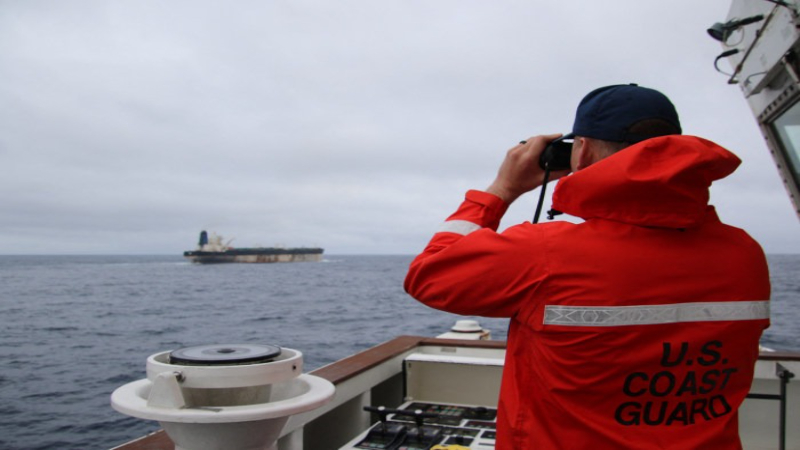
Shipping patterns in the global oil market shifted after several supertankers bound for Venezuela reversed course, highlighting renewed disruption in crude flows linked to sanctions and geopolitical pressure. The vessels had been expected to load Venezuelan crude destined for China under arrangements tied to long standing debt repayments. Instead, they altered their routes and headed back toward Asia, signaling uncertainty over whether those cargoes can move under current conditions. The episode underscores how sensitive energy trade remains to policy signals and enforcement risk, particularly when flows involve sanctioned producers and major consuming nations. For oil markets, the reversal reflects not a lack of demand, but rising friction in execution, where logistics, compliance risk, and political calculations increasingly shape physical trade.
China has historically been Venezuela’s largest oil customer and a key creditor, receiving crude shipments in lieu of cash payments after sanctions constrained financial transfers. Those flows have already slowed in recent months, and the latest shipping movements suggest further hesitation among traders and state linked operators. While public statements have suggested that China’s access to Venezuelan crude would not be curtailed, the absence of recent cargoes points to caution on the ground. Tankers assigned specifically to this trade have spent weeks idling offshore, awaiting clarity before committing to long haul voyages. The decision to turn back reflects the cost and risk of moving sanctioned oil in an environment where enforcement remains unpredictable.
The disruption comes at a time when Venezuelan output is already constrained by infrastructure challenges and political instability. Oil stored in tanks and terminals has limited pathways to market, forcing producers to rely on a narrow set of buyers and transport options. When those channels falter, barrels effectively become stranded despite being technically available. For China, the pause complicates energy sourcing at a moment when refiners are balancing inventory levels, import quotas, and geopolitical exposure. For Venezuela, it tightens cash flow and delays debt servicing through crude deliveries, reinforcing dependence on uncertain trade routes rather than stable market access.
More broadly, the tanker reversals illustrate how geopolitics can interrupt commodity flows without formal changes in supply or demand. Sanctions enforcement, diplomatic signaling, and operational risk now play a central role in determining which barrels move and which remain sidelined. The situation adds to volatility in opaque segments of the oil market, where real availability diverges from headline production figures. As long as policy uncertainty persists, trade routes involving sanctioned producers are likely to remain fragile. For global energy markets, the episode is another reminder that political risk continues to shape oil flows as much as economics.