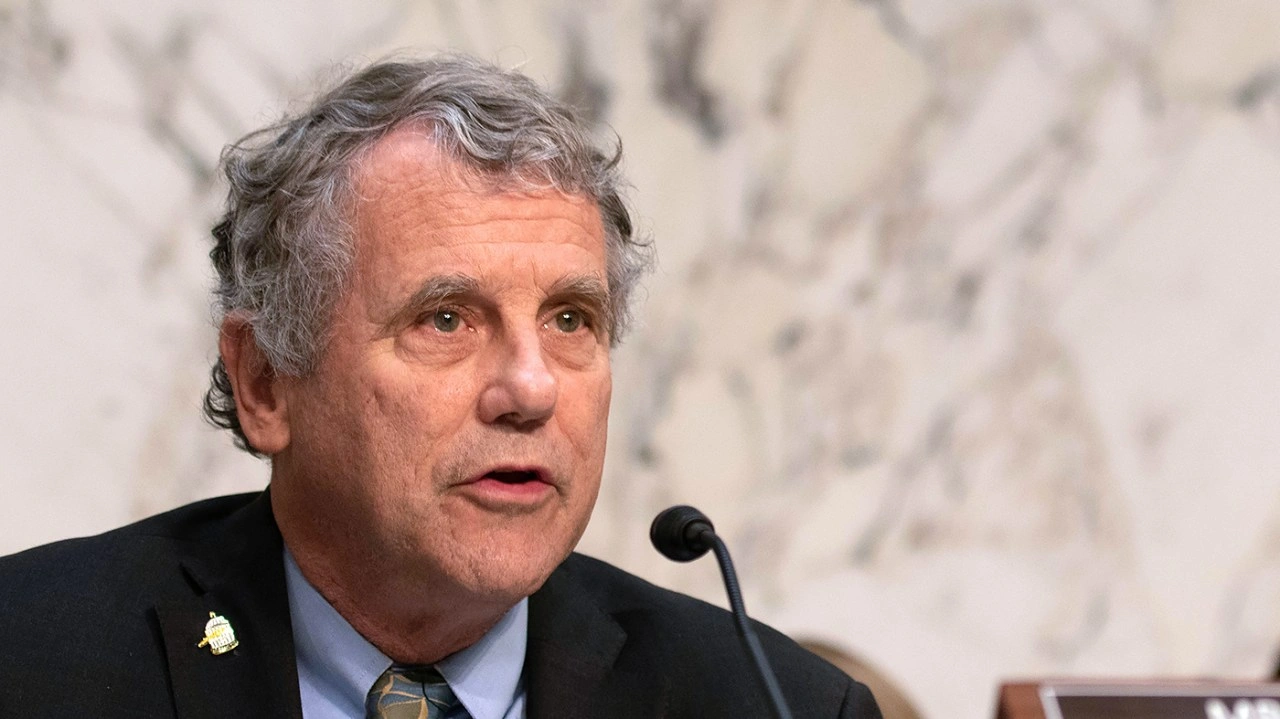
A key US Senate committee delayed debate on a landmark cryptocurrency bill after opposition from Coinbase’s chief executive raised doubts about the legislation’s viability. The Senate Banking Committee postponed a scheduled session to consider amendments to the proposal, which aims to establish a comprehensive regulatory framework for digital assets. The delay came hours after Coinbase CEO Brian Armstrong said the company could not support the bill in its current form, citing concerns over market structure and the treatment of stablecoins. The pause injected new uncertainty into a process that lawmakers had hoped would deliver long-sought clarity to an industry operating under fragmented oversight. The bill seeks to define when crypto tokens should be classified as securities or commodities and to clarify the jurisdiction of federal regulators, a central demand from industry participants for several years.
The legislation represents the culmination of extensive lobbying by crypto firms that have argued existing US securities laws are ill-suited to digital assets. While the industry broadly welcomed the effort, Armstrong said the current draft contained significant flaws. He warned the bill could weaken the role of the Commodity Futures Trading Commission, which many crypto companies view as a more appropriate overseer than the Securities and Exchange Commission. Armstrong also objected to provisions affecting stablecoins, arguing they would undermine business models that allow exchanges to offer rewards linked to dollar-pegged tokens. His public stance marked a notable shift, given Coinbase’s role as one of the most influential advocates for new crypto regulation in Washington.
The bill, known as the Clarity Act, has already passed the House of Representatives but faces a narrower path in the Senate, where bipartisan support will be required. Some Democratic lawmakers have raised concerns that the proposal lacks safeguards to prevent political officials from profiting from crypto ventures, adding to the challenges of securing votes. The Senate version prohibits crypto companies from paying interest on stablecoin holdings, a measure banks argue is necessary to prevent deposit flight from the traditional financial system. Crypto firms counter that banning such incentives would be anticompetitive and could stifle innovation. The distinction between interest and rewards has become one of the most contentious issues in negotiations.
Despite the delay, lawmakers and industry representatives signaled talks would continue. Committee leaders said stakeholders across the crypto sector and financial industry remain engaged, framing the pause as part of the legislative process rather than a breakdown. For markets, the episode underscores the regulatory uncertainty still surrounding digital assets in the United States, even as adoption grows and political attention intensifies. The outcome will shape how crypto firms operate, how stablecoins integrate with the broader financial system, and how US regulation compares with frameworks emerging in Europe and Asia. Until consensus is reached, companies and investors are likely to face continued ambiguity around compliance, enforcement, and long-term growth prospects.