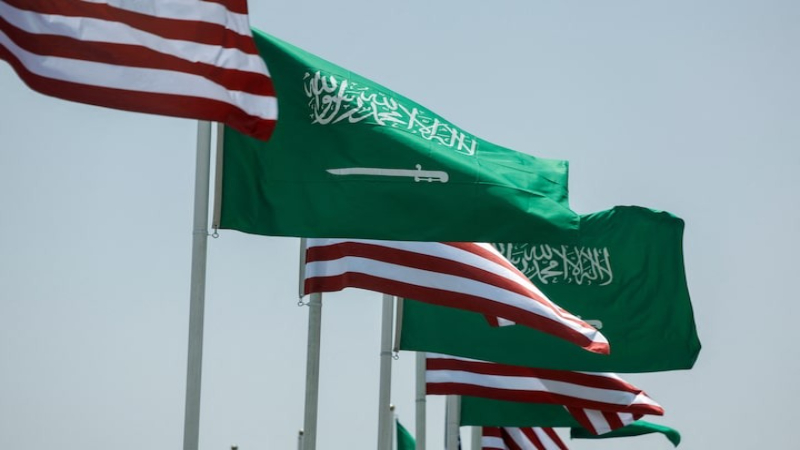
The United States is pursuing a civil nuclear cooperation agreement with Saudi Arabia that would not include some of the nonproliferation safeguards Washington has traditionally required, according to a document sent to Congress. The development marks a significant shift in policy and is likely to trigger debate on Capitol Hill over the balance between commercial interests, strategic alliances, and nuclear security concerns.
Under US law, civilian nuclear cooperation with foreign governments is governed by a framework known as a 123 Agreement, named after Section 123 of the Atomic Energy Act. Such agreements typically include provisions designed to prevent the diversion of nuclear technology for weapons development, including limits on uranium enrichment and reprocessing of spent fuel.
The draft arrangement with Saudi Arabia reportedly does not mandate that the kingdom forgo uranium enrichment or commit to the International Atomic Energy Agency’s Additional Protocol, which allows for more intrusive inspections, including snap visits to undeclared sites. Previous US administrations from both political parties have treated these provisions as core safeguards in nuclear deals with partners.
Saudi Arabia, the world’s largest oil exporter, has long expressed interest in developing civilian nuclear power to diversify its energy mix and support long term economic transformation plans. Officials in Riyadh argue that domestic nuclear capacity would help free up crude oil for export and meet rising electricity demand.
However, regional security dynamics complicate the issue. Saudi Crown Prince Mohammed bin Salman has previously stated that if Iran were to develop a nuclear weapon, the kingdom would consider pursuing one as well. That position has heightened scrutiny of any agreement that could give Saudi Arabia access to sensitive elements of the nuclear fuel cycle.
The reported changes come at a time of broader uncertainty in global arms control. The expiration of the last major strategic arms limitation treaty between the United States and Russia has fueled concerns about a renewed nuclear competition among major powers. China has also expanded its nuclear capabilities in recent years, adding to international tensions.
Supporters of the proposed deal argue that placing US companies at the center of Saudi Arabia’s civil nuclear program would strengthen oversight and embed American safety standards in the project. They contend that US participation could offer greater transparency than if the kingdom turned to alternative suppliers.
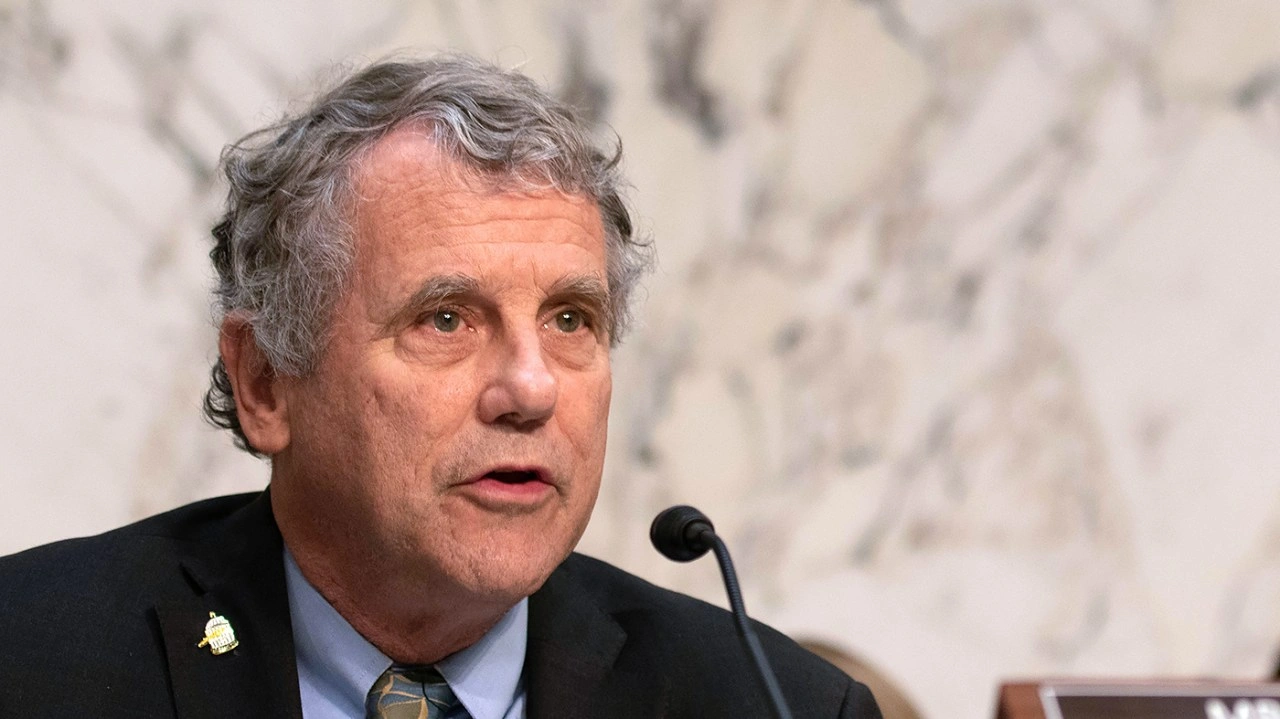
Critics, including arms control advocates and some lawmakers from both parties, warn that easing long standing guardrails could set a precedent for future agreements and weaken global nonproliferation norms. Congress will have the opportunity to review the agreement once formally submitted. Under current procedures, the deal would take effect unless both chambers pass resolutions opposing it within a specified review period.
As lawmakers examine the proposal, the outcome will carry implications not only for US Saudi relations but also for the future architecture of civilian nuclear cooperation and nonproliferation policy.