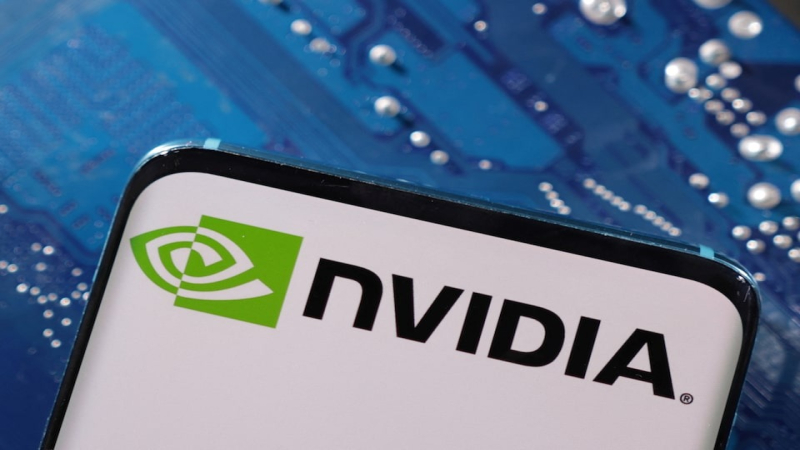
The prospect of the United States allowing Nvidia to resume sales of its advanced H200 artificial intelligence chips to China marks a notable shift in the technology trade landscape and introduces new considerations for investors watching U.S. export policy. While discussions remain preliminary, sources indicated that the administration is evaluating whether the move aligns with broader diplomatic and commercial objectives following a recent thaw in U.S.-China relations. The H200 chip, positioned as a top tier accelerator for large scale AI systems, has been central to export controls in recent years, given concerns over its potential military and strategic applications. Any decision to loosen restrictions would be interpreted as a recalibration of U.S. policy toward Chinese access to cutting edge semiconductors. For markets, the potential change carries implications for technology sector valuations, supply chain expectations and the competitive balance in high performance computing. Investors tracking USD dynamics may also view the shift within the wider context of geopolitical stability and its effect on cross border capital flows, as periods of reduced tension often support risk appetite and diversify investment away from traditional safe haven assets.
The possibility of renewed chip sales also underscores the sensitivity of U.S. export controls to broader diplomatic conditions. Recent signals of cooperation between Washington and Beijing have opened space for measured adjustments in policy that could support commercial interests without fully abandoning strategic caution. Nvidia, one of the most influential players in the AI hardware ecosystem, has seen strong global demand for its advanced processors, and expanded access to the Chinese market could reshape revenue projections at a time when AI driven capital expenditure continues to surge. For China, the availability of higher performance chips would accelerate domestic AI development efforts, easing reliance on alternative architectures and workarounds. From a global markets perspective, any policy relaxation could influence equity sentiment in both U.S. and Asian technology sectors, potentially reducing near term volatility linked to regulatory uncertainty. These shifts often spill into currency markets as well, with adjustments in global risk positioning affecting dollar flows in unexpected ways.
While the final decision remains pending, the consideration alone signals a meaningful moment in the ongoing balance between economic incentives and national security priorities. Historically, semiconductor export decisions have had ripple effects across global supply chains, commodity inputs and investment trends, making even incremental policy signals relevant for macro analysis. For USD observers, understanding how regulatory changes interact with geopolitical dynamics helps anticipate shifts in global liquidity patterns and investor behavior. Reduced friction between the world’s two largest economies typically supports broader confidence in global trade, which can moderate demand for the dollar as a defensive asset while still supporting overall stability. As both sides weigh the economic benefits against strategic sensitivities, markets will continue to monitor policy statements for clues on how the evolving relationship may shape future technology trade and its wider influence on financial flows.