US-Iran peace deal overview: what it changes
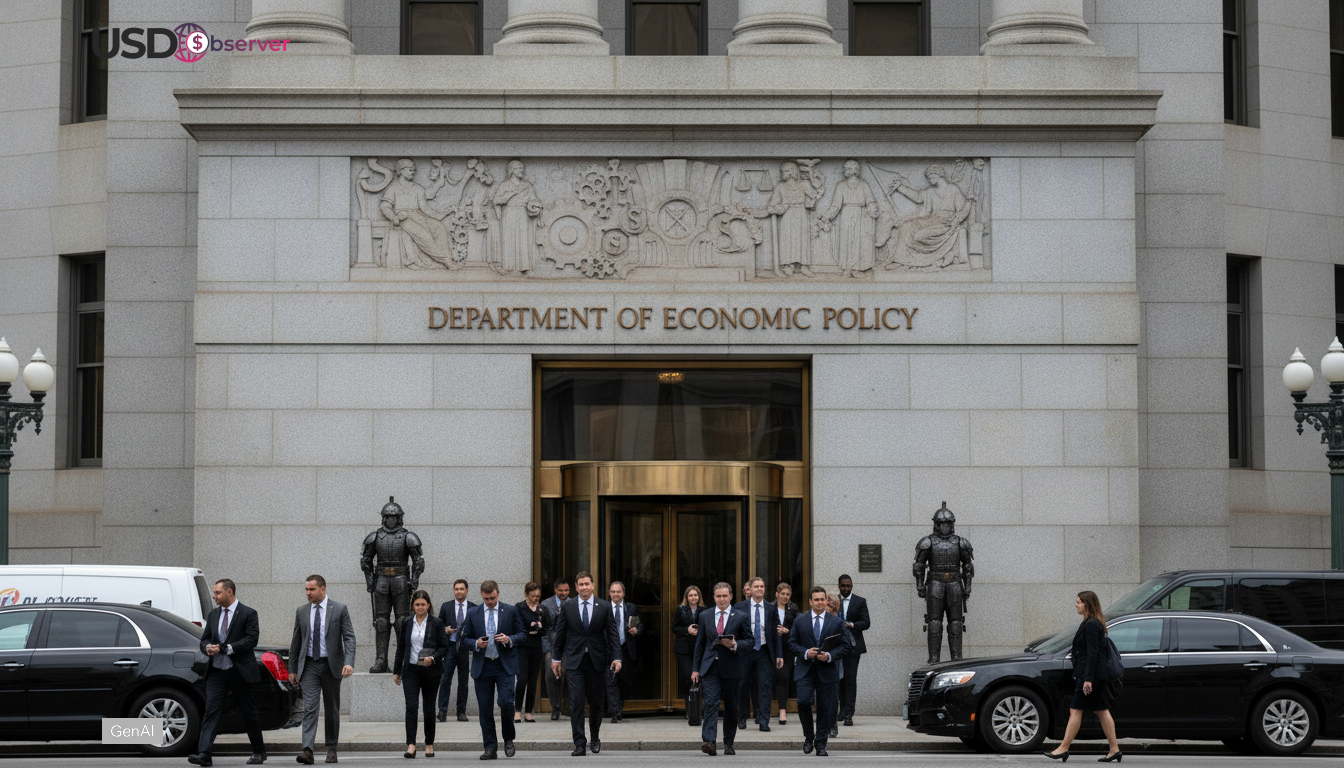
The us-iran peace deal is being priced first through sanctions enforcement, shipping access, and how quickly oil cargoes can be paid for, insured, and loaded. In the first sessions after the announcement, traders treated the agreement as a reduction in geopolitical risk premium even before physical flows changed. According to available reports, it is viewed as a diplomatic step that could shift energy supply and, by extension, household fuel and food costs worldwide. What matters most is the fine print: partial relief can still leave banks, insurers, and refiners cautious, keeping export volumes below capacity until rules are clear. This is why market repricing can be fast, while real-world logistics adjust more slowly.
US-Iran peace deal and global oil prices: the first market move
Immediate price action reflected risk appetite and expectations of incremental barrels reaching the market, not a sudden jump in demand. As indicated by reports, oil prices fell and shares jumped after the deal was announced, a classic unwind of hedges tied to conflict scenarios. Options markets also signaled lower short-term tail risk, while longer-dated pricing continued to embed uncertainty around compliance and verification. For broader context on how rate expectations ripple across markets, see Fed Policy and the Global Ripple Across Rate Markets, because most energy trade is invoiced in USD, changes in crude expectations can spill into dollar funding and hedging behavior across FX and rates. The speed of the move matters for inflation expectations and for energy-sensitive equities.
US-Iran peace deal terms: sanctions, shipping, and payments
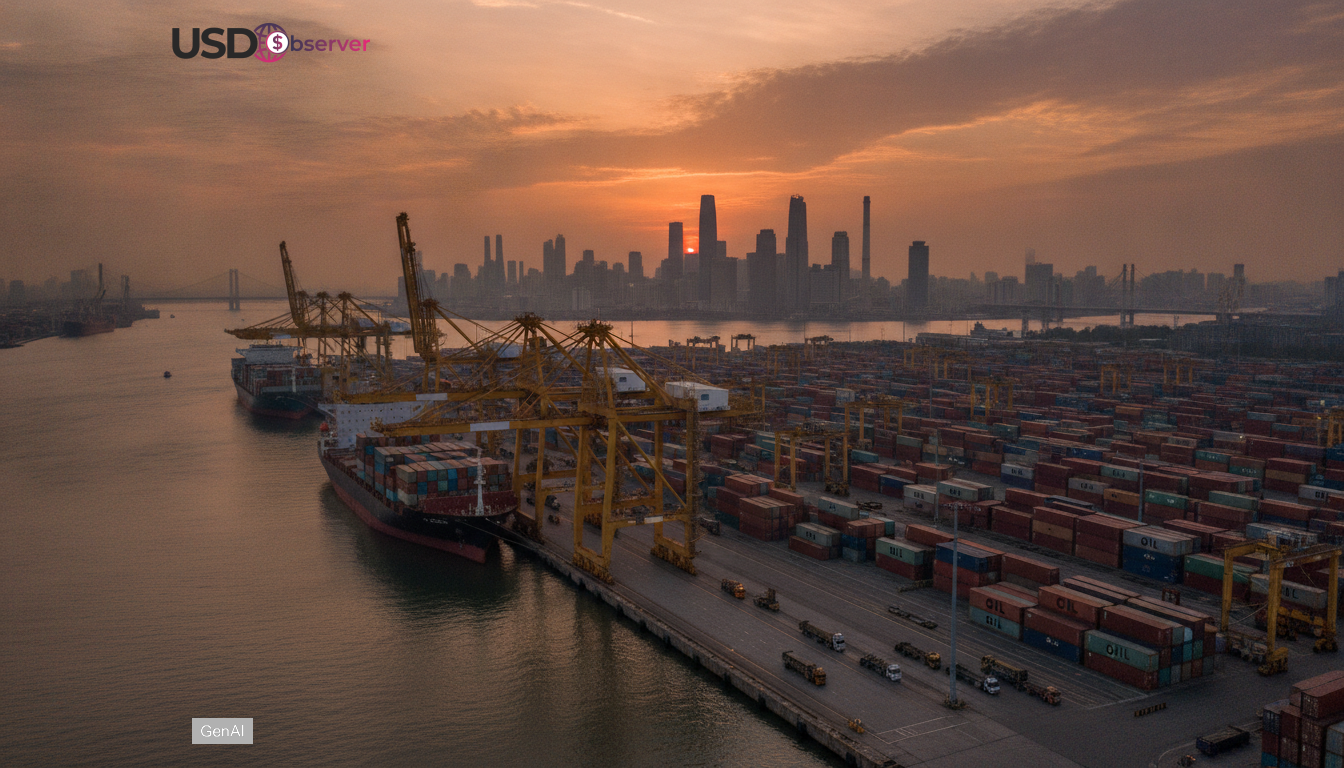
Whether the us-iran peace deal translates into sustained exports hinges on compliance pathways that make cargoes financeable and deliverable. Buyers typically require clarity on what is permitted, which entities are covered, and how quickly enforcement changes in practice, because even small legal uncertainties can raise insurance costs or deter shipping. Analysts watch observable data such as tanker loadings, port activity, and the pace of refinery purchases to separate headlines from throughput. For readers tracking market infrastructure and settlement rails that can influence cross-border flows, see Tokenized Deposits Push Faster Bank Settlement Rails. Confirmation through trade and shipping behavior is what ultimately anchors pricing, and related background on sanctions-linked fuel constraints is available in UK Russian diesel ban tightens fuel sanctions timeline.
How oil filters into food costs and inflation
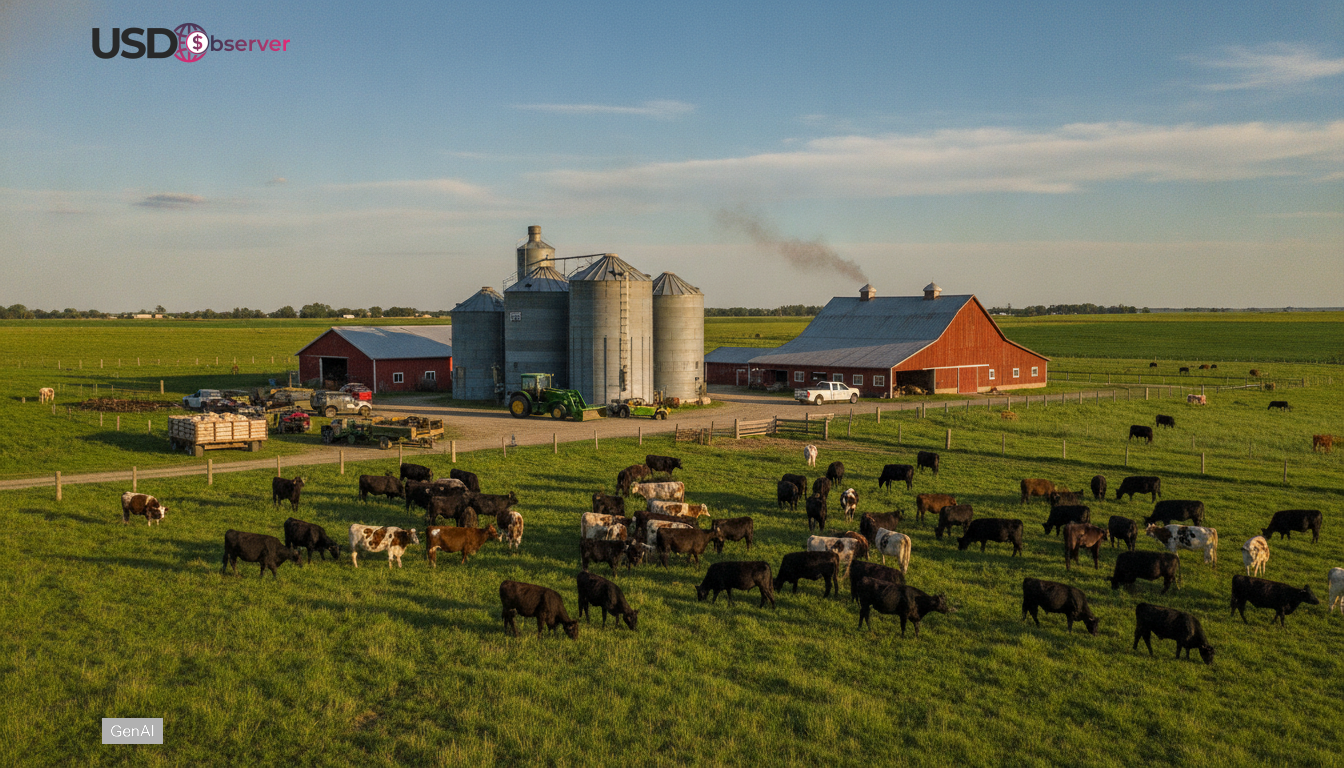
Cheaper crude does not only affect gasoline, it can also lower costs embedded across farming and food distribution. According to available reports, the food channel is influenced by diesel and transport costs affecting planting, storage, and delivery, while energy also impacts fertilizer and processing costs. Even without new harvest data, markets can reprice food commodities when fuel inputs and freight assumptions shift, and for context on recent cost pressures tied to regional tensions, see Iran war impact: UK economy contracts as costs rise. The pass-through into official CPI baskets is often uneven across countries and can take months, but it is closely watched by central banks because energy-driven disinflation can change the expected path of interest rates. The net effect differs for exporters and importers.
Global growth outlook and what to watch next
Over the next quarters, markets will judge the us-iran peace deal by realized shipments and by how quickly lower energy costs show up in consumer bills and food inflation prints. Key signposts include verification steps, the durability of any sanctions relief, and whether banks and insurers re-enter transactions at scale, and for a primary source on the oil and food-cost angle, see How could the US-Iran deal affect oil prices and the cost of food?. If supply increases prove reliable, energy-importing economies can see improved trade balances and stronger real disposable income, while producers may face weaker fiscal receipts and adjust capital spending. Traders also monitor refined product spreads, because diesel and gasoline markets can tighten or loosen differently than crude.