US-Iran oil agreement: what changed and why it matters
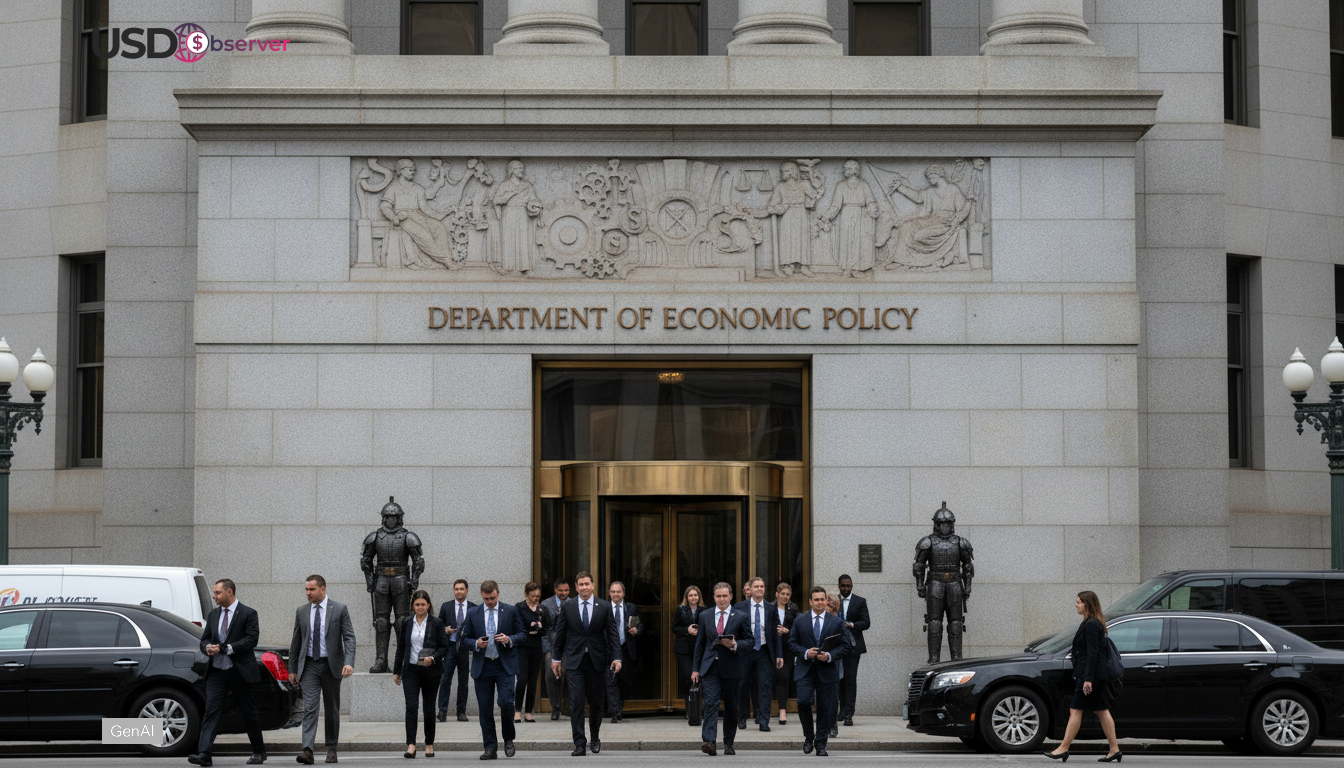
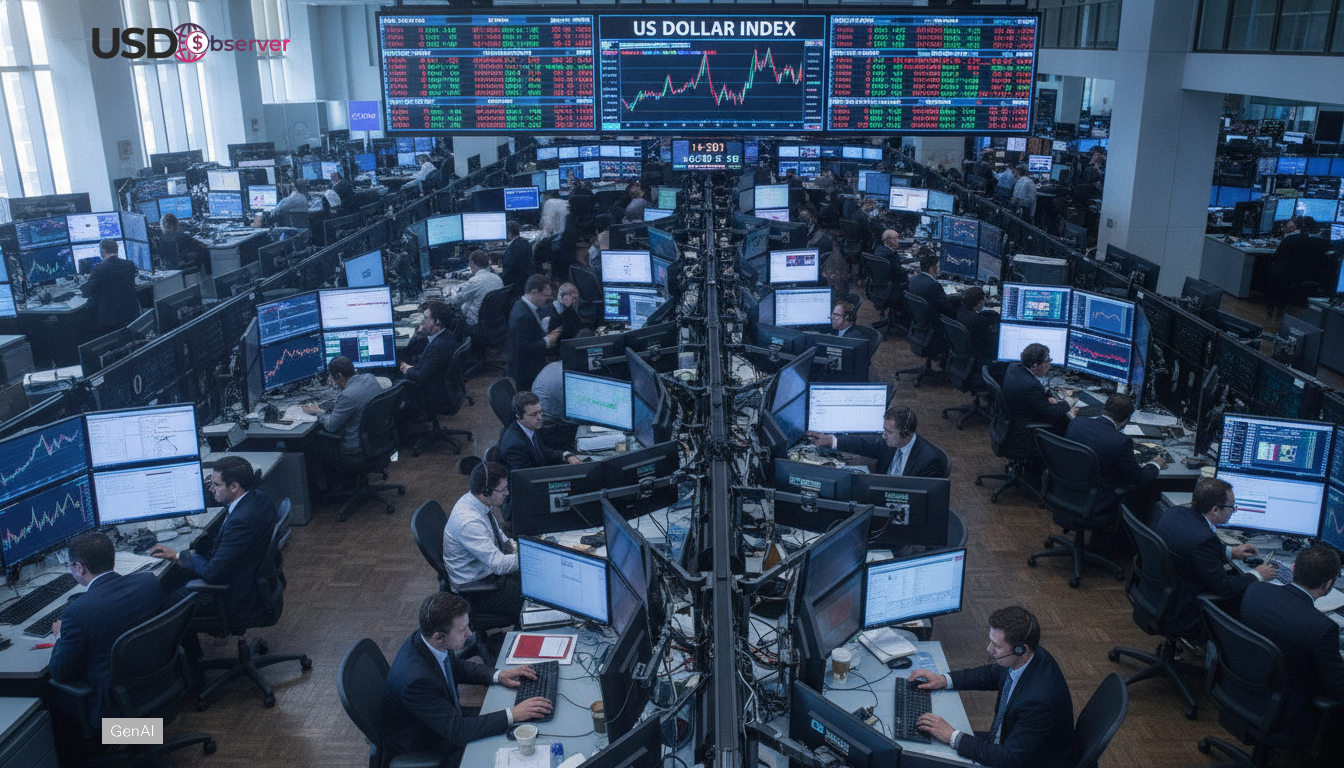
According to available reports, the US-Iran oil agreement shifted market expectations around supply risk and sanctions enforcement, and traders responded by marking down crude while adding to equities. Early pricing appeared to focus less on confirmed extra barrels and more on a perceived lower probability of near-term disruption in key shipping corridors. That kind of shift can move prompt futures quickly because a geopolitical premium is often reflected in front-month contracts. In practical terms, desks reportedly adjusted hedges for refiners, airlines, and importers as volatility eased. The announcement also contributed to broader macro repricing, since cheaper energy can, in theory, reduce inflation pressure and influence rate expectations. Initial market moves likely reflected sentiment, positioning, and risk management more than immediate physical flows during the first trading sessions after the announcement.
Deal details and immediate market repricing
In the first trading sessions after the announcement, price action suggested the key mechanism was risk-premium compression rather than a verified export surge. The agreement became a reference point for crude spreads, freight assumptions, and refinery input costs, even while officials did not publish a detailed technical schedule. In its coverage of the announcement, the BBC described crude sliding and equities rising as markets recalibrated. For investors tracking broader risk appetite and liquidity preferences, Stablecoins Win Over TradFi Advisors, Not Bitcoin Yet offers context on how some allocators treat stable value products as operational cash substitutes during fast macro shifts. In the sessions that followed, traders continued to compare price moves across front-month contracts, cracks, and freight assumptions.
Oil prices, petrol and diesel: what consumers may see
Lower benchmarks can filter into retail fuel, but the pass-through is uneven because taxes, refining constraints, and distribution margins can delay changes at the pump. The BBC explored the near-term consumer angle in What’s happening to UK petrol and diesel prices now the US and Iran have a deal?, highlighting how quickly sentiment can shift versus how slowly retail prices sometimes adjust. Traders also watch product cracks, since gasoline and diesel pricing depends on refining economics as much as crude itself. Even if the US-Iran oil agreement reduces headline risk, outages, shipping insurance costs, and compliance uncertainty can still reintroduce volatility. For a sanctions timeline comparison, see UK Russian diesel ban tightens fuel sanctions timeline, which market desks often use when discussing how enforcement changes can arrive in stages. The net effect for households can differ by region and by how quickly wholesale moves reach forecourts.
Food, inflation and global trade impacts
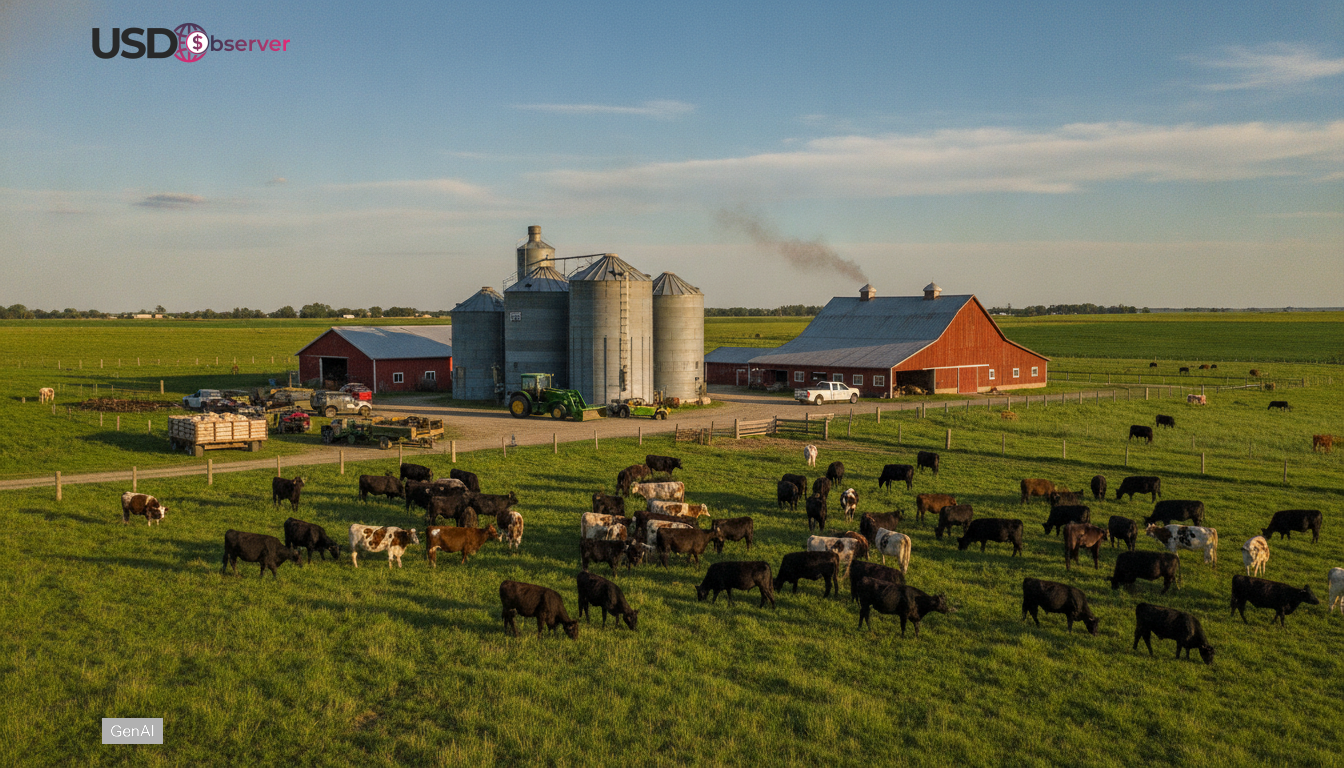
Energy is a cost input across fertiliser, transport, and logistics, so a sustained drop in crude can influence food prices with a lag, according to the BBC’s discussion of potential knock-on effects. Central banks monitor these channels because energy-driven inflation can affect policy paths, bond yields, and currency funding conditions, though outcomes depend on local taxes, wages, and supply constraints. The BBC connected these links in How could the US-Iran deal affect oil prices and the cost of food?, framing how lower fuel costs can ease pressure on households and importers. For exporters reliant on hydrocarbon revenue, a weaker oil price environment can mean softer fiscal inflows even if global demand steadies. In 2025 policy planning, officials also watch how changes in shipping insurance and freight rates filter into import bills. More broadly, the arrangement could reduce some energy-security frictions that have weighed on trade flows in recent years, although the extent would depend on implementation and regional security conditions.
Investor playbook: risks, hedges and scenarios
For portfolios, the discipline is separating the initial impulse from the conditions required to sustain it. This agreement may reduce perceived tail risk, but policy reversals, enforcement disputes, and shipping security incidents can reprice quickly and widen spreads again. Energy equities and credit can lag crude, so relative-value trades depend on how fast margins and capex assumptions reset, according to market participants’ typical playbooks. For rates context, cross-check scenarios with Fed Policy and the Global Ripple Across Rate Markets, especially if lower energy inflation feeds into expectations for 2025 policy settings. Currency markets may respond through terms-of-trade effects, potentially changing hedging costs for global investors. A balanced approach uses stress tests, not just the first headline move.