US consumer inflation picked up in December as households faced higher costs for essential items, reinforcing the challenge of easing living expenses even as overall price pressures remained contained. Consumer prices rose at a steady pace, driven primarily by increases in food and shelter, after temporary distortions linked to the government shutdown faded from earlier data. The annual inflation rate held firm, aligning with expectations and supporting the view that price growth has stabilized rather than accelerated. Financial markets responded calmly, with Treasury yields easing and the dollar strengthening modestly, signaling confidence that inflation trends remain manageable. For policymakers, the data reinforced expectations that interest rates will stay unchanged in the near term, while leaving room for potential easing later in the year if conditions allow.
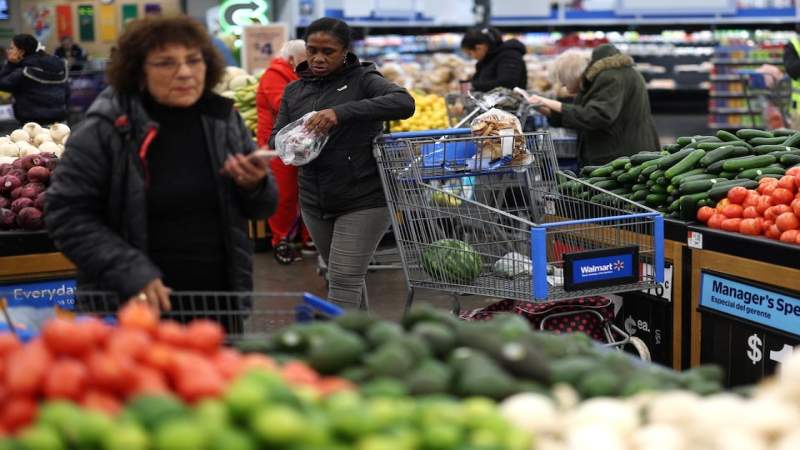
Food prices emerged as a key source of strain for consumers, recording their largest monthly increase in more than three years. Higher costs were widespread across groceries and dining, with notable rises in meat, dairy, produce, and beverages. Restaurant prices also climbed sharply, highlighting how households are feeling inflation most acutely in everyday spending rather than headline measures. Although some trade related pressures have begun to ease, economists cautioned that relief at the checkout counter may take time to materialize. Rising food costs continue to shape consumer sentiment and spending behavior, amplifying affordability concerns even as broader inflation indicators suggest moderation.
Housing related expenses remained the single largest contributor to price growth, with rents and other shelter costs continuing to rise at a pace that outstrips overall inflation. While some housing indicators point to gradual cooling, rent inflation remains elevated, reflecting tight supply and lagging adjustments from earlier market conditions. Other service categories showed mixed trends, with transportation, travel, and healthcare posting increases, while goods such as used vehicles and household items declined. Excluding food and energy, underlying inflation advanced modestly, reinforcing the view that core pressures are contained but uneven across sectors of the economy.
The inflation report leaves the Federal Reserve in a cautious position as it balances signs of progress against persistent pockets of pressure. Officials are expected to maintain current interest rates at upcoming meetings while monitoring whether early year price increases emerge, as has often been the case historically. Political uncertainty and policy debates add another layer of complexity, particularly as higher living costs remain a sensitive issue for households. For now, the data supports a wait and see approach, with markets continuing to price in the possibility of rate cuts later in the year if inflation continues to cool without undermining economic stability.