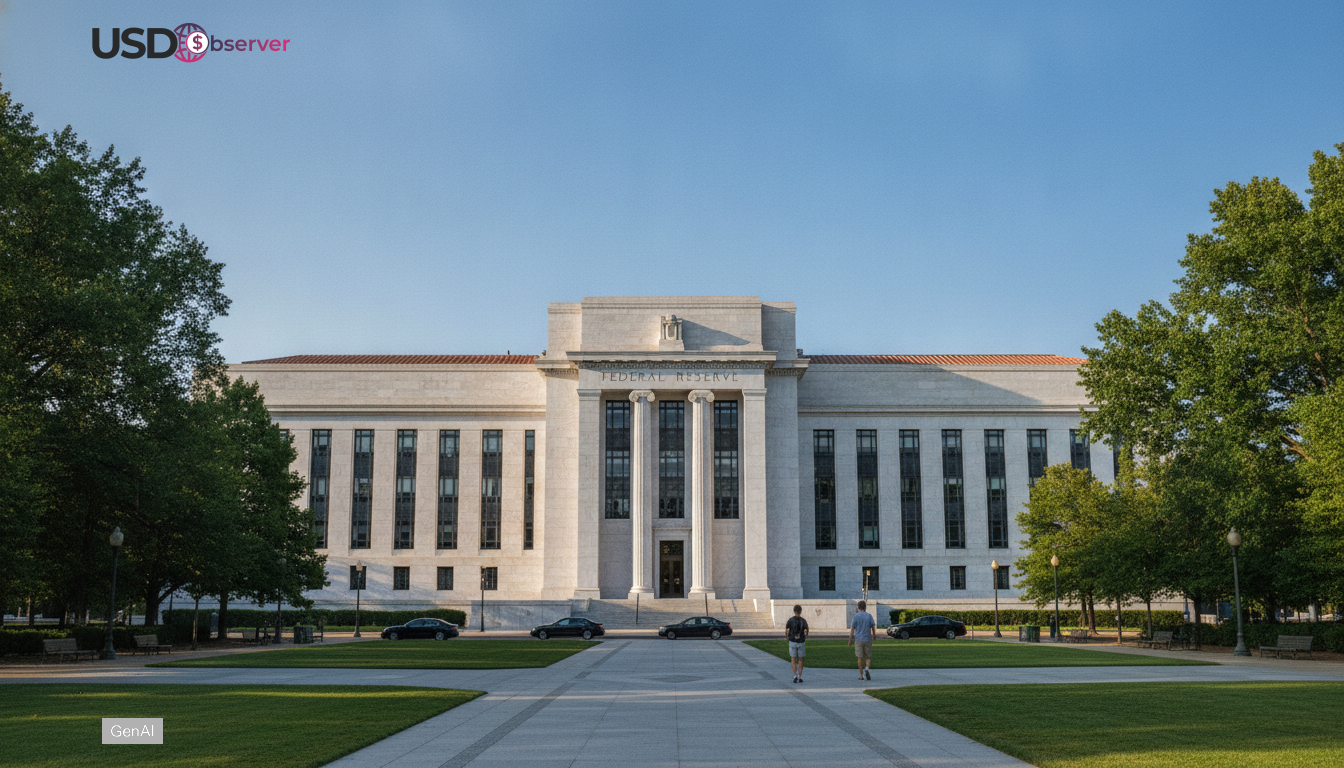
The U.S. labor market showed fresh signs of cooling in the fourth quarter as hiring momentum slowed and wage growth moderated. The gradual deceleration in employment has strengthened expectations that the Federal Reserve may pivot toward policy easing in 2026 to support growth and balance inflation risks.
While job creation remains positive, the pace has eased from earlier in the year, suggesting the effects of higher interest rates are filtering through the economy. For markets, the softer data adds weight to forecasts of a policy shift that could reshape the outlook for yields, consumer demand, and global liquidity.
Slower Hiring and Wage Moderation
Recent employment figures point to a steady, rather than sharp, slowdown. Payroll additions have fallen short of earlier expectations, with particular softness in sectors such as manufacturing, technology, and retail. The service industry continues to provide stability, but hiring there has also moderated compared to the post-pandemic rebound.
Wage growth, one of the most closely watched indicators by the Federal Reserve, is showing signs of leveling off. While average hourly earnings remain higher than pre-pandemic levels, gains have slowed over recent months. This suggests reduced inflationary pressure from the labor market, supporting the case for a gradual shift toward a more accommodative policy stance.
At the same time, the unemployment rate has edged slightly higher but remains historically low, reflecting the resilience of the broader U.S. economy. The combination of cooling job creation and contained wage growth points to a soft landing rather than a contraction, a scenario that policymakers and investors view as the most favorable outcome.
Market Expectations and Policy Recalibration
Financial markets have quickly adjusted to the changing employment narrative. Treasury yields declined modestly following the latest data, reflecting increased confidence that the Fed could begin lowering rates in the second half of 2026. Futures pricing now implies at least two rate cuts next year, though officials have yet to signal a specific timeline.
Equity markets have responded with cautious optimism. Lower rate expectations have supported risk assets, particularly in interest-sensitive sectors such as housing and technology. However, investors remain aware that the Fed may prefer to confirm a sustained decline in inflation before committing to easing.
For the Federal Reserve, balancing inflation control with employment stability remains a delicate task. Policymakers have noted that while inflation has eased, it remains above target in core categories like services and shelter. The Fed’s next moves will depend heavily on whether wage growth and labor participation continue to trend in a direction consistent with price stability.
Signs of a Soft Landing
The labor market’s current trajectory aligns with the soft-landing scenario that many analysts had hoped for. Rather than a sudden surge in unemployment, the data indicates a gradual normalization that helps ease inflation without triggering a recession. Business confidence has improved slightly as input costs stabilize and supply-chain disruptions fade.
Consumer demand, while slowing, continues to support the economy. Household spending on essentials remains firm, though discretionary purchases are showing early signs of restraint. This measured adjustment suggests that households are adapting to higher borrowing costs without a sharp pullback in activity.
Corporate investment has also steadied after a period of hesitation. Companies are focusing on productivity and efficiency gains rather than aggressive expansion. This trend contributes to employment stability but limits new job creation, keeping labor-market conditions in a controlled balance.
Implications for Global Markets
The U.S. labor trend carries significant global implications. A cooling but stable employment picture strengthens the dollar in the near term while easing long-term pressure on yields. Global investors see this as a sign of disciplined U.S. policy management, reinforcing confidence in dollar-denominated assets.
For emerging markets, expectations of a Fed policy shift could bring relief from capital outflows and currency volatility. Softer U.S. yields typically encourage renewed investment into higher-yielding assets abroad, improving liquidity conditions across developing economies.
However, any renewed surge in inflation or unexpected rebound in wage growth could delay easing and reintroduce volatility. Markets remain sensitive to the possibility that the Fed may prioritize inflation control over growth if data turns mixed again. For now, stability in U.S. employment offers a cautiously positive signal for global financial equilibrium.
Conclusion
The cooling U.S. labor market suggests that the long cycle of monetary tightening may finally be approaching its end. Slower hiring and steady wage moderation indicate that inflation pressures are easing without severe economic fallout. While the Federal Reserve will continue to monitor incoming data, markets are preparing for a policy recalibration that could define the next phase of global liquidity. The balance between employment, inflation, and growth remains delicate but for now, the U.S. appears to be navigating it with measured precision.