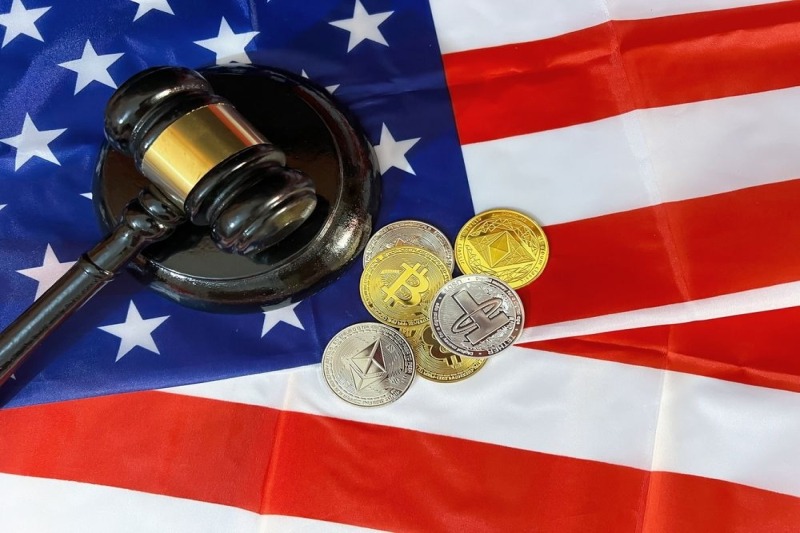
Efforts to establish comprehensive cryptocurrency regulation in the United States have encountered a new political obstacle, raising uncertainty about whether landmark digital asset legislation can pass this year. Lawmakers and industry participants had hoped that the proposed framework would finally clarify how cryptocurrencies and related financial products should be regulated. However disagreements between banks, crypto companies and policymakers have stalled negotiations, leaving the future of the legislation unclear at a time when the digital asset industry is seeking greater regulatory certainty.
The proposed legislation aims to provide clear rules defining how different types of digital assets should be treated under US law. Supporters argue that clearer regulatory frameworks would encourage innovation and investment by removing the legal ambiguity that has surrounded the industry for years. Cryptocurrency companies say the absence of consistent rules has slowed the development of new financial products and limited their ability to compete globally. The bill is designed to create a more predictable regulatory environment that could accelerate the growth of digital asset markets in the United States.
One of the most contentious issues surrounding the bill involves whether crypto platforms and stablecoin issuers should be allowed to offer yield generating products or rewards to users. Crypto firms argue that such incentives are essential for attracting customers and expanding adoption of blockchain based financial services. They contend that banning reward mechanisms would place the industry at a disadvantage compared with traditional financial products that already provide interest or returns to customers.
Banks have strongly opposed this aspect of the legislation, warning that allowing digital asset platforms to offer rewards could trigger a shift of deposits away from the traditional banking system. Financial institutions rely heavily on customer deposits as a primary source of funding for loans and other credit activities. If stablecoins and crypto platforms are permitted to offer attractive yields, banks fear that a large portion of deposits could move into digital asset products, potentially affecting liquidity within the banking sector.
Analysts estimate that stablecoin growth could eventually redirect hundreds of billions of dollars away from traditional bank deposits if reward based products become widely available. This possibility has intensified the debate between financial institutions and the cryptocurrency industry. Banks argue that regulators must consider the broader implications for financial stability, while crypto advocates maintain that innovation should not be restricted simply to protect the traditional banking model.
Negotiations over the bill have also been complicated by political disagreements within Congress. Some lawmakers have raised concerns about ethical issues and potential conflicts of interest related to digital asset ventures connected to political figures. Others have emphasized the need for stronger safeguards against illicit finance, including enhanced anti money laundering requirements for crypto platforms. These additional debates have slowed progress on the legislation and created further uncertainty about its final form.
The timeline for passing the legislation is becoming increasingly tight as lawmakers prepare for upcoming election campaigns. Legislative calendars typically become more limited in the months leading up to midterm elections, making it harder for complex bills to advance through Congress. Industry advocates worry that if the legislation is not approved within the next several months, the opportunity to pass a comprehensive crypto framework could be delayed for years.
The uncertainty surrounding the bill comes at a time when the cryptocurrency sector has been pushing for stronger integration with the broader financial system. Over the past several years digital asset companies have invested significant resources into lobbying and policy engagement in an effort to shape the regulatory environment. The industry believes that clear rules governing digital assets, stablecoins and tokenized financial instruments could unlock substantial growth and attract greater institutional participation in the market.