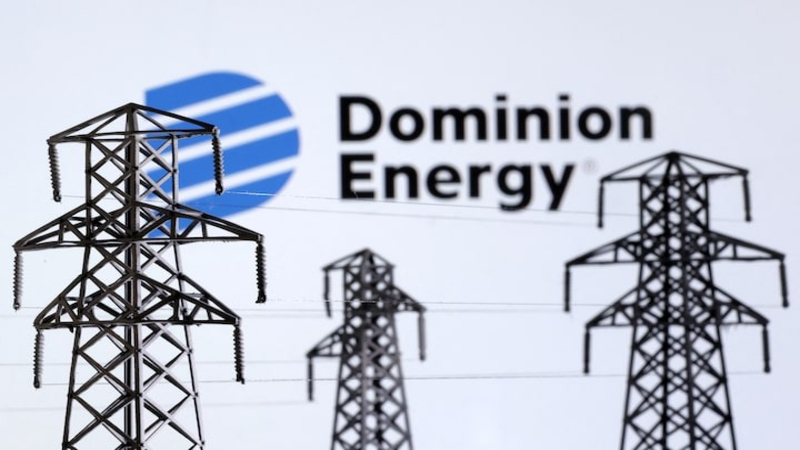
A US federal judge has allowed Dominion Energy to restart construction on its major offshore wind project off the coast of Virginia, marking a significant development for the renewable energy sector amid ongoing legal and political tensions. The ruling permits work to resume while litigation against the Interior Department continues, easing uncertainty around a project that had been halted under a federal stop-work order. The court found that the suspension was overly broad and not sufficiently tailored to the specific circumstances of Dominion’s project, particularly as the concerns cited by the government related more to future operations than to ongoing construction. The decision provides near term relief for developers and investors who have faced repeated disruptions across the offshore wind industry.
The project, which represents one of the largest offshore wind investments in the United States, has already absorbed substantial capital and is nearing completion. Its restart underscores the high stakes surrounding energy infrastructure development as legal challenges intersect with shifting federal policy priorities. Dominion has emphasized that the project is critical to regional power supply, with expected capacity sufficient to serve hundreds of thousands of homes. The ruling allows construction activity to resume at a time when delays could have further increased costs and strained supply timelines. For markets, the decision reduces immediate downside risk tied to project suspension, though longer-term uncertainty remains tied to the outcome of the broader legal dispute.
This ruling follows similar court decisions earlier in the week favoring other offshore wind developers, reinforcing judicial skepticism toward blanket federal actions that pause projects already under construction. The government had cited classified national security concerns linked to radar interference, but judges have questioned whether such risks justify sweeping construction halts without project-specific assessments. These legal setbacks highlight growing friction between executive policy efforts to curb offshore wind development and state-level strategies that rely on renewables to meet energy transition goals. Several coastal states view offshore wind as a key component of long term emissions reduction and grid diversification, increasing pressure to resolve regulatory and legal uncertainty.
From a broader economic and policy perspective, the decision carries implications beyond the renewable sector. Large-scale energy projects influence capital investment, employment, and regional growth, while also intersecting with inflation and infrastructure spending dynamics. Continued legal ambiguity may weigh on investor confidence in US clean energy deployment, even as court rulings provide incremental clarity. For currency and macro-focused observers, the case reflects how policy unpredictability can affect capital flows and long-dated investments. While the restart offers short-term momentum for offshore wind, sustained progress will depend on regulatory stability and coordination between federal agencies and state energy objectives in an increasingly polarized policy environment.