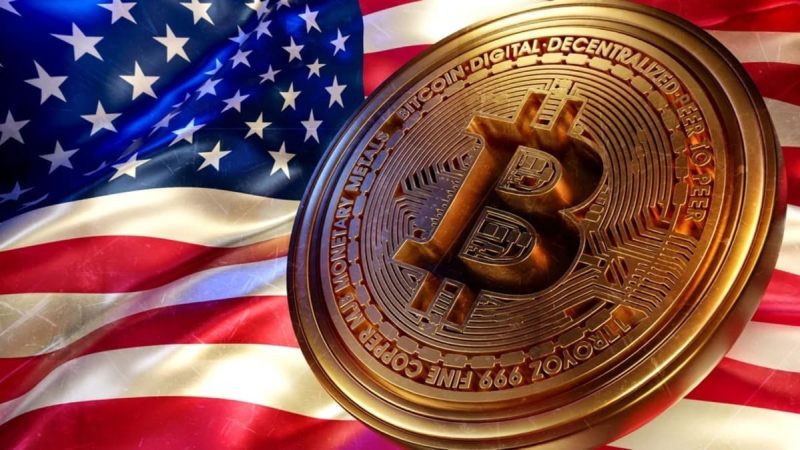
Speculation that the US government could step in to buy bitcoin if prices fall has unsettled crypto markets, but officials and existing policy make clear that no such mechanism currently exists. Recent rumors gained traction after comments by CNBC host Jim Cramer suggested the White House might begin filling a federal bitcoin reserve if prices dropped to around $60,000. In reality, the structure needed to carry out such purchases has not been created, and there is no indication that the government is preparing to act as a buyer of last resort.
President Donald Trump signed an executive order directing his administration to establish a strategic reserve to hold bitcoin. However, that order did not create the reserve itself, nor did it authorize spending taxpayer funds to acquire digital assets. Instead, it instructed federal agencies to halt the sale of seized bitcoin and other cryptocurrencies, effectively setting aside any assets obtained through civil or criminal cases for potential future use.
According to administration officials, the process stalled because congressional authorization is required to formally establish a national bitcoin reserve. Audits of existing federal crypto holdings have been underway for months, but lawmakers have not yet passed legislation to define how such a reserve would operate or expand. Crypto related bills currently moving through Congress focus on market structure and stablecoin regulation rather than reserve creation, making progress on this front uncertain.
Treasury Secretary Scott Bessent has been explicit in pushing back against expectations of federal crypto purchases. During recent congressional hearings, he said he lacks the authority to bail out bitcoin or instruct banks to buy digital assets. Administration officials have also emphasized that there are no plans to deploy public funds to support crypto prices, despite ongoing market volatility.
Cramer’s on air comment that he had heard the government might buy bitcoin at $60,000 drew attention because prices have recently traded close to that level. Bitcoin dipped into the low $60,000 range before rebounding toward $70,000, and the idea of a federal backstop fueled speculation that a price floor might exist. However, there is no evidence to support that claim, and no operational framework that would allow such intervention even if policymakers wanted it.
The executive order establishing the concept of a reserve deliberately avoided direct purchases, a decision that disappointed parts of the crypto industry at the time. Instead, it focused on retaining seized assets, meaning any initial reserve would depend entirely on what the government already holds. Estimates from blockchain analytics firms suggest US linked wallets may contain bitcoin worth tens of billions of dollars, but officials have not confirmed precise figures.
Some lawmakers, including Cynthia Lummis, have proposed creative ways for the government to accumulate bitcoin without taxpayer funding. Those proposals have yet to advance, and Lummis’ own efforts face an uncertain future as she prepares to retire from the Senate.
For now, federal action on bitcoin appears slow and constrained by law. While rumors can move markets in the short term, the reality is that the US bitcoin reserve remains an idea on paper, not a functioning policy tool. Any meaningful shift would require legislation, political consensus, and time, making sudden government buying highly unlikely in the near future.